A single, credible signal has come through loud and clear from the latest Ipsos survey, and it deserves our closest attention. The findings reveal that, while the state has made significant strides, the average Pakistani is still not feeling the impact of those gains in daily life.
This is not a criticism of policy direction – far from it. It is simply the country’s emotional temperature, a reminder that progress must be experienced, not just achieved. And it arrives at a moment when our leadership has, in fact, delivered some of the strongest macro-level stabilisation in recent years.
Look at where Pakistan stands today.
In May, we taught India a lesson with a comprehensive victory in the air battle with strategic maturity. We emerged with our credibility dramatically enhanced across all fronts, resetting our diplomatic status. We strengthened our engagement with the US and entered a period of cooperation that few would have predicted a year earlier, including one of the most favourable tariff positions in recent history and a public American commitment to invest in Pakistan’s minerals and mining potential.
Instead of being pushed to the margins, Pakistan is now fully back in the confidence of the IMF and World Bank.
The anxiety around sovereign default has vanished. A major Pak-Saudi defence pact has been secured. Energy, connectivity, and trade conversations with Central Asian states are intensifying in ways that could not have been imagined a few years ago. Inflation has come down sharply. The rupee has stabilised. And, by our own political standards, the leadership environment is more settled and more predictable than it has been in some time.
Clearly, this chapter marks the start of a turnaround and would be celebrated widely across the population. Yet the Ipsos survey shows that only 31 per cent of Pakistanis believe the country is on the right track, just 18 per cent consider the economy strong, and an overwhelming 95 per cent remain reluctant to make major purchases. This disconnect does not mean people are rejecting the progress. It means they are not feeling it yet.
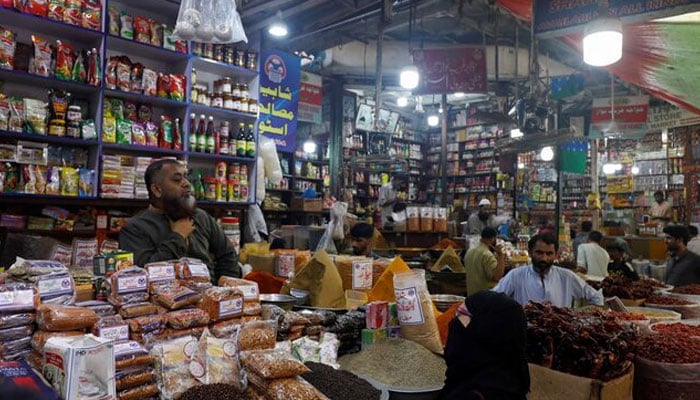
The explanation is straightforward: Almost every success of the past year sits at the macro level. Diplomatic breakthroughs, sovereign financing, strategic partnerships, long-horizon resource development, these are essential foundations, but they do not immediately translate into kitchen inflation relief, lower electricity bills, improved job security or rising household income. The citizen’s world is micro, and within it, pressure remains high. Prices remain elevated even as inflation has declined. Salaries have not kept up with costs. Stability in the rupee has not restored purchasing power.
So while the state rightly says, ‘We are truly improving, turnaround has started’, the citizen understandably replies, ‘I will believe it when I feel it’.
Crucially, this is not a crisis of trust but a challenge of translation. The reforms being implemented are real, but their benefits take time. Mining revenues, sectoral reforms and global partnerships are not supposed to show up in the next electricity bill and the public knows this. What they seek is clarity: what this path means for them, when relief will realistically arrive, and how the gains will translate into everyday life.
This is where Pakistan has an opportunity. The leadership has navigated difficult terrain with sobriety and discipline, and now the next step is to bring people along with the same calm conviction. Not with slogans or technical briefings, but with a clear, honest, people-centred narrative that explains the journey, acknowledges the pressures, shows the milestones and paints a vision of shared benefit.
Communication, after all, is not a parallel task; it is a component of leadership. And this leadership has results to speak for itself.
Amid the challenges, the Ipsos survey offers one powerful ray of hope: young Pakistanis remain notably optimistic about their personal futures. This matters. It means the country’s largest demographic has not given up. Hope is alive. The social contract is under strain, but intact. The people are saying: ‘We are ready to tell us where we are going’.
That window is precious, and it is open right now.
Pakistan is truly turning a corner and the evidence strongly suggests it is then this is the moment to connect the macro with the micro, the strategy with the street, the policy with the household.
It is time to speak plainly, consistently and with humility about the road ahead, the time it will take, the real pain, and the benefits to come. A nation that understands its journey becomes a nation that owns its progress.
And so my view is simple: Pakistan has done the hard work of stabilising itself; now we must do the equally important job of telling the people where we are headed, how long it will take, and why their patience will be rewarded for only then will they not just believe the turnaround, but feel it and become its most powerful ambassadors which would provide extraordinary impetus to strengthen the turnaround and go for a take-off. The time is now.
The writer is a former global corporate executive (Unilever, PepsiCo, Yum! Brands), a mental health advocate and a founding board member of Taskeen, a pioneering organisation focused on emotional well-being in Pakistan.