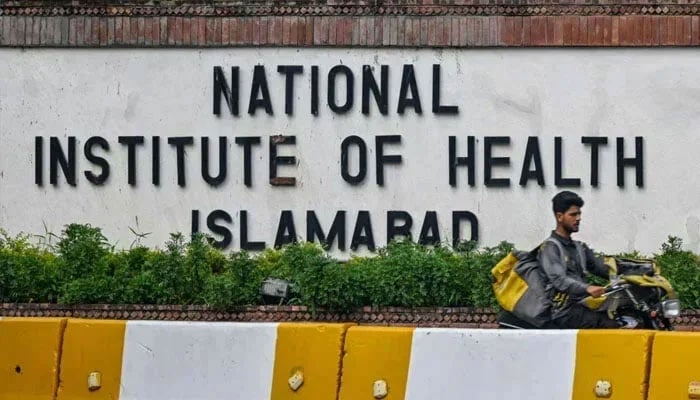
ISLAMABAD: Pakistan’s main public health institution, the National Institute of Health (NIH) Islamabad, has been operating without a legally-required Board of Governors (BoG) since March 2024.
Officials say absence of BoG has quietly weakened oversight, slowed decision making and raised concerns about financial and health security risks
The Board of Governors, created under the NIH (Reorganisation) Act 2021, is meant to provide strategic direction and oversight to the institute. It is responsible for approving budgets, scrutinising expenditures, overseeing disease surveillance and research, and ensuring proper leadership of NIH centres.
However, the board has remained non-functional for nearly one and a half years.
Senior officials told this correspondent that one of the most serious consequences has been the lack of financial scrutiny.
In the absence of the board, expenditures made during the fiscal year 2023–24 could not be formally reviewed or approved, leaving legal gaps in the institute’s financial record.
They said the budget processes for 2024–25 and 2025–26 were also carried out without the mandatory endorsement of the Board of Governors, in clear violation of the Act.
Several centres envisaged under the law are operating without designated executive directors, affecting their ability to plan and implement major public health initiatives.
Particular concern has been expressed over the Centre for Disease Control (CDC) which plays a critical role in monitoring disease trends, coordinating interprovincial responses to outbreaks and ensuring Pakistan’s compliance with the International Health Regulations.
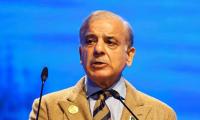
A summary for the appointment of board members, prepared after a months long search process led by Planning Minister Ahsan Iqbal under the supervision of Prime Minister Shehbaz Sharif, was withdrawn by the health ministry earlier this year.
The process had involved nominations from medical universities and institutions across the country, with shortlisted candidates cleared by intelligence agencies.
Repeated attempts were made to seek the health ministry’s position on the issue but officials remained silent till the filing of this report.