ISLAMABAD: The Senate Standing Committee on Climate Change examined institutional lapses that have allowed untreated sewage to contaminate Rawal Dam — the primary water source for Islamabad and Rawalpindi.
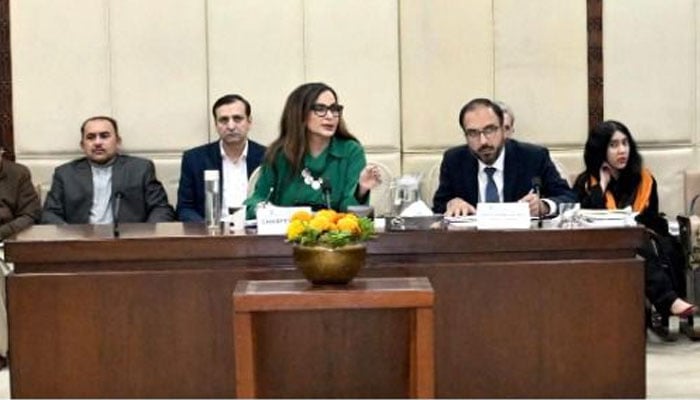
Chairperson of the Senate Standing Committee on Climate Change, Senator Sherry Rehman presided over a wide-ranging review of critical environmental failures, including non-operational sewage treatment plants connected to Rawal Dam, escalating air pollution across provinces, and alarming deforestation in Khyber Pakhtunkhwa (KPK) and Chitral. She warned that these interconnected crises pose a direct threat to public health, climate resilience, and ecological security. She underscored that continued delays and fragmented responses would be subjected to strict parliamentary scrutiny.
It was revealed during the meeting that tendering for three sewage treatment plants for Rawal Dam has only just begun, despite repeated discussions over the last two years. The Capital Development Authority (CDA) never formally requested funds from the Planning Division, and there is no parallel or interim arrangement to prevent untreated sewage from entering Rawal Dam.
The senator expressed deep concern, stating: “Rawal Dam is the primary water source for Islamabad and Rawalpindi, yet it is turning into a cesspool of bacteria, posing risks of waterborne diseases including polio and other infections, with 9 million gallons of sewage disposed in the dam on a daily basis. This is the wealthiest civic authority in the country, yet it is failing to protect the drinking water of citizens. This is not negligence anymore — it is a public health emergency.” She announced that a special meeting will be convened with the Ministry of Climate Change & Environmental Coordination (MoCC&EC), the CDA Chairman, and the Planning Division. The CDA Chairman was directed to appear at the next committee meeting. Accountability will be determined for delays in tendering and failure to seek funds.
The committee reviewed presentations from the Sindh Environmental Protection Agency (SEPA) and KPK EPA, with industrial zones showing significant pollution spikes. Vehicular emissions contribute up to 58pc in KPK and 23pc in Sindh, alongside severe construction and road dust, particularly from mega projects. Senator Rehman noted: “Pollution is Pakistan’s biggest silent killer, yet mortality and morbidity data is missing from provincial submissions. The same air quality parameters must apply across all districts without exception.” She also questioned the credibility of pollution data where ground-based monitors are absent and criticised flawed averaging methods that dilute daytime pollution levels.
The Sindh EPA secretary reported that there are 558 brick kilns in Sindh, with 189 Environmental Protection Orders issued and prosecutions and penalties ongoing. Methane emissions were highlighted as being 23 times more potent than carbon dioxide. Senator Rehman urged provinces to: “Link methane reduction projects to carbon markets, bring bankable projects into the compliance carbon market, and ensure industries comply with Carbon Border Adjustment Mechanisms (CBAM).”
The senator expressed grave concern over rapid loss of forest cover in Chitral and KPK, pointing to exploitation of the wood-lot policy and rampant illegal logging by the timber mafia — activities continuing for decades. She stressed: “Forests in KPK are the ‘jewel in the crown’ and must be protected. Poor communities must be provided alternatives such as solar energy to reduce dependence on forests. The next committee agenda will focus exclusively on deforestation.”
She also directed the National Disaster Management Authority (NDMA), Pakistan Meteorological Department (PMD), Flood Commission, and relevant ministries to meet urgently for the development of a coordinated early warning system to replace fragmented responses. Concluding the meeting, Senator Sherry Rehman stated that Pakistan cannot build resilience without clean drinking water, clean air, and protected forests.