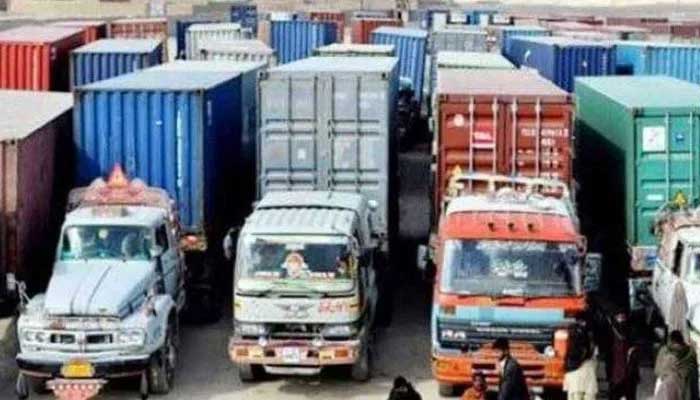
ISLAMABAD: Multinational and local companies across Pakistan have expressed grave concern over the escalating transporters protest, warning that a prolonged strike will cripple industrial production, supply chains and exports.The strike has also left pharmacies and patients scrambling for essential medicines across the country.
The Overseas Investors Chamber of Commerce and Industry (OICCI), representing over 200 foreign investors, wrote to Sindh Chief Minister Syed Murad Ali Shah. They reported that trucks from Punjab are unable to enter Karachi, port operations are severely constrained and several major manufacturing facilities face imminent shutdown. The chamber has sought government intervention to safeguard revenue.
Separately, the Pakistan Association of Large Steel Producers (PALSP) stated that the protests began in response to the enforcement of the Motor Vehicle Ordinance 2025 on December 8, which imposed sharply increased fines, strict penalties, vehicle impoundments and FIRs against drivers.
Transport unions argue the ordinance was implemented without adequate consultation, making operations financially unviable. Although limited negotiations eased tensions in parts of Punjab on December 13, major bodies like the All Pakistan Transport Federation have now announced a nationwide wheel-jam strike on December 19, citing dissatisfaction with government assurances. They warn that unless contentious clauses are withdrawn or revised, transport will remain suspended nationwide. The PALSP cautions that industrial fallout is already severe, with factories facing raw material shortages and finished goods piling up. Several units have shut down lines or are operating minimally.
Export-oriented industries are particularly vulnerable, facing port delays, stranded containers, rising costs and risks of order cancellations. Prolonged disruption could lead to layoffs, wage losses and long-term damage to industrial credibility. The steel producers urged federal and provincial governments to engage immediately with transport unions, review the ordinance, and adopt a balanced approach to road safety without paralysing industry. Failure to act, it warned, will deepen economic losses and burden workers, businesses and consumers nationwide.
Meanwhile, the 10 day nationwide strike by goods transporters has left pharmacies across Pakistan scrambling for essential medicines. Sixty two year old Abdul Ghaffar of Quetta was told his diabetes and blood pressure tablets were unavailable because shipments from Karachi had not arrived. “I cannot stop these tablets even for a day,” he said.
Stories like Abdul Ghaffar are beginning to surface across Pakistan as a nationwide strike by goods transporters, raising fears of widening public health crisis.
Pharmaceutical manufacturers and drug retailers say medicines produced in major industrial hubs, such as Karachi and Lahore, are not reaching pharmacies, medical stores and healthcare facilities because freight vehicles remain off the roads. They report that factories are slowing or halting production as warehouses fill and raw material deliveries stall. As a result, shortages are being reported in several parts of the country, with Balochistan emerging as worst hit province. Exports to South Asian and African markets have also been halted by port delays, threatening Pakistan’s medicine export commitments.
Former PPMA chairman Tauqeer ul Haq warned the disruption is turning into a humanitarian crisis, especially for the elderly, children and people in remote areas where stocks are already low. He noted that medicines for chronic illnesses – diabetes, hypertension, cardiovascular disease and mental health conditions – are in short supply, and that temperature sensitive products and vaccines are becoming increasingly difficult to manage.
Similar concerns were voiced by Abdul Samad Budhani, chairman of Pakistan Chemists and Druggists Association, who represents retailers at the frontline of crisis. He said transporters were not carrying medicines to different cities and towns, and pharmacists were now receiving daily complaints from patients unable to find prescribed drugs.
Budhani said medicines were available in warehouses of manufacturers and importers, but the ongoing strike meant they could not be transported. He urged both federal and provincial governments to take stock of the situation and ensure that essential medicines were treated as a priority.
Transporters cite rising fuel costs, new taxes and checkpoint harassment, demanding relief before they resume service. The prime minister has set up a committee, but industry leaders urge urgent negotiations to restore the supply chain and ensure medicines are treated as a priority.
In Balochistan, where about 80 pc of medicines are sourced from Karachi, the impact has been stark. Traders report severe shortages of painkillers and chronic disease drugs, forcing patients to travel longer distances or switch medications. Continued disruption, they warn, could have serious health consequences for the most vulnerable.