KARACHI: Finance Minister Muhammad Aurangzeb said on Thursday that the US is re-establishing itself as a major economic partner, pointing to the $7 billion financial close of the Reko Diq copper project backed by the International Finance Corporation and the US EXIM Bank.
Speaking at a panel discussion in Riyadh, Aurangzeb said the relationship with Washington has strengthened across minerals, mining and advanced technologies, including AI, blockchain and digital infrastructure. The session, titled ‘Climate Adaptation and Resilience: How do we secure the capital we need?’ was held at the Global Development Finance Conference -- Momentum 2025 and attended by senior finance officials from Jordan, Tajikistan and the West African Development Bank.
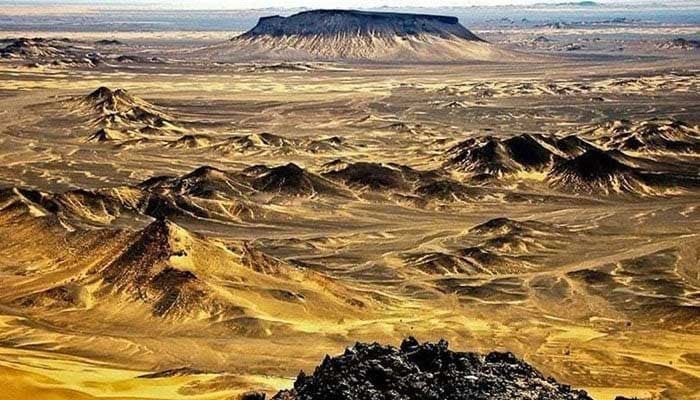
Aurangzeb described Reko Diq as a “transformative development” for Pakistan’s economic future. He said the mine is expected to generate export revenues equivalent to 10 per cent of the country’s current export base in its first commercial year in 2028, positioning it as a major source of growth and foreign exchange. Pakistan anticipates strong investor interest from the US, China, the GCC and others as the project expands, he added.
Asked about geopolitical competition between major powers, Aurangzeb said Pakistan maintains an “and-and” approach. He noted China remains a longstanding partner, particularly through the China-Pakistan Economic Corridor, whose second phase now aims to commercialise infrastructure through business-to-business cooperation.
Aurangzeb also highlighted the mounting economic impact of climate change. Citing the 2022 floods that caused $30 billion in losses and renewed flooding this year, he said Pakistan expects to forfeit around half a percentage point of GDP growth, adding further pressure on the economy. While macroeconomic stability has allowed Pakistan to build some fiscal and external buffers for immediate relief efforts, he said rehabilitation and reconstruction require substantial external financing.
He pointed to the rollout of an AI-enabled early warning system at Pakistan’s National Emergency Centre, which provides month-by-month climate forecasts, but said domestic resources alone cannot meet the scale of adaptation needs. Aurangzeb emphasised the importance of multilateral partnerships and private capital, noting Pakistan’s 10-year Country Partnership Framework with the World Bank Group, which allocates about $20 billion, a third of it for climate resilience and decarbonisation.
The minister criticised global climate finance channels such as the Green Climate Fund and the Loss and Damage Fund for slow and bureaucratic processes. In contrast, he noted progress through other avenues, including the recent receipt of a $200 million first tranche from the IMF’s Climate Resilience Fund.
Aurangzeb said Pakistan will continue directing domestic fiscal resources toward climate adaptation, but external financing from development partners and international markets remains essential.