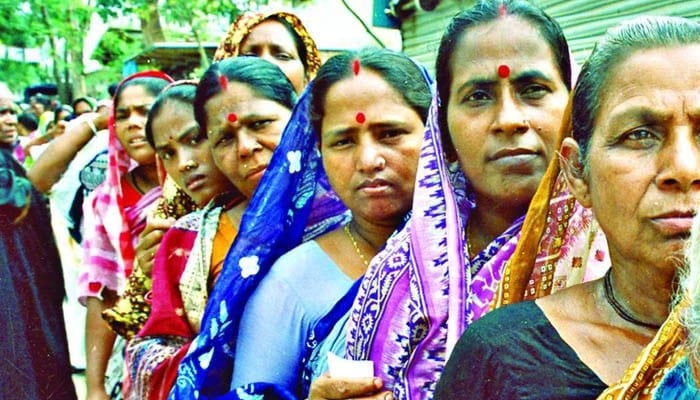
Parliament’s passage of the National Commission for Minorities Rights Bill, 2025, is an important – and long overdue – step towards safeguarding the rights of Pakistan’s long-neglected and much vulnerable non-Muslim citizens. The bill establishes a statutory commission with the mandate to protect minority communities from discrimination, monitor the implementation of their rights, review relevant policies and independently investigate violations. With representation promised from all provinces and all minority groups, the commission is meant to promote inclusivity, pluralism and meaningful oversight. In many ways, this legislation finally moves Pakistan closer to fulfilling both its constitutional guarantees and its international commitments. Yet, even as the bill was being debated, the behaviour of our lawmakers laid bare the contradictions that continue to plague our politics. In a session ostensibly devoted to protecting religious minorities, both treasury and opposition benches found rare unity – not to strengthen the bill, but to target the already persecuted Ahmadiyya community. One wonders how they managed to make it all about this – but they did.
Not to be outdone, we then had Maulana Fazlur Rehman criticising the ban on child marriage, further highlighting the regressive mindset that still permeates parts of our political elite. When lawmakers openly defend child marriage and mobilise against communities already facing discrimination, one is reminded that progressive legislation survives in Pakistan not because of these politicians, but despite them. Even so, the minorities bill itself remains a welcome development. A 2014 Supreme Court judgment had directed the state to constitute a dedicated commission to safeguard the rights of non-Muslims and this law finally provides such a platform, enabling religious minorities to bring their grievances to the government through an empowered statutory body. Given the chronic threats minorities face – like rising intolerance, extremist violence, social discrimination and the weaponisation of blasphemy allegations – the bill is rightly being seen as landmark legislation.
But a law on paper is only as strong as its implementation. And Pakistan’s record on this front is far from inspiring. Every year, politicians make lofty speeches about equality and protection, yet the reality on the ground remains starkly different. Blasphemy accusations continue to be used to settle personal scores, both against Muslims and non-Muslims. Hate literature circulates freely. Extremist groups openly harass minority communities. Incidents like Gojra, Joseph Colony and Jaranwala have become grim reminders of how quickly mobs can mobilise when hate is allowed to fester unchecked. For the commission to be effective, the state must invest in training law-enforcement agencies on how to handle false allegations, protect vulnerable groups and intervene decisively when extremist elements threaten minorities. Hatemongering must be pushed out of the national narrative. Pakistan cannot claim to stand for the rights of Muslims abroad while failing to ensure the safety and dignity of its own non-Muslim citizens. The shrinking numbers of minorities in Pakistan reflect decades of fear, marginalisation and neglect. Terrorising religious minorities through threats and false accusations is a form of terrorism – and must be treated as such. If Pakistan wishes to credibly criticise the Modi government for its treatment of Indian Muslims or any other state for how it treats its marginalised, it must first demonstrate at home what genuine protection of minorities looks like. This bill offers a path forward. Let’s hope we manage to make this stick.