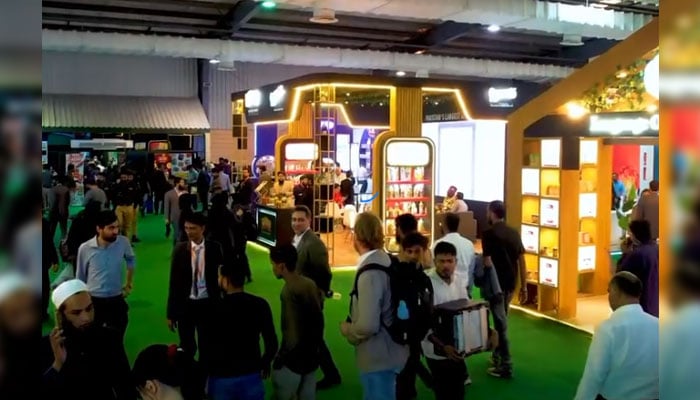
LAHORE: The FoodAg 2025 Expo in Karachi offered probationary officers of the 53rd Common Training Programme (CTP) a detailed look at Pakistan’s emerging strength in value-added agriculture and food exports. The delegation from the Pakistan Civil Services Academy, Lahore, visited the event as part of their training tour, led by Director CTP Syed Shabbir Akbar Zaidi and hosted by Sir Qadeer Bhutto of the 37th CTP.
Mr Bhutto briefed the officers on the scale and purpose of the expo, describing it as a strategic platform aimed at promoting Pakistan-made products, connecting exporters with global buyers and encouraging innovation in an agriculture sector facing shrinking cultivable land and rising competition. According to the organisers, delegates from more than 80 countries attended, with some 850 participants from at home and abroad. Business transactions of nearly Rs1 billion were reported on the opening day alone, reflecting the commercial weight of the event.
A key feature shared with the probationers was the requirement that all showcased products be made in Pakistan. The condition was designed to promote self-reliance, local value creation and national branding. Organisers stressed that with urbanisation and climate pressures reducing farmland, Pakistan must shift from exporting raw produce to marketing finished goods if it hopes to escape low-margin exports and frequent price shocks. For the young civil servants, the visit framed this as both a policy challenge and a governance opportunity to help build an ecosystem where farmers, processors and exporters can upgrade products and meet global standards.
The delegation also received a detailed briefing on the EU-supported GRASP programme, which has assisted around 70 entrepreneurs — including about 30 from Balochistan — through training and advisory support to prepare them for international markets. At GRASP-linked stalls, the officers viewed products made from banana fibre, showcasing how agricultural waste can be converted into sustainable items under circular-economy approaches.
At the Chenab Mango Farm stall, probationers sampled dried mangoes, an example of how processing can reduce post-harvest losses and allow Pakistani fruits to reach distant markets. Their visit to Hub Salts highlighted how simple minerals such as pink salt can be transformed into premium lifestyle items through branding and packaging for both local and export markets.
Organisers told the officers that each stall cost exhibitors around Rs300,000 for three days, while construction expenses for a single stall were nearly Rs1 million. The pricing structure, they added, was meant to ensure only serious businesses participated — those ready to invest, meet buyers and pursue long-term growth.
The delegation also toured the Cuisine Pavilion, where chefs from about 80 countries were competing. Using Pakistani and regional ingredients, the chefs demonstrated how local produce can become part of global culinary exchange, offering a lesson in how food, trade, culture and tourism reinforce one another.
The visit provided the 53rd CTP officers with a broad picture of Pakistan’s agri-food landscape — from farm innovation and product development to branding, exports and international networking. Guided by Mr Zaidi and hosted by Mr Bhutto, the probationers observed how policy, entrepreneurship and markets intersect, and how future decisions on agriculture, trade and regulation will shape the sector’s direction. The overall message underscored the need for innovation, ethical practice and effective governance if Pakistan is to unlock its full potential in value-added agriculture and food exports.