The United Arab Emirates has emerged as one of the world’s most dynamic tourism destinations—and the numbers prove it. In 2024, Dubai welcomed 18.72 million international overnight visitors, a 9% year-on-year increase, while in just the first half of 2025, it attracted 9.88 million visitors, up 6% from 2024. Hotel revenues in 2025 have crossed AED 26 billion, reflecting strong recovery and continued expansion of the tourism economy. At the national level, tourism contributed around AED 257.3 billion to GDP in 2024, around 13% of the UAE’s economy, supported by increasing international visitor spending and a booming hotel sector.
From cultural wonders to futuristic architecture and breathtaking natural landscapes, the UAE promises unique experiences for every type of traveler. Here are some of the most popular places to visit across the Emirates:
This architectural marvel stands as one of the world’s largest mosques and a masterpiece of Islamic design. Featuring 82 domes, over 1,000 columns, and the world’s largest hand-woven carpet, the mosque represents both spiritual beauty and modern craftsmanship. It attracts millions of visitors each year who come to admire its white marble structure and peaceful ambiance.
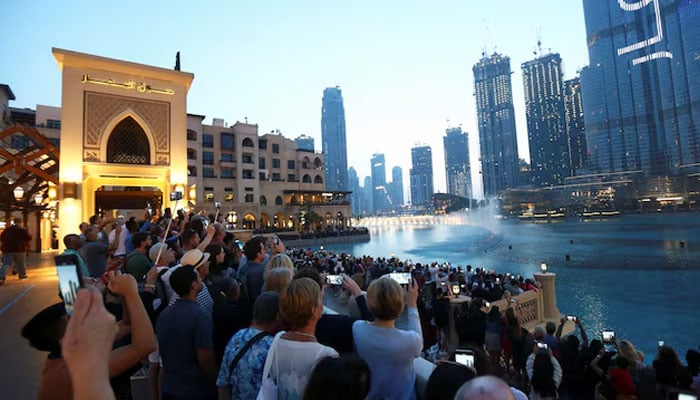
No visit to the UAE is complete without witnessing the Burj Khalifa, the tallest building on Earth. The observation decks offer sweeping views of Dubai’s glittering skyline. The area is also home to Dubai Mall and the famous Dubai Fountain, making it the hub of entertainment, dining, and shopping.
Beyond the skyscrapers lies the golden expanse of the desert. Visitors can experience dune-bashing, camel riding, traditional Bedouin camps, and desert sunsets unlike anywhere else. The safari reflects the cultural roots that balance Dubai’s ultra-modern identity.
The iconic Palm Jumeirah - an engineering wonder shaped like a palm tree—hosts luxury hotels, beach clubs, and the famous Atlantis resort. Jumeirah Beach, with its soft white sands and water-sports options, remains a top choice for families and adventure seekers.
Dubai’s fast-growing cultural scene is reflected in the Dubai Opera, Al Fahidi Historical Quarter, and museums that preserve the Emirati heritage. Visitors can enjoy world-class performances and explore traditional souks, old wind-tower houses, and historic markets.
Yas Island is the ultimate family entertainment destination featuring Ferrari World, Yas Waterworld, and Warner Bros. World. It’s also home to Yas Marina Circuit, which hosts Formula 1 races and large-scale events throughout the year.
Recognised as a centre of arts, education, and heritage, Sharjah offers Sharjah Art Museum, Heritage Area, and beautifully restored souk districts. It is ideal for travelers seeking quieter, culturally rich experiences.
For mountains, beaches, and adventure tourism, Fujairah and Ras Al Khaimah are growing hotspots. Travelers visit for hiking, snorkeling, dhow cruises, and historic sites-a refreshing contrast to city life.
The Abu Dhabi corniche offers a relaxing waterfront experience with parks and beaches, while the Louvre Abu Dhabi stands as an architectural and cultural masterpiece, merging global art history with Gulf heritage.
The UAE aims to take tourism to the next level through major infrastructure investments, global marketing, and sustainable tourism strategies. Abu Dhabi’s Tourism Strategy 2030 targets increasing total annual visitors from about 24 million to 39.3 million and raising tourism’s economic contribution from around AED 49 billion to AED 90 billion annually by 2030. The plan is expected to generate 178,000 new tourism jobs, while expanding accommodation options-including hotels and holiday homes-to attract diverse traveler segments.
Additionally, the UAE continues to expand its hotel capacity, which already exceeds 216,000 hotel rooms, with at least 16 new hotels added in 2024 alone and billions invested into tourism infrastructure.