Rawalpindi:Pakistan’s cataract burden continues to rise despite an expansion in treatment facilities, driven by the fast-growing diabetes epidemic, an ageing population, malnutrition, ultraviolet exposure and late diagnosis.
Professor Dr. Sabihuddin Ahmed, Head of the Cataract Department at Al Shifa Trust Eye Hospital, said these pressures are outpacing the system’s ability to deliver timely care, especially in areas with limited specialist coverage.
He said closing the treatment gap requires a shift towards decentralized services, including mandatory screening for diabetic patients and integrating basic eye exams into primary healthcare networks.
He added that doctors under the Al Shifa network carry out about 8500 free cataract surgeries every month across six hospitals. This expansion is donor-supported but remains insufficient as diabetes driven cataract rises.
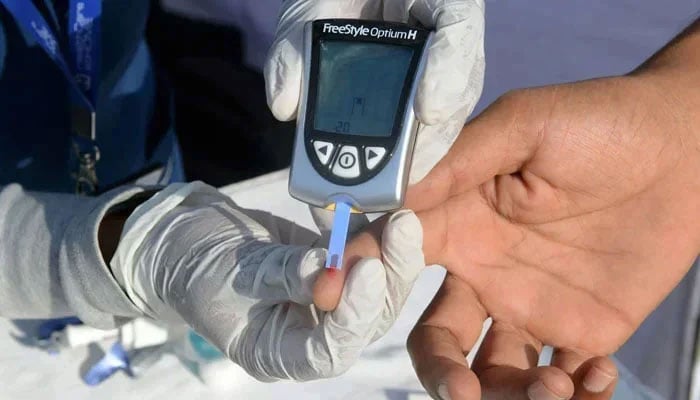
Pakistan ranks first globally in diabetes prevalence with 34.5 million adults suffering from the disease, which could reach 70.2 million by 2050. Provincial prevalence stands at 16 per cent in Punjab, 15 per cent in Balochistan, 14 per cent in Sindh, and 11 per cent in Khyber Pakhtunkhwa. About 230000 Pakistanis die annually due to diabetes related complications.
Talking to the media, Professor Ahmed said the cataract surgical rate is now more than double the 2002 level, yet millions remain untreated. There are about 570000 adults blind from cataract and 3.56 million with visual issues. Meeting needs by 2030 will require at least 1.84 million surgeries annually.
He said economic losses are widening because untreated cataract reduces labour participation, lowers household productivity, and increases dependency among older earners. Pakistan has only 15 ophthalmologists per million population, far fewer than in developed countries. Many districts have none, and most specialists are urban-based, limiting rural access.
“Women face mobility barriers, fewer financial resources, and delayed hospital visits, resulting in higher untreated cataracts. Private surgery costs remain a major barrier, while public hospitals struggle with outdated equipment and long queues” he added.
He said provincial health systems should adopt routine diabetes screening, embed eye care in basic health units, and expand training to prevent avoidable blindness. WHO estimates show global productivity losses of 411 billion dollars from vision impairment.