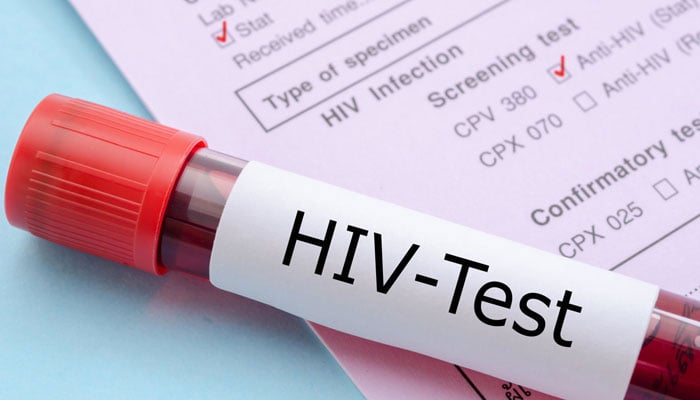
On December 1, the world observes AIDS Day to raise awareness about the lethal disease. This time around, there are alarm bells everywhere. UNAIDS this week has exposed a dangerous truth: the world is not losing the fight against HIV because of scientific limits, but political choices. Funding cuts, all due to the abrupt and near-boastful withdrawal of the US and followed by other major donors, have pushed the global HIV response down the drain. In a report published this week, UNAIDS chief Winnie Byanyima points to the sudden closure of clinics and salary cuts/delays for frontline health workers as the main reason for this bleak picture. It is rare for such an agency to call the situation the “most significant setback in decades”. There has been some progress, though. Around 1.3 million new HIV infections recorded in 2024 represent a dramatic drop from 2010 levels (around 40 per cent). But even that figure, per the report, remains more than three times higher than needed to reach the UN’s goal of ending AIDS as a public health threat by 2030. The HIV response is one of the most cost-effective global health investments ever made. Treatment keeps individuals healthy and productive. There was a time when the diagnosis itself was a death sentence. Now, prevention programmes have prolonged people’s lives and averted future costs many times over.
Negative connotations have impacted the progress. Reports identifying AIDS cases used to be an eye-opener. Now, they are used for sensationalism and speculation. While this happens globally, Pakistan cannot escape the brunt of this lack of political will and moral responsibility. According to news reports, Pakistan is facing its highest number of newly detected HIV cases in a single year, with more than 10,000 people confirmed positive in the first nine months of 2025. Health authorities warn that the total could exceed 14,000 by year’s end, surpassing last year’s 13,001 cases. One of the major causes of HIV infections here is the reuse of needles and other single-use medical equipment at hospitals and other healthcare units. This irresponsibility has also cost our children’s future.
While it is true that the fight against HIV has been pushed back across the world, Pakistan cannot use this as a reason to justify its leniency. Our healthcare authorities can fight HIV/AIDS through a combination of strong prevention, treatment and public-education measures. Expanding access to free HIV testing and ensuring universal availability of antiretroviral therapy are essential to reducing transmission and keeping people healthy. Regular inspections of health units are also needed to ensure that people who come to hospitals for treatment are not infected with a lethal virus. Strengthening health systems and committing to stable funding ensure that these programmes remain reliable and effective over time.