The Afghan man accused of shooting two members of the US military in downtown Washington, DC last Wednesday once worked alongside the CIA in Afghanistan and has been identified as 29-year-old Rahmanullah Lakanwal, who had entered the US in 2021 under a resettlement programme. US President Donald Trump has described the attack as an “act of terror” and said that he would take steps to remove any foreigner “from any country who does not belong here”. In the wake of the shooting, the US has also suspended all immigration requests from Afghans. Needless to say, this attack and the Afghan Taliban regime’s policies will create a lot of trouble for Afghans living outside Afghanistan and also those who reside in their own country. In a separate incident, three Chinese workers in Tajikistan were killed in an attack launched from Afghanistan near the border. According to the Tajik foreign ministry, a drone and firearm attack hit workers of a Chinese company in the country’s south. Pakistan’s Foreign Office has noted that the attack reportedly involved the use of armed drones, calling it a stark reminder of the “gravity of threat emanating from Afghanistan and the brazenness of those behind it”. Regional experts believe that one of the terrorist networks that have found safe havens in Afghanistan under the Taliban regime is most likely behind this attack.
There is a reason why countries in the region like China, Russia, Iran and Pakistan have come together and issued statements regarding the presence of terrorist networks operating out of Afghanistan. Apart from the TTP and the BLA, there are reports of heavy presence of other groups like ISIL, Al-Qaeda, the Eastern Turkestan Islamic Movement (ETIM) and Jaish-ul-Adl. All said, the policies of the Afghan Taliban are going to make it very difficult for the Afghan people, who are the biggest victims of this regime. With the Taliban in power, the radicalisation that has been taking place under them over the last four years will lead to disastrous results for the region, but especially the people of Afghanistan.
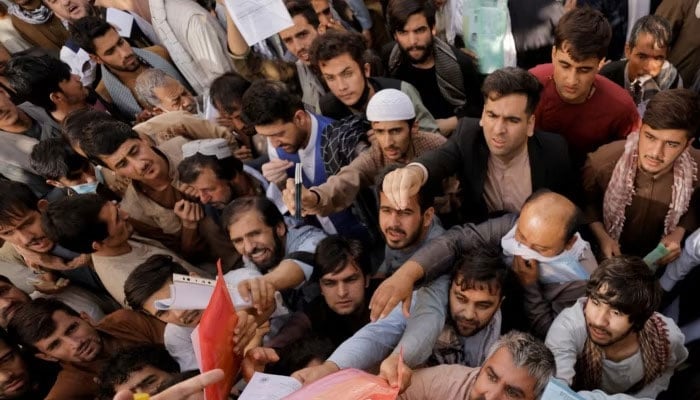
The bitter irony is that Afghans – already battered by decades of war, displacement and economic collapse – now face an even more hostile world. While there is no justification for sending Afghan refugees back from Pakistan and Iran, there is a grim reality that it has been done as a knee-jerk reaction to the Afghan Taliban regime’s refusal to meaningfully engage with neighbouring countries on their legitimate concerns regarding cross-border terrorism. Now, with the attack in the US by an Afghan national, the anti-immigrant sentiment will translate into even harsher policies by the US and other Western countries. The real victim in all of this remains the ordinary Afghan citizen: the refugee in Pakistan unsure of tomorrow, the young girl in Kabul barred from school, the family desperate for livelihood but trapped between an unyielding regime and an increasingly unforgiving world. Unless the Afghan Taliban change their policies – and unless regional and global powers take coordinated, people-centred steps rather than punitive ones – the future of Afghanistan looks bleak.