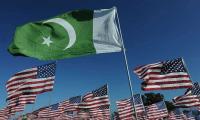
In the bustling streets of Rome, Palestinian flags were conspicuously the only foreign flags to occupy public spaces. They hung from light poles, were glued onto street signs, or flew proudly atop balconies.
No other country, no other conflict, no other cause has permeated public spaces as profoundly as that of Palestine. Though this phenomenon is not entirely new, the ongoing Israeli war and genocide in Gaza has undeniably amplified this solidarity, pushing it fiercely beyond the traditional confines of class, ideology, and political lines.
Yet, no other space in Italy can truly be compared to Naples. Palestinian symbols are everywhere, permeating the city's fabric as if Palestine is the paramount political concern for the entire region's populace.
What was particularly fascinating about the solidarity with Palestinians in this vibrant city was not merely the sheer volume of graffiti, posters, and flags, but the very specific references made to Palestinian martyrs, prisoners, and movements.
Pictures of Walid Daqqa, Shireen Abu Akleh and Khader Adnan, alongside precise demands tailored to what would have been considered, outside of Palestine, largely unfamiliar specifics to a global audience, were prominently displayed.
How did Naples become so intricately attuned to the Palestinian discourse to this extent? This vital question resonates far beyond Italy, applying to numerous cities across the world. Notably, this major shift in the deeper understanding of the Palestinian struggle and the widespread embrace of the Palestinian people is unfolding despite the pervasive and unrelenting media bias in favor of Israel and the persistent intimidation by Western governments of pro-Palestinian activists.
In politics, critical mass is achieved when an idea, initially championed by a minority group, decisively transforms into a mainstream issue. This crucial shift allows it to overcome tokenism and begin to exert real and tangible influence in the public sphere.
In many societies around the world, the Palestinian cause has already attained that critical mass. In others, where government crackdowns still stifle the debate at its very roots, organic growth nevertheless continues, thus promising an inevitable and fundamental change as well.
And this is precisely the haunting fear of numerous Israelis, especially within their political and intellectual classes. Writing in the Israeli newspaper Haaretz on July 25, former Prime Minister Ehud Barak sounded the alarm once more. "The Zionist vision is collapsing," he wrote, adding that Israel is "stuck in a 'war of deception' in Gaza."
Though Israel's pervasive Hasbara machine is relentlessly striving to stave off the surging flood of sympathy with Palestine and the rising tide of rage against Israeli alleged war crimes, for now its focus remains intently fixed on complicating the extermination of Gaza, even at the high price of global condemnation and outrage.
When the war is finally over, however, Israel will undoubtedly exert its utmost efforts, employing numerous creative new ways to once more demonize the Palestinians and elevate itself – its so-called democracy and the "right to defend itself.”
Due to the growing international credibility of the Palestinian voice, Israel is already resorting to using Palestinians who indirectly defend Israel by faulting Gaza and attempting to play the role of the victim for "both sides." This insidious tactic is poised to grow exponentially in the future, as it aims directly at creating profound confusion and turning Palestinians against each other.
Excerpted: ‘Palestinian Solidarity Is Achieving Critical Mass’.
Courtesy: Counterpunch.org