KARACHI: A TV ‘reporter’ circles a tree, crouches beside a hollow in the trunk, and solemnly announces how such a cavity could be used as a “natural hideout” by ‘aatankwadis’ (aka terrorists). But the reporter is just a symptom of a wider, more dangerous trend: Indian TV news’ hyper-nationalist, paranoia-fueled coverage following the recent Pahalgam attacks.
What followed Pahalgam has been a flurry of breathless headlines, speculative reporting, doctored visuals and jingoistic debates, turning tragedy into theatre. Newsrooms across India seem to be in a race to outdo each other in sensationalism.
Take the interview aired by CNN-News18 a few days back featuring Dr Victor Gao, vice president of the Center for China and Globalization and a former adviser to the Chinese leadership. Asked about the Pahalgam attack, Gao urged both India and Pakistan to exercise restraint. But his repeated emphasis on China’s unwavering support for Pakistan — “China and Pakistan are iron-clad, all-weather allies… China will always come to Pakistan’s help” -- seemed to trigger visible discomfort from the host. What followed was a tense exchange in which another panelist, Brahma Chellaney, alleged thousands of Chinese troops were stationed in Gilgit-Baltistan, calling the China-Pakistan partnership a threat from “two nuclear revisionist powers”.Unfazed, Gao responded: “Don’t ever underestimate China’s commitment to defending Pakistan’s sovereignty.” The host pivoted again, this time accusing China of funding Pakistan with arms.
Meanwhile, Republic TV went into overdrive -- as is its ethos. Its panels speculated on a China-Pakistan-Turkey axis, with former diplomat Deepak Vohra alleging that Turkey was eyeing Pakistan’s nuclear arsenal and China was manipulating Pakistan as a regional pawn.
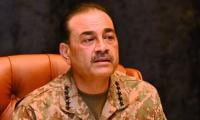
On India Today, the news ticker and an anchor screamed unverified claims about the Azad Kashmir government allegedly urging citizens near the Line of Control to stock up on essentials — for two months. ABP TV added drama to its bulletins by looping footage of Army Chief Gen Asim Munir meeting troops, layered with breathless commentary about Pakistan’s ‘panic’ over Indian Air Force drills along the Ganga Expressway.
India TV took the cake for imaginative reach: the channel claimed Hamas fighters had “reached Pakistan” and aired some footage of masked men on bikes, suggesting it was shot in Bahawalpur. It also showed a panel discussion in which a Pakistani meme was earnestly debated as if it were an official policy position.
Even fiction found a seat at the table. Zee News broadcast images of weapons allegedly recovered from the Pahalgam site — which were later identified as props from a training exercise. In another instance, channels prematurely aired names and confessions of the alleged attackers, only for it to emerge later that the video cited was from an entirely different event. According to a newly published report by the Fake News Watchdog (FNW), ‘The FNW Pahalgam Incident Report 2025’, the Indian media ecosystem has been flooded with misinformation in the days following the attack. The report debunks several viral clips, including one purporting to show Pakistani terrorists entering Pahalgam — footage traced back to a different region and an earlier time. Republic TV and Times Now were specifically called out for naming militant groups without official confirmation and for attributing statements and confessions that never occurred. Indian channels have also floated the idea that India might approach the Financial Action Task Force (FATF) and the IMF to economically punish Pakistan, again without credible sourcing or confirmation from government officials.