In recent weeks, the Indo-Pakistani relationship has once again been thrust into the spotlight following the Pahalgam attack, which many analysts and observers have labeled a false flag operation. This incident appears to follow a troubling pattern, reminiscent of previous strategies employed to malign Pakistan.
The strategic objectives of the Pahalgam attack seem multifaceted, but a primary aim appears to be upholding the declining popularity of the current BJP government in India. With mounting pressure from various segments of Indian society regarding economic issues and handling of internal disputes, the BJP could be seeking to re-establish a narrative through an external enemy.
Another important context for this standoff is the international scrutiny faced by India concerning human rights violations in Indian Illegally Occupied Jammu and Kashmir (IIOJK). The ongoing plight of the Kashmiri people has drawn international condemnation and the Pahalgam incident serves as a distraction from these human rights issues. By alleging Pakistan's involvement in such attacks, India aims to divert global attention and regain the upper hand in the court of public opinion.
The purported objectives of this irrational plot could also include seeking leverage from the Trump administration regarding trade tariffs and creating economic pressure on Pakistan. The geopolitical dynamics have shifted significantly in recent years, and any incident that portrays Pakistan negatively could be used to enhance India's negotiating position concerning US policy initiatives. India's historical efforts to paint itself as a victim in the regional geopolitical arena allow it to seek favourable outcomes in trade discussions while simultaneously strangling Pakistan economically by stopping the flow of rivers.
At this juncture, it is imperative to recognise the role of the Pakistan Armed Forces, specifically the Pakistan Air Force (PAF), which has a longstanding history of defending the motherland. The spirit of dedication among the armed forces runs deep, and the rich legacy of sacrifice and valour inspires future generations. PAF’s operational readiness has been the hallmark of the force, which was exhibited in the 1965 and 1971 wars and once again came to the fore in February 2019, when India launched a unilateral, irrational and aggressive military campaign across the LoC. Responding to this unprovoked aggression, PAF displayed remarkable professionalism and heroism, executing precise strikes, downing IAF fighter jets and effectively safeguarding national sovereignty.
In light of the current standoff, the PAF remains prepared and vigilant, equipped with advanced training and operational strategies. The commitment to excellence, combined with the brave resolve of the personnel, ensures that if war is imposed on Pakistan, the Pakistan Air Force will once again rise to the occasion, defending the homeland with extreme prowess. Further evidence of the PAF’s strong position lies in its recent military acquisitions and indigenisation efforts.
Under the current leadership, there has been a significant push towards modernising the air force, with notable advancements reflected in cutting-edge technologies and indigenised production capabilities. Projects such as the JF-17 Thunder programme, the leaps in space, cyber, artificial intelligence and unmanned aerial systems domains have significantly enhanced Pakistan's air defence capabilities, putting the PAF steps ahead of its adversary in terms of operational effectiveness.
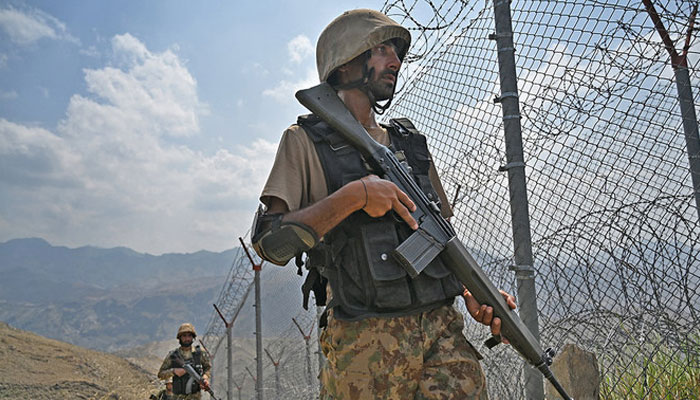
Military leaders and personnel are collectively resolved that any foolish act of aggression will be met with full force. The message is clear: Pakistan can defend itself and counteract any threats to its sovereignty.
Pakistan must continue to strengthen its defence capabilities while also advocating for peace and stability in South Asia. The sacrifices of our brave Shaheens have paved the way for a robust defence posture that will ensure Pakistan remains secure in the face of adversity.
The writer is a freelance contributor.