This week, You! takes a look at some of the little-known festivals of Pakistan…
festivals
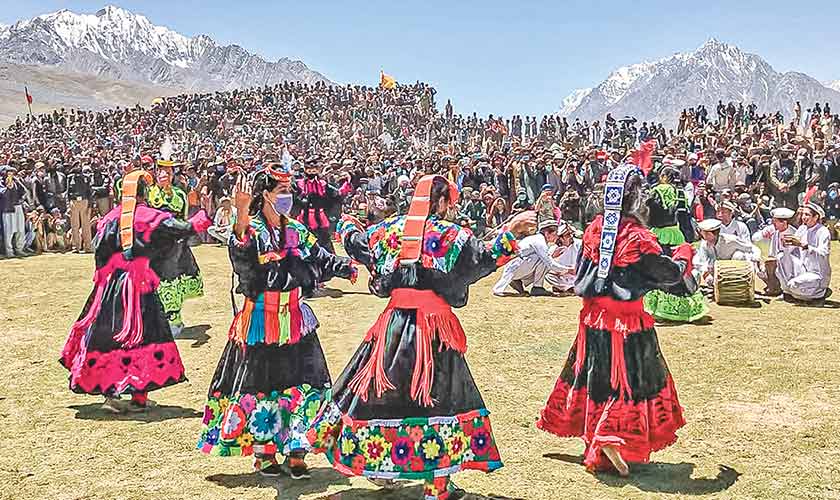
Away from the busy streets of Karachi and Lahore, there is a Pakistan full of hidden colours and longstanding traditions. In its mountains, deserts and valleys, local communities celebrate life with festivals that are rich in history and striking sights. These events are more than just gatherings; they showcase the people’s heritage, stories and creativity. Visiting these smaller, lesser-known festivals lets you see a side of Pakistan that is real and lively.
These local festivals are filled with music, dance, art and traditional clothing, reflecting the history and creativity of each region. Experiencing them allows visitors to connect with Pakistan in a way that feels personal and genuine, seeing traditions that have been kept alive for generations and enjoying moments of colour, sound and celebration that are unforgettable.

Chitral Polo Festival: One region that stands out for its vibrant local culture is the province of Khyber-Pakhtunkhwa. Nestled among mountains and valleys, this province is home to various Pashtun tribes whose traditions have been preserved for generations. In the town of Chitral, the annual Chitral Polo Festival is celebrated with great fanfare. Polo is not just a sport here; it is an intrinsic part of the local culture and the festival is a grand showcase of skill, courage and festivity. The players ride beautifully decorated horses, their costumes reflecting local patterns and colours that have been passed down through generations. Spectators gather from neighbouring valleys to cheer for their favourite teams and the air is filled with excitement, music and the rhythmic beat of traditional drums. Visitors are often mesmerised by the way the polo matches are intertwined with local rituals, folk songs and dances that add a unique cultural depth to the event.

Festival of Ginani: In the Hunza Valley, the festival of Ginani is celebrated every year to mark the beginning of the harvest season. Ginani is a time when the entire valley comes together to express gratitude for the bountiful crops and to pray for continued prosperity. The festival is visually spectacular, with locals dressed in colourful traditional dresses, particularly women who wear intricately embroidered frocks and headscarves adorned with beads and shells. The music played during Ginani is unique to the region, featuring instruments such as the rubab and the dambura, producing a sound that feels both haunting and uplifting. People perform traditional dances that have been passed down through centuries, moving in synchronised steps that are both a display of discipline and communal joy. Visitors often find themselves captivated by the way the celebration blends spirituality with festivity, creating an atmosphere that is both serene and joyous.
Baloch Cultural Day: Balochistan, known for its rugged landscapes and deserts, offers local festivals that provide a striking contrast to the lush northern valleys. The Baloch Cultural Day, celebrated in various towns across the province, is an annual occasion when the Baloch people showcase their traditional music, dance and crafts. The day is marked by colourful parades in which men wear traditional shalwar kameez with embroidered waistcoats while women display beautifully decorated dresses and jewellery made from silver and beads. Folk dances like the Chap, a lively and energetic group dance, are performed in town squares and public spaces, with participants moving in perfect harmony to the rhythmic beats of drums. The festival also features stalls of local handicrafts, including woven rugs, pottery and embroidered textiles, giving visitors a chance to witness centuries-old artisan traditions. What makes this festival visually stunning is the combination of desert landscapes, bright costumes and the dynamic movements of the dancers.
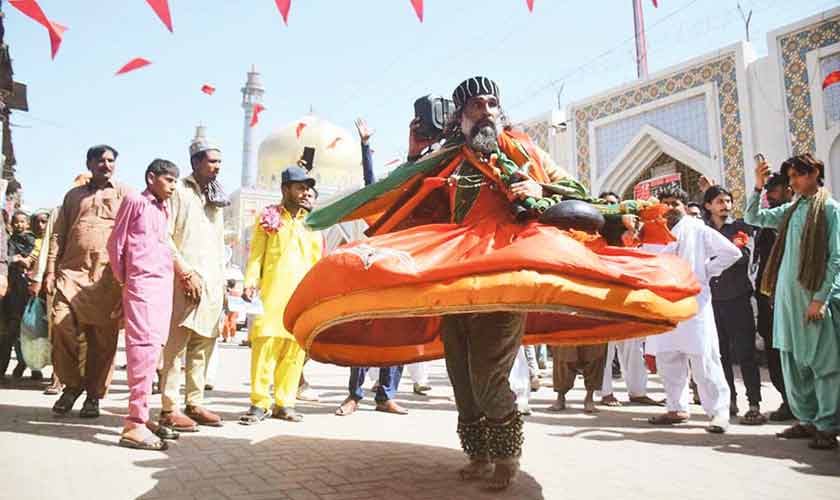
The Urs Festivals: In Multan, often referred to as the ‘City of Saints’, the Urs festivals of local Sufi saints attract both devotees and tourists. People gather at the shrines of the saints, offering flowers and prayers, while qawwali music fills the air. The streets around the shrines are adorned with colourful banners and lights and stalls sell local sweets, handicrafts and souvenirs. For photographers and travellers, the combination of devotion, music and vivid decoration creates a unique visual tapestry.

Ranikot Fort Festival: In Sindh, there are numerous rural festivals that celebrate local culture and agricultural cycles. One such festival is the Ranikot Fort Festival, held in the vicinity of the enormous Ranikot Fort, often called the ‘Great Wall of Sindh’. This festival is not only a celebration of history but also a showcase of traditional Sindhi music and dance. Musicians play the alghoza, a double flute and the dholak. Women wear ajrak and men wear Sindhi caps, creating a stunning visual display of colour and pattern against the backdrop of the ancient fort. The festival also includes storytelling sessions where elders recount tales of past battles, local heroes and myths, preserving a rich oral tradition. The combination of the historical setting, traditional attire and live performances makes this festival visually striking and culturally rich.
Jashn-e-Baharan: In the northern Gilgit-Baltistan region, the Jashn-e-Baharan, or Spring Festival, is a celebration that marks the end of winter and the arrival of spring. Villages across the region come alive with colourful decorations and locals participate in races, musical performances and folk dances. One of the most visually captivating aspects of the festival is the floral decorations. People create intricate designs using local flowers, arranging them on streets, in homes and around communal gathering areas. Traditional music, played on local instruments, fills the air and people gather in open spaces to sing and dance together.

Shah Abdul Latif Bhitai Urs festival: In the southern city of Thatta, the Shah Abdul Latif Bhitai Urs festival is another example of a culturally rich celebration that often goes unnoticed by mainstream tourism. During the Urs, the shrine of the poet becomes the focal point of devotion and cultural expression. Locals and visitors alike participate in qawwali sessions, recitations of poetry and traditional dances.
Neelum Festival: In Azad Jammu and Kashmir, the Neelum Valley hosts a festival known as the ‘Neelum Festival’, which celebrates the natural beauty, culture and crafts of the region. The festival includes exhibitions of local embroidery, weaving and woodwork, giving artisans a platform to showcase their skills. Traditional dances bring the community together in a shared celebration of life and nature. The festival also features local cuisine, allowing visitors to taste dishes unique to the valley.
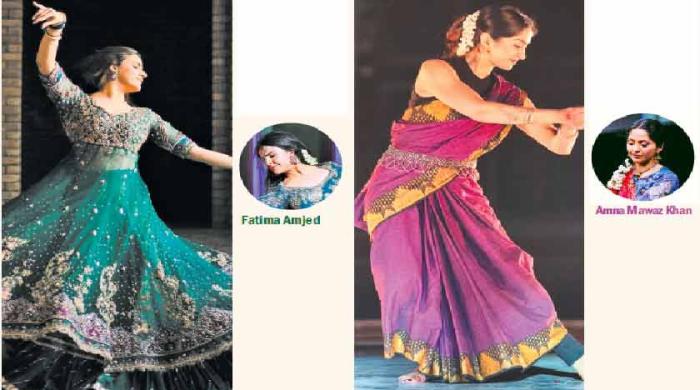
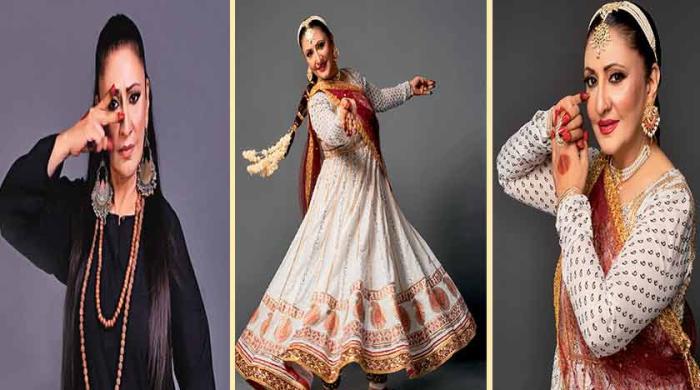
The Thar Desert Festival: This festival is held annually to celebrate the local Rajasthani-influenced culture. This festival is a riot of colour, music and dance. People dress in bright, embroidered outfits and camel races are one of the highlights of the event. Women perform Ghoomar and other folk dances, spinning gracefully in traditional dresses that flare out in vivid patterns. The festival also features music played on local instruments, storytelling and poetry recitations. The desert landscape, with its golden sands and open sky, adds a dramatic backdrop to the festival, enhancing its visual impact. For photographers and travellers, the contrast between the arid environment and the vibrant costumes creates unforgettable images.
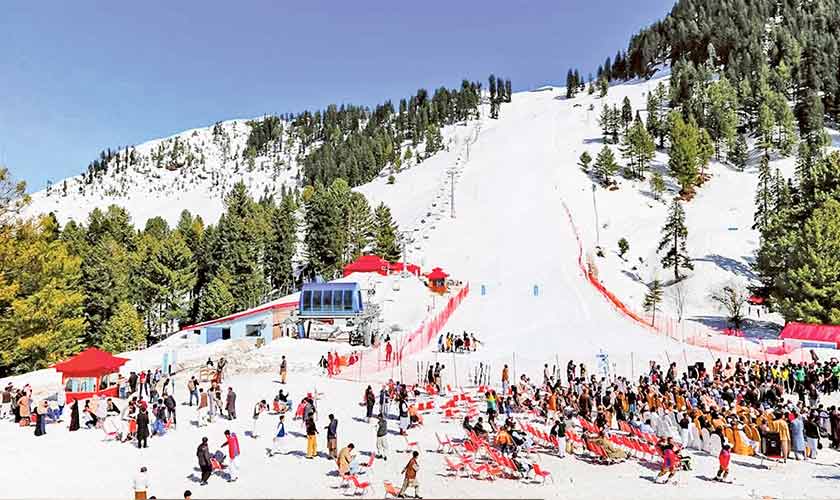
Malam Jabba Winter Festival: Essentially known for skiing and winter sports, the festival also features traditional dances, music and local cuisine. Villagers from nearby areas participate in the festivities, wearing traditional attires that reflect the cultural heritage of the region. The festival combines the thrill of winter sports with cultural expression, making it a visually dynamic and lively event. Snow-covered mountains provide a stunning backdrop for colourful costumes, dances and community gatherings, creating a unique festival experience unlike any other in Pakistan.
The writer is a seasoned journalist and a communications professional. He can be reached at [email protected]