This week, You! celebrates International Mountain Day with a journey through the world’s majestic summits and the stories they hold…
international mountain day
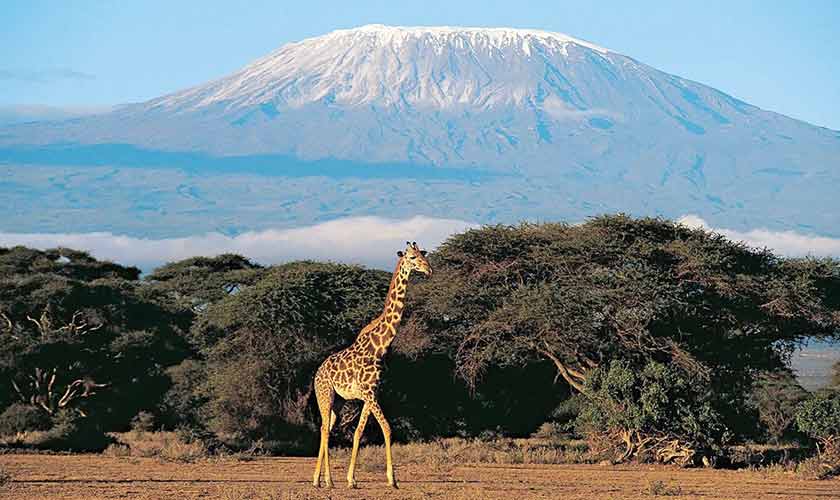
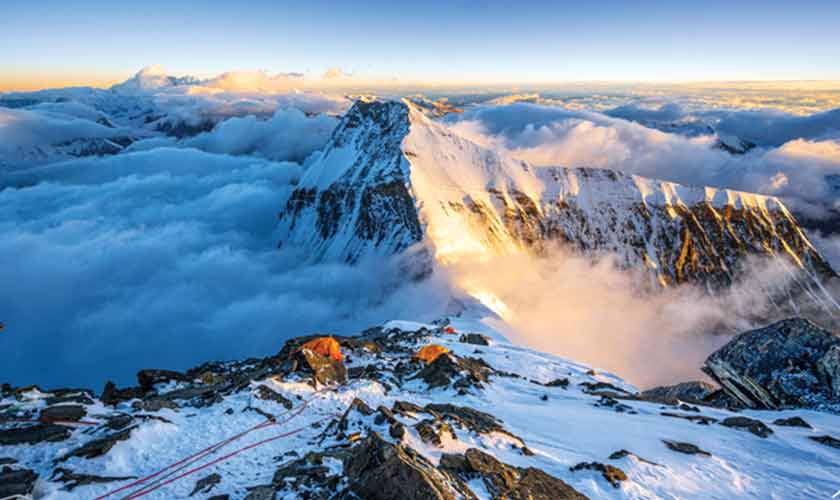
It began with a photo. A snow-dusted peak piercing through clouds, standing tall and still, as if guarding the world below. I had been mindlessly scrolling on a random Saturday morning, half-awake and half-interested, until that picture stopped me. Something about it felt grounding - a silent reminder of how tiny we are next to nature’s grandeur.
That’s what mountains do. They have a quiet power. You don’t even need to be standing on one to feel it; sometimes a single image is enough to make you pause. And every year, the world pauses officially too, on December 11, to celebrate International Mountain Day - a day dedicated to recognising the significance of mountains, the people who live among them and the ecosystems they nurture.
For 2025, the theme is ‘Glaciers Matter’, highlighting how melting glaciers threaten water, food and livelihoods far beyond the mountain ranges themselves. It’s a reminder that what happens up there affects what happens down here.
Mountains aren’t just scenic backdrops - they’re life-givers. They supply about three-quarters of the world’s freshwater, host nearly half of all biodiversity hotspots and are home to hundreds of millions of people. They influence weather, culture, agriculture and even our sense of awe. Yet they’re also under threat, from deforestation, unplanned tourism and the slow but devastating retreat of glaciers caused by climate change.
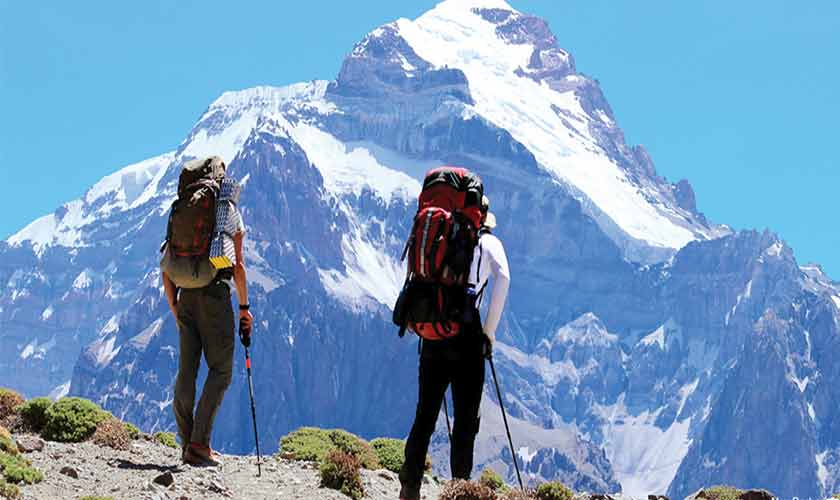
But beyond all that seriousness, mountains are also joy. They call to the dreamers, the wanderers and anyone craving perspective. Climbing one might not solve your life’s problems, but it has a way of quieting them.
The call of the peaks
Let’s take a quick journey across the world to some of the most popular mountains - not just for their beauty, but for what they represent.
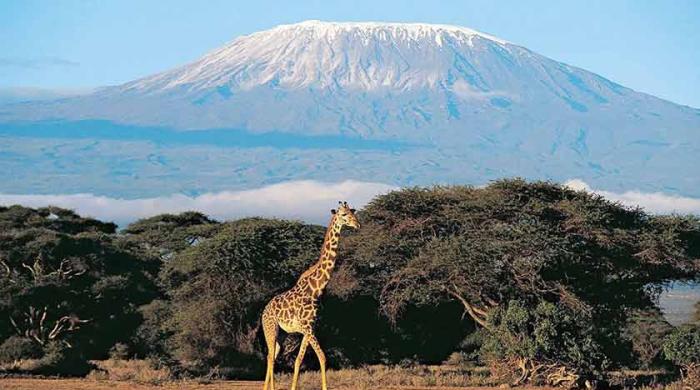
Mount Kilimanjaro in Tanzania rises proudly at nearly 5,900 meters. It’s Africa’s tallest peak and the world’s highest free-standing mountain, meaning it isn’t part of a range. What makes Kilimanjaro special is its changing landscape: one day you’re walking through a humid rainforest, and a few days later you’re crunching through icy snow under a pale blue sky. It’s not a technical climb, which means even those without mountaineering experience can attempt it with a strong will and good preparation. The best times to visit are from December to February and June to September - dry, clear months when the sunrise from the summit is unforgettable.
Then there’s Mont Blanc, straddling the border between France and Italy. At about 4,800 meters, it’s the highest mountain in Western Europe - a symbol of both endurance and elegance. The region surrounding it, Chamonix, is a playground for climbers, skiers and hikers alike. For some, it’s a spiritual journey; for others, an adrenaline rush. The best months to visit are June through August, when the trails are open and the weather is kinder.
If you travel to South America, you’ll find Mount Aconcagua towering at nearly 7,000 meters in Argentina’s Andes. It’s the highest point outside Asia and though it sounds intimidating, it’s often called a ‘trekker’s mountain’ because it doesn’t require advanced climbing skills - just stamina, patience and a good head for altitude. The prime time to visit is December through February, when the southern summer keeps conditions more stable.
In Europe’s Far East stands Mount Elbrus, the continent’s highest peak at 5,642 meters. It’s actually a dormant volcano tucked in Russia’s Caucasus range. Its twin domes are often capped in pristine snow and its glaciers shimmer in sunlight even during summer. June to August are ideal months to go, as the air is clear and the snowpack isn’t too deep.
And of course, we can’t forget the crown of them all, Mount Everest, standing 8,849 meters tall. It’s the dream - the symbol of ‘making it.’ But Everest isn’t just a challenge; it’s a lesson in humility. It teaches climbers about endurance, teamwork and respect - for nature and for human limits. The climbing season usually runs from April to May, when the weather briefly settles between storms.
Each of these peaks tells its own story - of endurance, of human curiosity and of the fine line between admiration and exploitation.
Why we should visit mountains
Visiting mountains isn’t just about ticking off destinations - it’s about what they give back. The crisp air, the stillness, the break from the noise - it all seeps into you. Whether you hike, camp or simply sit beside a mountain stream, you come away different, more centred.
Mountains also remind us of coexistence. The people who live in mountain regions often depend on nature in the purest way possible. Their cultures, cuisines, music and crafts are all intertwined with the rhythm of the seasons. Supporting mountain tourism, when done responsibly, means supporting those communities too, ensuring that visitors leave footprints of appreciation, not destruction.
Mountains matter
Beyond travel, mountains matter for survival. They store water in glaciers that feed the rivers we rely on. They regulate climates, house plants and animals found nowhere else and provide livelihoods through agriculture and tourism. When glaciers melt too quickly, it’s not just the mountain communities that suffer - it’s everyone downstream.
So when we mark International Mountain Day, it’s not just to post a picture of snow peaks with a quote about serenity. It’s to remember that mountains are fragile giants. They give far more than they take. And they need us to return the favour, through conservation, awareness and a bit of humility.