Ongoing tensions between Iran and the United States have repeatedly fuelled uncertainty, pushing oil prices upward even at the hint of conflict....
THINK PAD
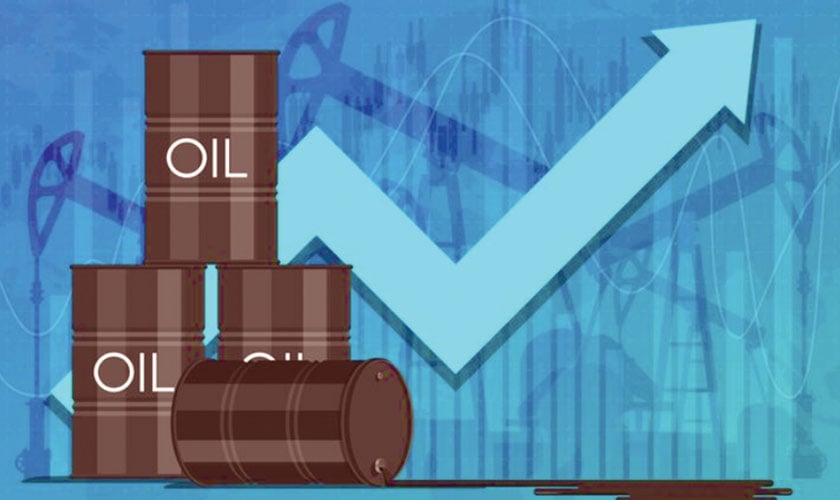
The story of rising fuel prices does not begin at the petrol pumps – it begins thousands of miles away in geopolitically sensitive regions like the Strait of Hormuz, a narrow passage through which a significant share of the world’s oil supply flows. Any disruption here sends shockwaves across global markets. Ongoing tensions between Iran and the United States have repeatedly fuelled uncertainty, pushing oil prices upward even at the hint of conflict.
In this fragile environment, Pakistan occupies a strategically important position. Its consistent emphasis on regional stability and peaceful dialogue reflects a broader understanding: that conflict in key energy corridors would not only disrupt global supply chains but also intensify economic pressure on developing nations.
These global realities quickly translate into local consequences. Fuel, the backbone of modern economies, powers transportation, trade and industry. When its price rises, the effects ripple through every layer of society.
For ordinary citizens, the impact is immediate. Daily commuting becomes more expensive, stretching already tight household budgets. A seemingly small increase in petrol prices accumulates into a significant monthly burden, forcing families to cut back on other essentials.
The pressure extends beyond personal expenses. Fuel is deeply embedded in the supply chain, particularly through diesel-powered transport. As transportation costs rise, so do the prices of food, groceries and everyday goods. What begins as a global oil fluctuation ends up as higher bills at local markets.
Businesses, too, are forced to adapt. Sectors such as logistics, agriculture and delivery services face escalating operational costs. Many respond by raising prices, scaling back services or delaying expansion plans. The broader economy slows, investment hesitates and job creation suffers.
Perhaps the most troubling consequence is the widening gap between the rich and the poor. Low-income households, already spending a large share of their income on basic needs, are hit the hardest. Rising fuel costs deepen economic inequality and intensify financial insecurity.
At the same time, people begin to adjust their behaviour. Public transport, carpooling and reduced travel become common choices. While these shifts may appear efficient, they are often
driven by necessity rather than preference, reflecting a quiet decline in living standards.
Public services are not immune either. Higher fuel costs strain emergency services, transport systems and welfare operations, limiting their reach and effectiveness. In some cases, economic pressure can even give rise to harmful practices such as fuel hoarding or smuggling.
There is, however, a limited environmental upside. As fuel becomes more expensive, consumption may decline, leading to reduced emissions. Yet this benefit is overshadowed by the economic hardship faced by millions.
Ultimately, rising fuel prices act as an invisible tax, one that touches every sector while disproportionately burdening the most vulnerable. What starts as geopolitical tension in regions like the Strait of Hormuz ends up shaping the daily realities of ordinary people, underscoring the deep interconnectedness of today’s world.