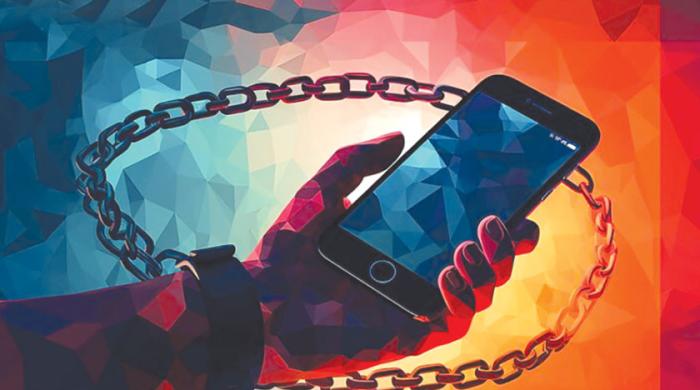
A rapidly growing crisis is overwhelmingly taking over our daily lives: digital distractions....
COVER STORY
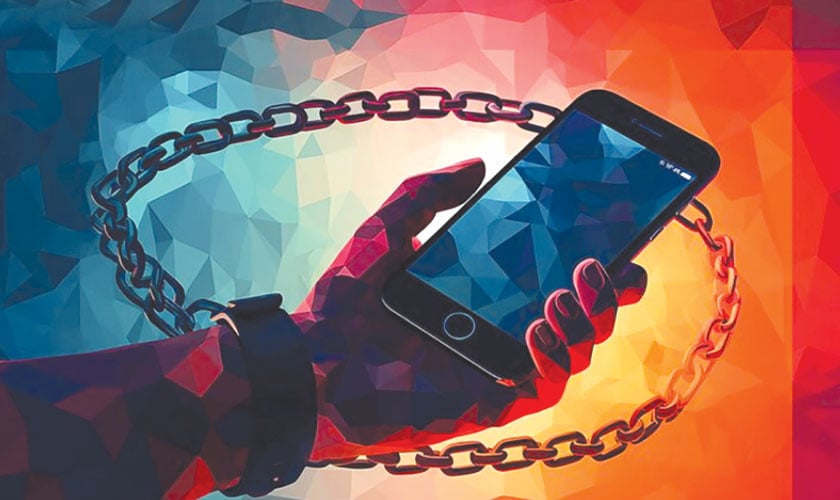
A rapidly growing crisis is overwhelmingly taking over our daily lives: digital distractions. What began as a convenient way to communicate and stay informed has gradually turned into a powerful barrier between individuals and their real potential. Smartphones, social media platforms and constant notifications are now dominating our time, our attention and even our mental well-being.
The scale of the problem is alarming. Recent studies suggest that the average person spends around six to seven hours a day on digital devices, which means nearly 40 per cent of waking hours are consumed by screens. Every minute, millions of people lose their focus to the endless “ping” of notifications from messaging apps, social media and emails. What seems like a quick glance at the phone often turns into several minutes of scrolling, slowly eroding our productivity and concentration.
The issue is not simply about using phones; it is about how these interruptions reshape the human brain. Research shows that after a single interruption, it can take up to 23 minutes for a person to regain deep focus. If someone checks their phone just three times in an hour, their ability to perform complex mental tasks drops drastically. Psychologists warn that constant switching of attention leads to mental fatigue, reduced memory retention and a condition commonly described as “brain fog.”
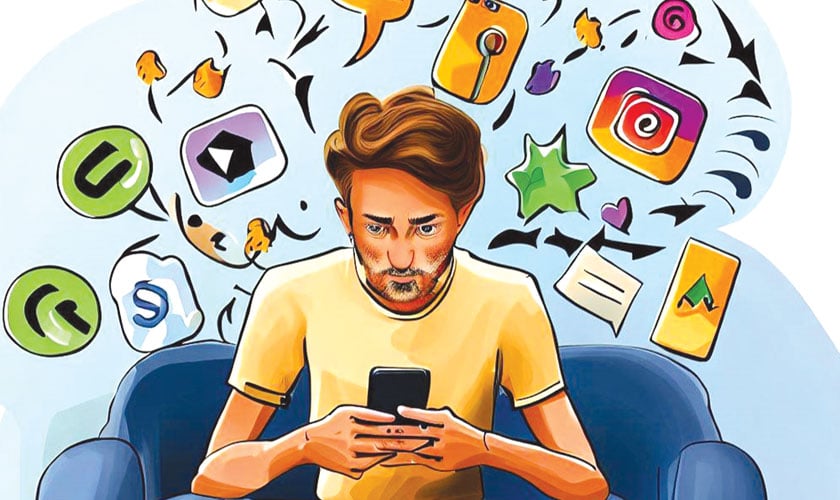
This pattern is increasingly visible in Pakistan as well. In classrooms, many students struggle to read even a few pages without turning to TikTok, Instagram or gaming apps. Teachers frequently report declining attention spans among learners. In workplaces, productivity is also affected as employees spend valuable hours on WhatsApp groups, social media feeds or unnecessary online discussions, with office workers often checking their phones without any urgent reason.
Another serious concern is that most digital platforms are deliberately designed to be addictive. Technology companies use psychological techniques such as endless scrolling, instant notifications and algorithm-driven content to keep users engaged for longer periods. Their primary goal is to increase screen time so that more advertisements can be displayed. However, this business model often comes at the cost of users’ mental health.
Medical experts now link excessive screen usage to anxiety, sleep disorders, depression and reduced social interaction. Studies also reveal that nearly six per cent of young adults experience “phantom vibration syndrome,” a condition in which people feel their phone vibrating even when it is not. This shows how deeply technology has embedded itself into our psychological habits.
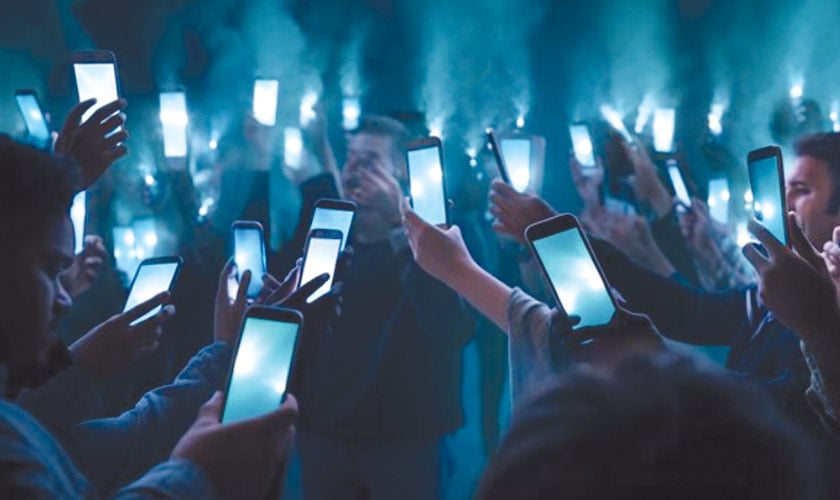
Perhaps the most worrying impact is on human relationships. Families sit together at dinner tables while each member remains absorbed in a separate screen. Friends meet but spend more time checking notifications than talking to one another. In such moments, people are physically present but mentally distant. As a result, society is becoming increasingly lonely despite being digitally connected.
To address this issue, practical steps are urgently needed. Schools and colleges should introduce “digital discipline policies” that limit phone use during study hours. Offices should create “deep work zones” where employees can work without the interruption of notifications. Individuals can also use productivity tools such as website blockers or focus applications to reduce online distractions.
Most importantly, people must consciously reclaim control over their time and attention. Technology should serve humanity, not dominate it. If we fail to recognise the dangers of excessive digital engagement today, we risk raising a generation that is constantly connected to screens but disconnected from reality. It is time for society to wake up, look up from the glowing screens and restore balance in the way we use technology.