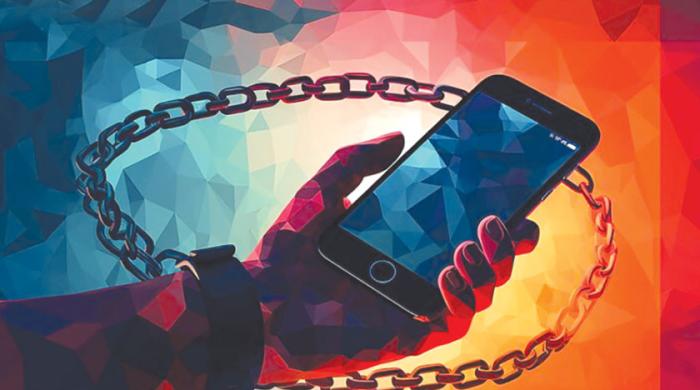
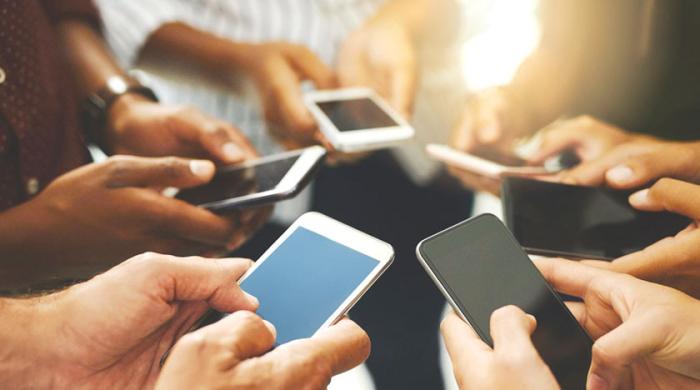
“Technology is a useful servant but a dangerous master.”
COVER STORY
“Technology is a useful servant but a dangerous master.” Norwegian Nobel Peace Prize laureate Christian Lous Lange may have made this observation a century ago, but his words ring true now more than ever.
In today’s digital age, mobile phones have become an essential part of daily life, helping people communicate, learn and stay connected with the world. However, when their use becomes excessive and uncontrollable, it turns into a form of addiction that affects a person’s productivity, relationships and mental well-being. Many people, especially young students, spend countless hours on their phones without realising the negative impact on their lives. Therefore, mobile phone addiction has become a serious issue that influences individuals socially, academically, emotionally and psychologically.
Mobile phone addiction is a growing problem among students worldwide. It occurs when phone use becomes compulsive and begins to interfere with daily life, school responsibilities or social relationships. According to the Cambridge Dictionary, addiction is “a strong and harmful need to regularly have something or do something and you cannot stop it even if you want to.” In the context of mobile phones, this refers to excessive use of social media, messaging or games that disrupt normal routines and personal balance.
Several factors contribute to this addiction. Mobile phones provide instant entertainment, social connection and even emotional comfort. Fear of missing out (FOMO) drives many teenagers to check notifications repeatedly throughout the day. A study conducted in Pakistan reported that a majority of university students showed signs of excessive smartphone use due to peer influence and easy accessibility, and many experienced anxiety when separated from their devices. Similarly, another research found a significant relationship between smartphone addiction and stress among students, showing how psychological dependence develops over time.
Excessive mobile phone use can seriously affect mental and emotional health. One concerning effect is reduced real-life social interaction. Some young people begin to prefer online communication over face-to-face conversations, a condition sometimes described as “virtual autism,” which may also contribute to delayed speech development in younger adolescents. When virtual communication replaces meaningful human contact, emotional development can suffer.
Another major psychological effect is sleep disturbance. Research indicates that excessive use of smartphones can lead to fewer hours of sleep and poor sleep quality among students. Lack of sleep reduces concentration, weakens memory and increases irritability, directly influencing academic performance and overall well-being. Continuous sleep deprivation can weaken the immune system and disturb the body’s natural hormonal balance. It can also reduce attention span and decision-making ability, making students more prone to mistakes and poor judgment in their daily activities.

Emotional instability is also closely linked to excessive phone use. Heavy users often experience mood swings, anxiety, and symptoms of depression. In a Pakistani study, a majority of the medical students who were queried reported feeling stressed or uneasy when they were unable to access their phones. Globally, studies have identified a strong association between problematic smartphone use and higher levels of anxiety and depressive symptoms. These findings highlight the deep emotional dependency that can develop with constant phone use.
Mobile phone addiction also negatively affects academic performance. Frequent notifications and social media interruptions reduce students’ ability to focus during study hours. According to research, students who frequently checked their phones during lectures or while studying had significantly lower grade point averages compared to those who used phones moderately. Continuous multitasking between studies and phone use reduces comprehension and memory retention, making learning less effective.
Physical health, too, is affected by excessive smartphone use. Prolonged screen time often replaces physical activity, increasing the risk of obesity. Heavy use of phones among adolescents can lead to higher body mass indices than their more active peers. In addition, poor posture while using phones can lead to neck, shoulder, and back pain, a condition often referred to as “tech neck”. Eye health is also at risk, as the World Health Organization reports that excessive near-screen exposure combined with limited outdoor activity increases the likelihood of developing myopia among children and adolescents.
Mobile phone addiction can, however, be managed with conscious effort and guidance. Encouraging outdoor activities, sports and hobbies provides healthier alternatives to screen time and improves both physical and mental health. Parental monitoring, including setting reasonable screen time limits and promoting phone-free family time, has also been shown to reduce problematic use. Furthermore, digital awareness programs help students understand responsible phone usage and strengthen self-control. Developing personal discipline and effective time management allows students to balance technology with academic and social responsibilities.
In conclusion, mobile phone addiction is a serious and growing concern that affects students’ psychological health, academic success and physical well-being. Research from Pakistan and around the world confirms its connection with stress, sleep problems, emotional instability, declining grades and various health issues. However, with awareness, parental guidance, balanced routines and self-discipline, students can control their phone usage and ensure that mobile phones remain beneficial tools rather than harmful distractions.