In 1532 King Henry VIII of England broke with Rome and turned against the pope. His act was equal...
1D
In 1532 King Henry VIII of England broke with Rome and turned against the pope. His act was equal to encouraging the Protestant Reformation.
2D
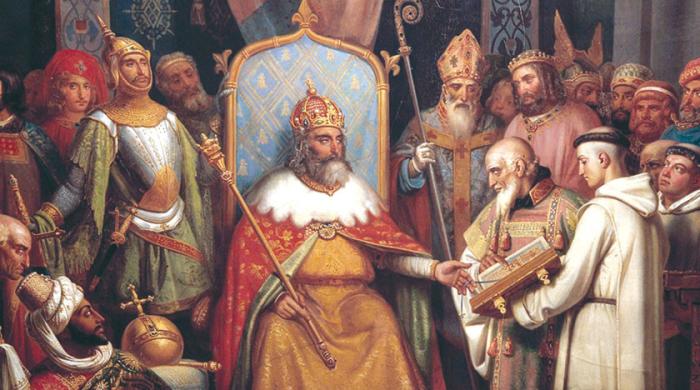
When Clovis I converted to Catholicism, he became a ‘new Constantine’, a reference to the emperor who Christianized the Roman Empire in the early 4th century.
3A
Napoleon I, emperor of the French from 1804 to 1814/15, was also known as the ‘Little Corporal’.
4D
Charles II was known as ‘the Merry Monarch’. He was the king of Great Britain and Ireland (1660–85) who was restored to the throne after years of exile during the Puritan Commonwealth.
5B
During the last years of George III’s life (from 1811), he was intermittently mad, and his son, the future George IV, acted as regent.
6B
Hirohito was emperor of Japan from 1926 until his death in 1989. He was the longest-reigning monarch in Japan’s history.
7A
George I was the first Hanoverian king of Great Britain (1714–27).
8B
King Richard II of England was induced to lay aside his crown. In January 1400 a group of his former courtiers, led by the earl of Salisbury, plotted to restore him to the throne. Their rebellion was crushed, and the former king was put to death.
9C
In 1453, Sultan Mehmed II, also known as Mehmed the Conqueror, captured Constantinople after a prolonged siege. This victory ended the Byzantine Empire and established Constantinople, later known as Istanbul, as the capital of the Ottoman Empire.
10D
Suleiman I earned the title ‘the Magnificent’ in Europe due to his military successes and the splendour of his court. In the Islamic world, he was known as ‘the Lawgiver’ for his reforms of Ottoman law, which helped standardise and strengthen the empire’s legal system.
11C
Emperor Akbar promoted religious tolerance by abolishing the jizya tax on non-Muslims and encouraging dialogue between different faiths.
12B
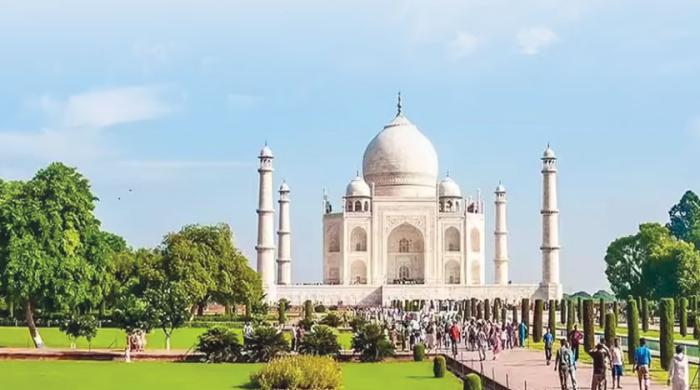
Shah Jahan commissioned the Taj Mahal in Agra in memory of his beloved wife Mumtaz Mahal.