In today’s chaotic world, we often feel an urge to escape the daily hassles and pressures placed upon us....
MENTAL HEALTH
In today’s chaotic world, we often feel an urge to escape the daily hassles and pressures placed upon us. Whether it is household responsibilities, work, academic demands or any task that requires constant attention, there comes a point when we feel unable to cope with the overwhelming workload.
To keep moving forward in such a demanding life, it is essential to maintain good mental health. A distorted perception of reality, chemical imbalances in the brain and prolonged stress can all contribute to psychological distress. Mental health encompasses our emotional, psychological and social well-being. It influences how we think, feel and behave, and plays a vital role in how we cope with stress, relate to others and make decisions. It is important at every stage of life, from childhood and adolescence through to adulthood.
We face numerous stressors in our daily lives, and maintaining mental well-being is not only important at an individual level but also at a community level. How we perceive stress and support others in coping with their difficulties determines the overall psychological health of society. This becomes possible only when we interact, communicate and relate meaningfully with one another.
In this context, psychology students frequently encounter the term ‘empathy’. But what does empathy actually mean? Empathy is not limited to the field of psychology; it is a quality that everyone can and should develop. Simply put, empathy means ‘feeling with another person’. It involves putting oneself in someone else’s place, understanding their emotions, recognising their pain and having a natural desire to help.
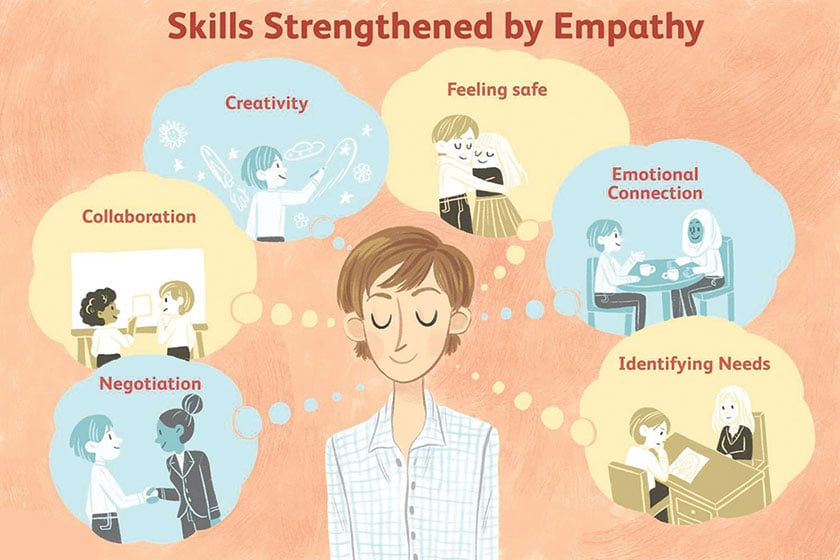
It is no surprise that empathy is closely linked to mental health, as the two reinforce each other. The importance of empathy in addressing mental illness can be understood through a simple truth: everyone wants to feel cared for and respected. For individuals experiencing mental health challenges, being treated with dignity and compassion is especially meaningful.
In clinical settings, empathy enables professionals to connect with patients by acknowledging their emotional state and listening attentively. This understanding encourages patients to engage actively in the treatment process and feel empowered in their journey towards recovery.
Beyond clinical environments, empathy plays an equally important role at home and within communities. Practising active listening, being receptive to the needs of family members, valuing their opinions and working towards mutual understanding can foster emotional well-being and healthier relationships.
By cultivating empathy in our attitudes and interactions, we can help individuals break free from the isolation often caused by mental illness. Promoting empathy within the community strengthens mental health overall. After all, a healthy society serves as the foundation of a successful nation.