Artificial intelligence is often described as unavoidable. I reject this claim, and I reject the idea that questioning it is pointless....

THINK PAD
In the weeks leading up to the new year, I read many articles on education. They often refer to a reading and writing crisis, but they rarely examine it carefully.
This issue deserves attention because it shapes how students think, learn, and express ideas. Technology has changed classrooms. I accept these changes, and I still measure them against my experience as a student. That comparison reveals a clear decline in attention, focus, and patience with texts.
Artificial intelligence is often described as unavoidable. I reject this claim, and I reject the idea that questioning it is pointless. When AI is treated as destiny, reading, writing, and human thought lose value. Technology companies now control about 15 per cent of the world’s economy. This growth reduces costs, but it replaces people and weakens creative work. AI systems operate by collecting human writing, art, and ideas from the internet.
Reading habits are changing. People scroll more than they read, and phones train users to click without pause. When we say, “Just put it into ChatGPT,” we accept copying instead of thinking.
AI depends on human models. Without human effort, these systems cannot function or improve. The human brain uses far less energy than AI, yet we choose machines over thought.
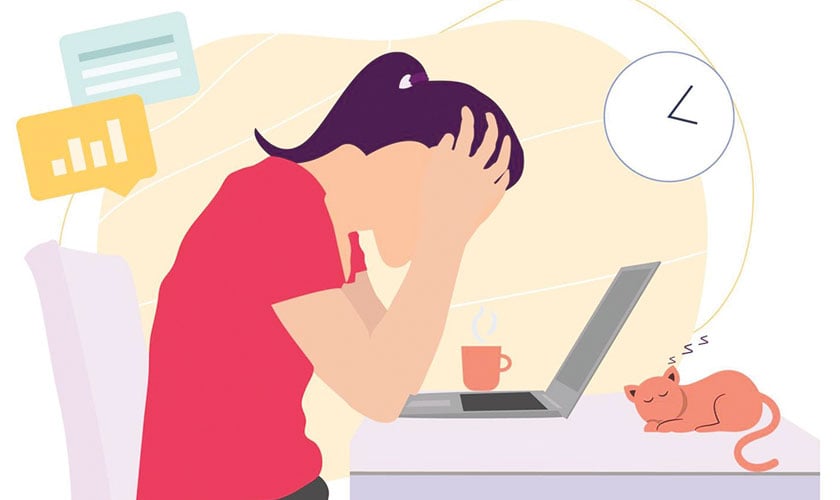
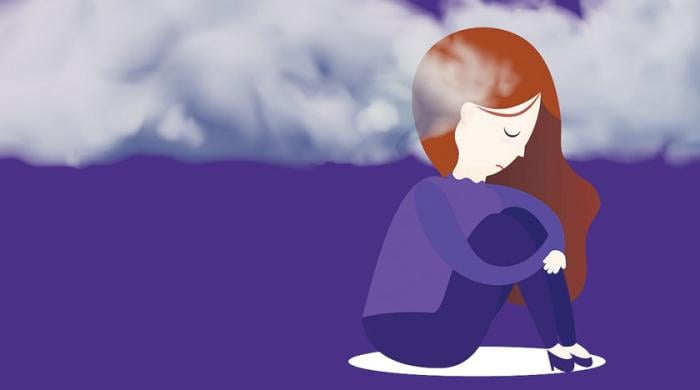
Many believe we read and write more today. Screens increase output, but habits reduce depth. Long screen use leads to anxiety, memory loss, and mental fog. Scientists call this cognitive debt.
When the brain is underused, focus weakens and fatigue grows. Reading and writing protect memory, attention, and mental health.
Solutions are possible. We must speak honestly when AI replaces original thought. Asking for personal ideas restores discussion and human exchange. Adults must read.
Book talks, reading groups, and daily habits build skill. Reading for twenty minutes a day exposes people to nearly two million words a year.
Schools should protect quiet reading time. Students develop empathy, focus, and understanding through books they choose. Reflection and discussion turn reading into active thinking.
Writing must return to the body. Short daily writing improves mood and clarity. Proprioceptive writing helps students find words without pressure.
Social media use needs limits. Doom scrolling increases stress and drains energy. Creative acts restore balance and attention.
Writers and artists need protection. Laws must prevent scraping and defend creative work. Education survives only when human thinking remains valued.