The Prophet (S.A.W) said, “I am your predecessor at the Lake-Fount (Kauthar) and some men amongst you will be brought to me...

BITS ‘N’ PIECES
Narrated Abdullah (R.A):
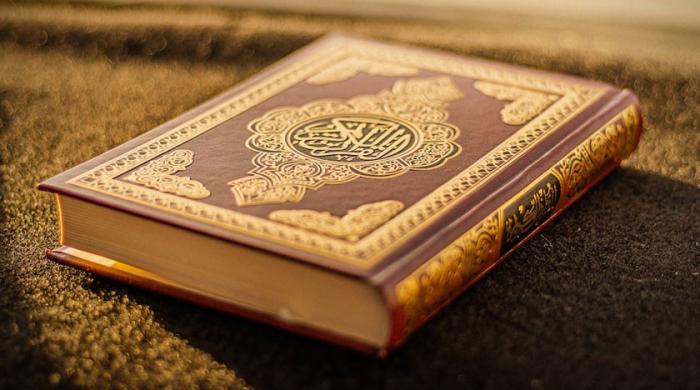
The Prophet (S.A.W) said, “I am your predecessor at the Lake-Fount (Kauthar) and some men amongst you will be brought to me, and when I will try to hand them some water, they will be pulled away from me by force whereupon I will say, ‘O Lord, my companions!’ Then the Almighty will say, ‘You do not know what they did after you left, they introduced new things into the religion after you.’”
Sahih Bukhari, Volume 9, Book 88, Number 173
SMS messages laid the foundation for the messaging culture we rely on today.
SMS texting, now such an ordinary part of daily communication, began with a simple two-word message that no one at the time imagined would change the world. On 3 December 1992, Neil Papworth, a young software engineer, sent the first ever text message. Using his computer, he typed ‘Merry Christmas’ and sent it over the Vodafone network to the Orbitel 901 phone of Richard Jarvis, who was attending a company Christmas party. Phones could not send texts back yet, so Jarvis had no way of replying, but the message marked a quiet technological breakthrough.
Papworth later admitted that the moment did not feel historic. For him, it was simply a test to check whether the Short Message Service Centre he had helped build was functioning properly. Yet this modest experiment paved the way for one of the most influential shifts in modern communication. A year later, Nokia introduced the first mobile phone capable of sending SMS messages. These early texts were limited to 160 characters because of bandwidth restrictions, and users could only message others on the same network. Cross-network texting did not arrive until 1999, but once it did, SMS rapidly became a global habit. Predictive texting, particularly the T9 system, made typing on numeric keypads easier. Pre-paid phone plans, many of which initially offered free texts, turned SMS into the preferred communication tool for young people.

The limitations of early texting shaped an entirely new style of writing. Abbreviations like ‘u’, ‘brb’ and ‘lol’, along with creative punctuation, became part of everyday language. The UK, where texting was born, saw a dramatic surge in usage. By early 2001, Britons were sending around one billion texts a month, each message costing 10 pence and generating massive profits for mobile operators.
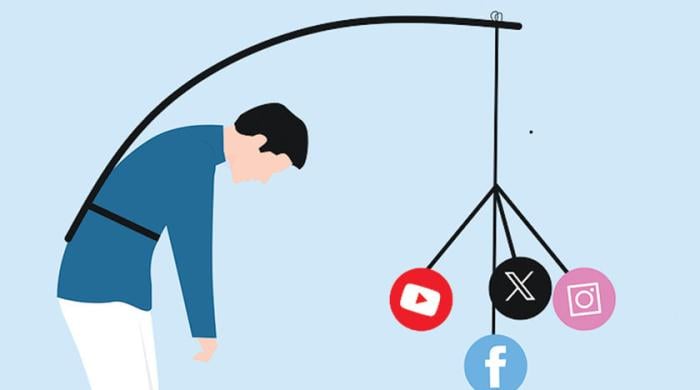
By 2010, texting had become a worldwide phenomenon. The International Telecommunications Union estimated that 200,000 texts were being sent every minute. However, the rise of instant-messaging apps such as WhatsApp, iMessage, and Facebook Messenger soon began to reduce SMS traffic. These apps offered free online messaging, group chats, and multimedia sharing, features SMS could not match.
Even so, the legacy of SMS remains immense. It shaped digital communication, influenced online slang, and laid the foundations for the messaging culture we rely on today. From that single ‘Merry Christmas’ in 1992 to the billions of daily messages sent across countless platforms, SMS will always be remembered as the spark that transformed how the world talks.