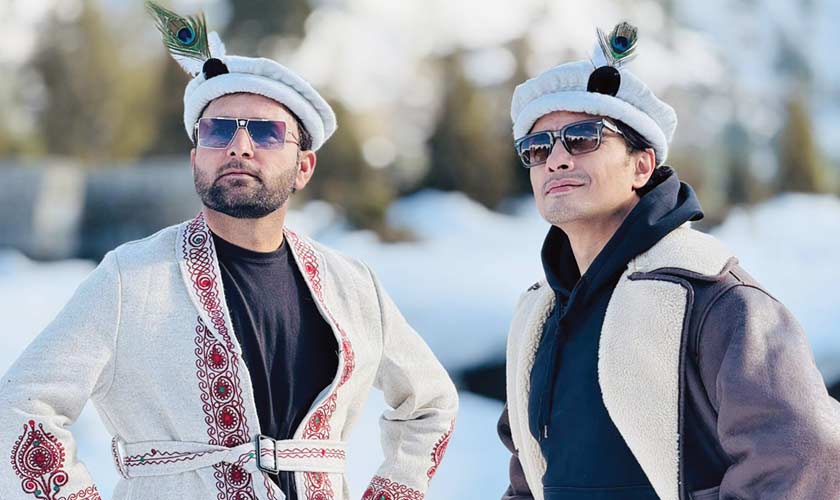
Salman has emerged as a beacon of hope for the Shina language, collaborating with renowned artists such as Ali Zafar and Laila Khan along the way.....
US TALK
Salman Paras is an inspiring internationally acclaimed folk singer hailing from the breathtaking region of Gilgit-Baltistan (GB), where he has dedicated his life to preserving the Shina language and promoting its vibrant culture on a global scale. An MBA graduate from Karakoram International University, Salman currently works in the Tourism and Culture Department of GB as assistant director, using his expertise to enhance cultural awareness and tourism in the region.
Since the recognition of GB as a province in 2009, he has tirelessly championed the unique identity of his homeland through music. His breakout song, ‘Hum Gilgit Baltistan Ke Hain’, became an anthem for the region, demonstrating the power of music to unite people. With hits like ‘Karay Karay’ gaining viral momentum, Salman has emerged as a beacon of hope for the Shina language, collaborating with renowned artists such as Ali Zafar and Laila Khan along the way.
As he continues to push boundaries and explore exciting new collaborations, Salman remains committed to celebrating and safeguarding the rich traditions of his culture, ensuring that the folk music of GB resonates far and wide, capturing the hearts of audiences everywhere.
Us: Can you tell us about your journey in the music industry?
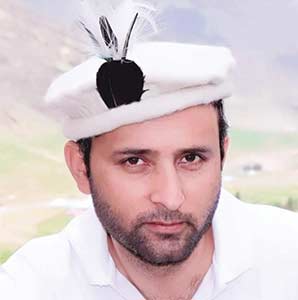
Salman Paras: My journey kicked off with a deep-rooted love for our Gilgit-Baltistan culture and the Shina language. When GB was given the province nod in 2009, it hit me how vital it was to use music as a tool for preserving our identity.
In 2014, I dropped the track ‘Hum Gilgit Baltistan Ke Hain’, penned by Zafar Waqar Taj. That song took off and became our regional anthem! People were vibing to it at every event across GB, and that moment reignited my fire for music, proving it can unite us all.
Us: Can you tell us about the impact of your song ‘Karay Karay’ and how it resonated with both locals and tourists?
SP: Oh, ‘Karay Karay’ was a total game-changer! Written by Zafar Waqar Taj and composed by yours truly, it blew up and went viral! It struck a chord not just with the locals but with tourists flocking to GB. Everyone was dancing to it, and let me tell you, those spontaneous dance videos flooded social media. It was so heartwarming to see folks from all walks of life coming together, celebrating our culture and making unforgettable memories.
Us: How did your collaboration with renowned artist Ali Zafar come about?
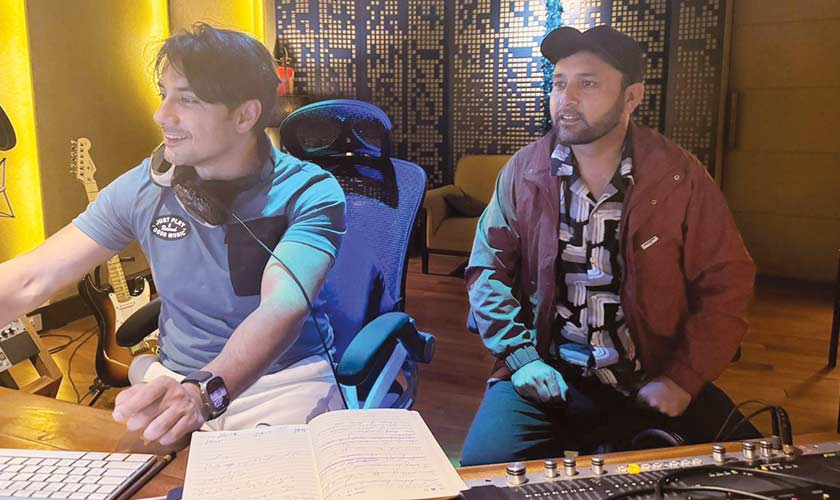
SP: In 2021, Ali Zafar DMd me, wanting to collaborate on ‘Karay Karay’. Ali’s an international icon, so I was over the moon. We hit the studio in Lahore and created a fresh take on the song. The music video, which wrapped up in 2025, captured Skardu’s jaw-dropping beauty, featuring the beauty of the cherry blossom season of GB and the traditional attire. It turned out to be a gorgeous tribute to our folk heritage.
Us: How was your experience working with Ali Zafar?
SP: Working with Ali was downright surreal. He’s not just incredibly gifted but also super humble and supportive. Collaborating with someone of his calibre was inspiring! We haven’t had the chance to perform ‘Karay Karay’ live together yet, but fingers crossed that comes around soon.
Us: You have also collaborated with other artists, such as Pashto singer Laila Khan. Can you tell us about that experience?
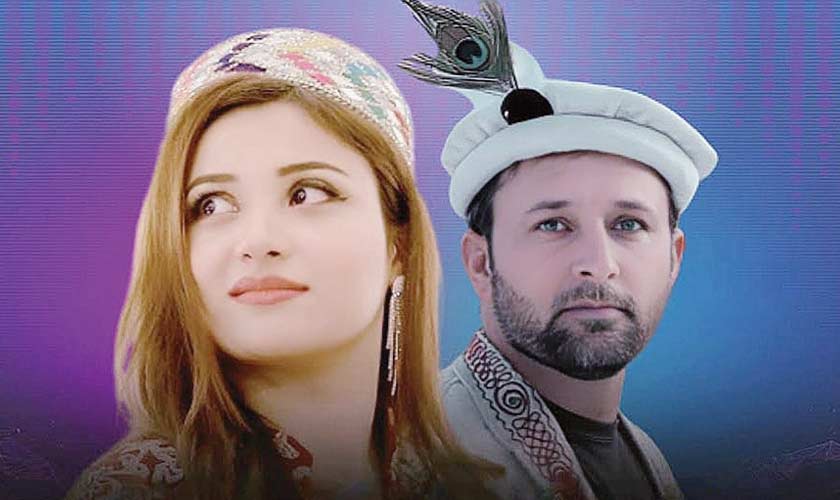
SP: Teaming up with Laila Khan on ‘Gooro Gooro’ was truly a blast. The cool thing was Laila sung in Shina while I threw in the Pashto lines – a real cultural mashup! It was a wedding banger that went viral, and people just loved it. This partnership highlighted how music can bridge languages and cultures, showcasing the rich diversity within Pakistan’s folk scene.
Us: What are your thoughts on the current state of folk music in GB?
SP: I reckon the future of the Shina language and GB’s folk music hinges on how well we mix traditional tunes with modern vibes. We can’t stick our heads in the sand – the new gen has different tastes. But we have to keep our roots strong. Folk music is the heart and soul of our culture; it carries our values and emotions. Striking a balance between preserving its authenticity and making it relevant is the way forward.
Us: Sponsored music platforms have been giving space to many regional dialects. What are your thoughts on the representation of Shina and GB artists on such platforms?
SP: Honestly, it’s a real bummer. Despite the buzz around such platforms, artists from Gilgit-Baltistan and the Shina language are still on the sidelines. Other regional languages are getting their turn, but we’re still waiting for ours. Our culture and music deserve to be showcased on big platforms. It’s not just about the limelight; it's about preserving our identity and ensuring all parts of Pakistan get their fair shot at recognition.
Us: Salman, what steps do you think can be taken to encourage young musicians in Gilgit-Baltistan?
SP: To foster young talent in GB, we need to create more platforms for them to showcase their skills. Local music competitions, workshops, and open mic nights can ignite their passion. We also need to involve schools in promoting music education, teaching kids about traditional instruments and folk songs. If we build a supportive community around them, we can nurture a new generation of artists who can carry our cultural legacy forward.
Us: What role do you think social media plays in promoting folk music from GB?
SP: Social media is a modern-day megaphone for our culture. It allows artists from GB to share their music with the world, breaking down geographical barriers. Platforms like Instagram and TikTok can help showcase our folk music and culture, reaching audiences beyond our borders. By going viral, a single song can put GB on the map! I believe young artists should leverage these platforms to tell their stories, connect with fans, and keep the spirit of our folk traditions alive.
Us: How can the local government and organizations help to promote music in your area?
SP: The local government and organizations play a key role in promoting music. They could sponsor music festivals that celebrate our folk heritage, bringing artists together and drawing in tourists. Additionally, establishing cultural centres – where musicians can collaborate, rehearse, and perform – would be a game-changer. Support in terms of grants or funding for projects focusing on traditional music can also go a long way in keeping our heritage alive.