Pakistan’s textile sector remains the backbone of the national economy. It accounts for nearly 60 per cent of the country’s exports, employs millions of workers, and serves as one of Pakistan’s largest sources of foreign exchange. Yet the industry faces a growing threat: Pakistan no longer produces enough cotton to meet its own needs.
TEXTILE SECTOR
Pakistan’s textile sector remains the backbone of the national economy. It accounts for nearly 60 per cent of the country’s exports, employs millions of workers, and serves as one of Pakistan’s largest sources of foreign exchange. Yet the industry faces a growing threat: Pakistan no longer produces enough cotton to meet its own needs.
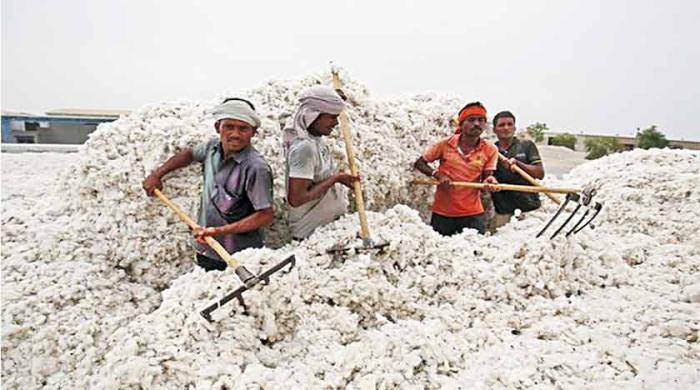
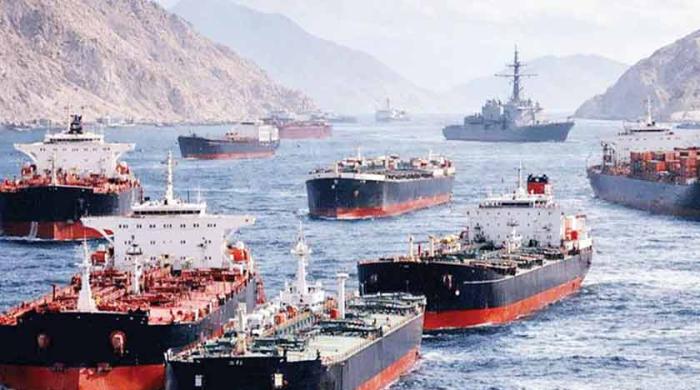
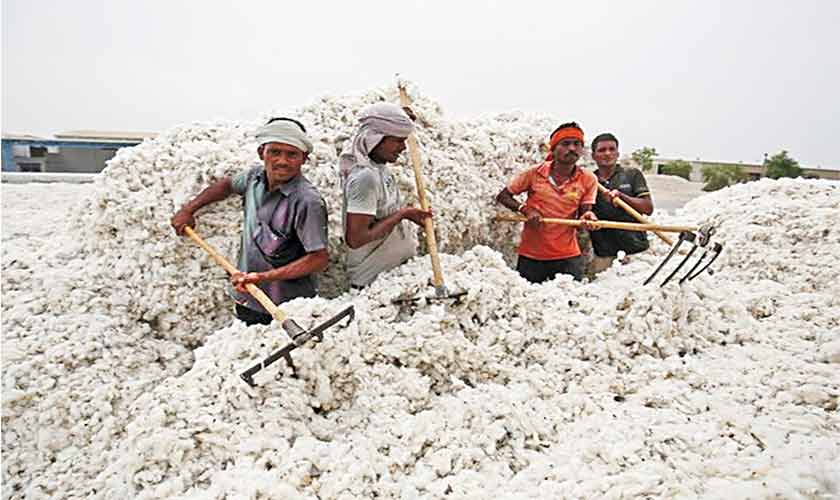
These numbers aren't to be taken lightly. In 2026-27, Pakistan is expected to produce 6.94 million bales of cotton, while domestic demand is more than 14 million. This shortfall of over seven million bales is to be met by imports. Pakistan already imports cotton from the US and Brazil at $1.6 to $2 billion a year, transported in containers on ships that cost up to $4,500 and take weeks to arrive. Meanwhile, Afghanistan is just next door, with a harvest of 158,000 MT last year and little or no market for it other than Pakistan.
This is most definitely not an agricultural issue; this is simply a clear case of failed policymaking.
Pakistan’s largest export sector is textiles; therefore, any disruption or interruption in the country’s cotton supply chain has serious negative implications for Pakistan’s hard currency (foreign exchange) earnings, industrial employment, and the government’s export targets.
The textile mills of Pakistan do not merely sit idly while the borders remain shut and political posturing continues; when their cotton supplies begin to dwindle, they immediately turn to imports from distant locations such as the US, but it also allows the supplier located on the opposite end of the world to reap all the benefits of such transactions. In short, the Pakistani cotton industry has been quietly and consistently paying the price for Pakistan’s incompetent neighbourhood policy towards Afghanistan.
The objection will come fast: how can Pakistan strengthen relations with a government that it does not officially recognise and whose actions on terrorism it openly condemns? The answer is that Pakistan is already trading with Afghanistan. The issue is whether that trade is handled strategically or disrupted on an ongoing basis. Formal recognition is a diplomatic issue. It is not needed for functional trade arrangements. What they need is political will to think of economic interests as interests and not as bargaining chips to be picked up and dropped in line with the security agendas of the moment.
There is also a domestic dimension that is consistently ignored by Pakistani policymakers. Each rupee spent on importing cotton from Brazil is a rupee not being utilised in Pakistan's local supply chain. Each week of border closure is a week for which Pakistani mills must pay premium prices in the international markets for cotton. The textile lobby is vocal enough to make its voice heard on agricultural reforms; it should be vocal enough to demand a coherent neighbourhood trade policy, since the two are now part of the same agenda.
The textile lobby is vocal enough to make its voice heard on agricultural reforms; it should be vocal enough to demand a coherent neighbourhood trade policy, since the two are now part of the same agenda
Agriculture alone won't fix Pakistan's cotton crisis. Long-term structural reform is needed for both seed quality and water availability, and to encourage farmers; this will take years to show results. For immediate short-term targets, the primary lever is not in a research lab or an irrigation department; it is at the border-crossing.
Economic geography can’t be overlooked in foreign policy. The lack of economic geography in foreign policy is self-defeating. Pakistan has a long border with Afghanistan, which is one of the biggest prospective cotton producers, and yet Pakistan still import cotton valued at up to a billion dollars from the farthest side of the world. It is not just an issue of agricultural policy or even, strictly speaking, trade policy. It is a matter of deciding and adapting to the real purpose of neighbourhood policy.
In terms of moving
forward, Pakistan must make economic connectivity with Afghanistan
its number one foreign policy priority, rather than an afterthought.
This will involve establishing formal bilateral trade agreements for the Afghan cotton trade, rather than allowing the trade to continue on a week-by-week basis at the whims of border management. Additionally, special and predictable trade routes for agricultural commodities should be developed at both Torkham and Chaman. Joint customs facilitation and pre-cleared documentation processes should be implemented, along with seasonal import windows, none of which are radical ideas, but are typical practices among countries that recognise the importance of economic cooperation. Unfortunately, both Pakistan and Afghanistan are reaping the dividends of a lack of economic cooperation.
Second, the foreign policy establishment in Pakistan needs to raise the bar of economic diplomacy with Kabul from transactional crisis management. Afghan cotton cannot be a substitute for long-staple Brazilian imports in premium textile manufacturing, but it can meaningfully contribute to Pakistan's spinning sector for low- and medium-count yarns. It's a real industrial relief, available by land and at a small fraction of the freight cost. It will take a sustained diplomatic effort to unlock it, rather than a fleeting one.
Third, Pakistan should be ready to continue confidence-building measures in the trade arena even in the face of heightened tensions in the political relationship. The precedent exists. During and after the Galwan Valley clashes in 2020, both India and China have maintained, and now increased, bilateral trade beyond $130 billion per year. Both sides pretended the conflict did not happen. Both sides recognised that economic interdependence is too strategically valuable to be weaponised casually. Pakistan must internalise the same concept in relation to Afghanistan. Security tensions are a reality. However, the very first casualty in every political conflict need not be traded; it is a choice and not an inevitability. Pakistan has continued to do so at its own cost.
The link between Pakistan’s textile future and its Afghan border is no mere abstraction. It is quite literally made of cotton.
The writer is an MPhil scholar at PIDE, Islamabad.