For decades, Pakistan has occupied one of the world’s most challenging geopolitical neighbourhoods. Yet history has repeatedly shown that during periods of regional tension, Pakistan remains one of the few countries capable of engaging multiple stakeholders and serving as a bridge between competing powers.
ECONOMIC GROWTH
For decades, Pakistan has occupied one of the world’s most challenging geopolitical neighbourhoods. Yet history has repeatedly shown that during periods of regional tension, Pakistan remains one of the few countries capable of engaging multiple stakeholders and serving as a bridge between competing powers.
If a durable diplomatic settlement is indeed achieved, Pakistan may look back on this moment not merely as a foreign policy success, but as the beginning of one of the most significant economic opportunities in its modern history.
For a country burdened by recurring IMF programmes, energy insecurity, chronic dollar shortages, inflation and fragile investor confidence, a regional reset with Iran could represent far more than diplomatic symbolism. It could become an economic turning point.
Pakistan’s dependence on the IMF is rooted in structural issues such as weak tax collection, governance challenges, circular debt and limited export diversification. However, access to cheaper and more reliable energy could significantly reduce the balance-of-payments pressures that repeatedly push Islamabad back to IMF negotiations.
A normalised economic relationship with Iran could lower Pakistan’s energy import costs through discounted crude oil, natural gas supplies and deferred payment arrangements. While this would not eliminate IMF dependence overnight, it could substantially reduce Pakistan’s vulnerability to recurring external financing crises.
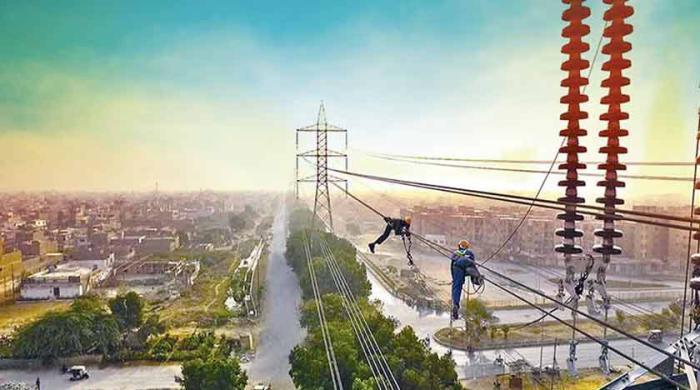
Equally important, it would diversify Pakistan’s energy sources. For decades, Pakistan has relied heavily on Gulf suppliers for its energy needs. A functioning energy corridor with Iran would improve negotiating leverage, reduce exposure to price volatility, and strengthen national energy security.
The long-delayed Iran-Pakistan gas pipeline remains one of the region’s most significant unrealised infrastructure projects.
If completed, the pipeline could provide Pakistan with a reliable source of natural gas while reducing dependence on expensive LNG imports. The resulting savings would support industrial growth, ease energy shortages and improve long-term economic stability.
Financing such a project will require creativity. Beyond traditional sources such as sovereign borrowing, public-private partnerships and international investors, Pakistan should consider mobilising one of its greatest untapped assets: its overseas diaspora.
A transparent, dollar-denominated ‘Pakistan Energy Sovereignty Bond’ could allow overseas Pakistanis to participate directly in strategic national infrastructure projects while earning competitive returns. More importantly, it would strengthen the emotional and economic connection between the diaspora and the country’s future development.
One of Pakistan’s most overlooked opportunities with Iran lies in barter trade.
Pakistan’s greatest economic constraint is often not demand but access to dollars. By exchanging goods instead of relying solely on cash transactions, both countries could expand trade while reducing pressure on foreign exchange reserves.
A normalised economic relationship with Iran could lower Pakistan’s energy import costs through discounted crude oil, natural gas supplies and deferred payment arrangements
Pakistan could export agricultural products, textiles, pharmaceuticals, cement, surgical instruments, leather goods and sports equipment in exchange for Iranian energy resources. Such arrangements would support domestic industries, create employment and reduce the outflow of precious foreign currency.
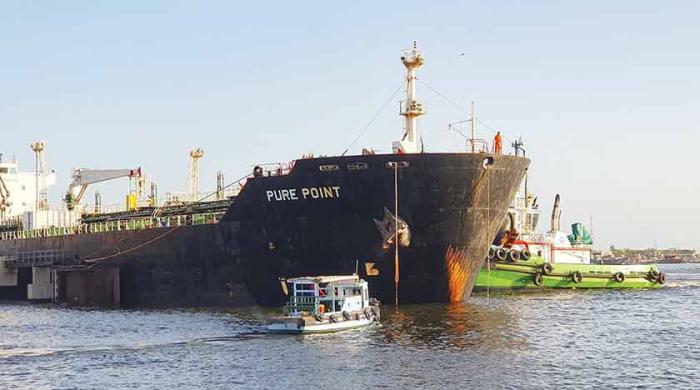
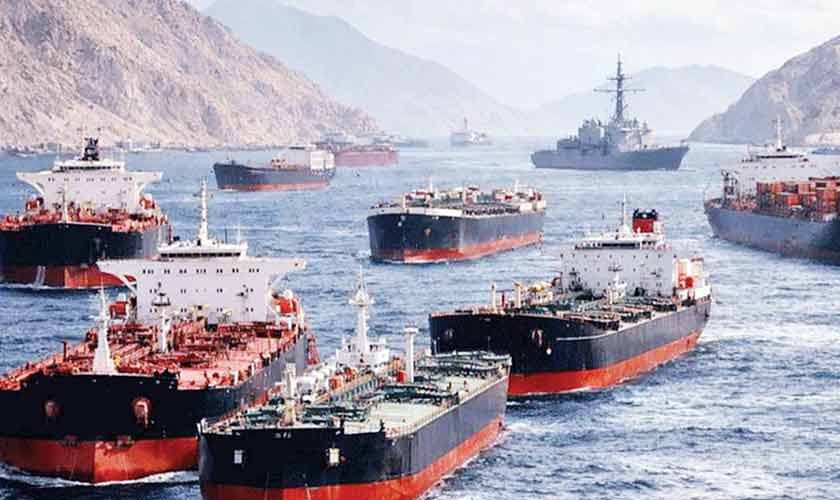
Nearly one-fifth of global oil shipments pass through the Strait of Hormuz. Whenever regional tensions escalate, shipping costs, insurance premiums and freight charges rise.
A more stable relationship between Iran and the West would reduce these costs, benefiting countries like Pakistan that depend heavily on imported energy and international trade. Even modest reductions in shipping and insurance expenses could save hundreds of millions of dollars annually while improving overall economic competitiveness.
Perhaps the greatest long-term opportunity lies in Balochistan.
For decades, the province has been viewed primarily through the lens of deprivation and insecurity. Yet geography places Balochistan at the centre of any future Iran-Pakistan energy and trade corridor.
A functioning corridor could transform the province into a logistics hub, customs gateway, warehousing centre and energy transit route. The resulting economic activity could generate jobs, attract investment, increase provincial revenues and promote greater national integration.
Reliable and affordable energy is not only important for heavy industry; it is equally critical for Pakistan’s growing technology sector.
Software houses, call centres, freelancers, AI startups and data centres all depend on stable electricity and investor confidence. Lower energy costs and improved reliability would strengthen Pakistan’s competitiveness as a technology destination and support continued growth in IT exports.
If diplomatic normalisation with Iran gains momentum, the combined benefits could be substantial: lower energy costs, expanded trade, improved energy security, reduced pressure on foreign reserves, stronger industrial growth, greater investor confidence and new opportunities for underdeveloped regions.
Yet geography alone does not create prosperity. Success would require disciplined diplomacy, transparent financing, infrastructure investment, governance reforms and long-term strategic planning.
Pakistan also possesses two extraordinary assets that remain underutilised: its young population and its global diaspora.
Millions of young Pakistanis have the potential to drive innovation, entrepreneurship and economic growth. At the same time, more than 15 million overseas Pakistanis possess billions of dollars in capital, expertise and international experience. Many remain deeply invested in Pakistan’s future and are eager to contribute beyond remittances if presented with credible opportunities.
If Pakistan’s political leadership, bureaucracy, economic planners and national institutions can unite behind a coherent economic vision, this moment could become far more than a diplomatic success. It could become the beginning of a national transformation.
History does not reward nations merely for their geography. It rewards those with the vision and courage to act when opportunity presents itself.
The writer is a California-based technology executive with more than 25 years of experience in software development and quality assurance, enterprise systems and digital transformation.He can be reached at: [email protected]