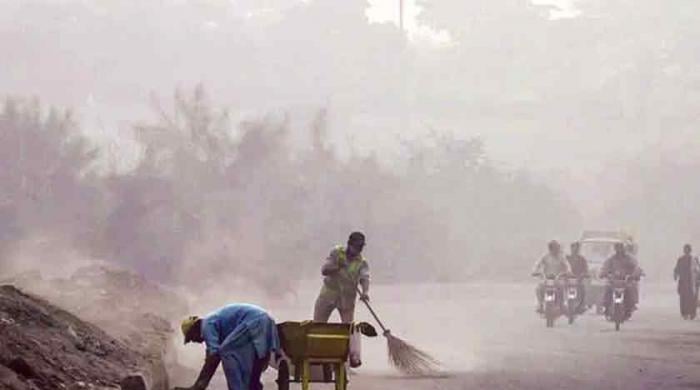
Pakistan has been facing one of its most serious power crises in the past two decades, with widespread loadshedding mainly caused by the inability of hydropower projects to meet the rising energy demands.
THAR COAL
Pakistan has been facing one of its most serious power crises in the past two decades, with widespread loadshedding mainly caused by the inability of hydropower projects to meet the rising energy demands.
In 2013, the government had to rely on expensive sources like oil and gas to fill the gap, which offered temporary relief. However, the sharp rise in the value of the dollar has once again pushed up production costs, creating a situation similar to previous years.
Experts have repeatedly reminded the government that the 175 billion tonnes of coal reserves in Sindh’s Tharparkar district can help reduce the country’s dependence on imported fuels and ease the energy crisis. Efficient use of Thar coal in sectors such as cement and sugar can play a key role in strengthening the economy. These reserves are seen as a last major domestic source of energy that could lead Pakistan towards stability and growth. If the government continues to develop this project, it could provide affordable electricity and support the industrial sector’s growing needs.
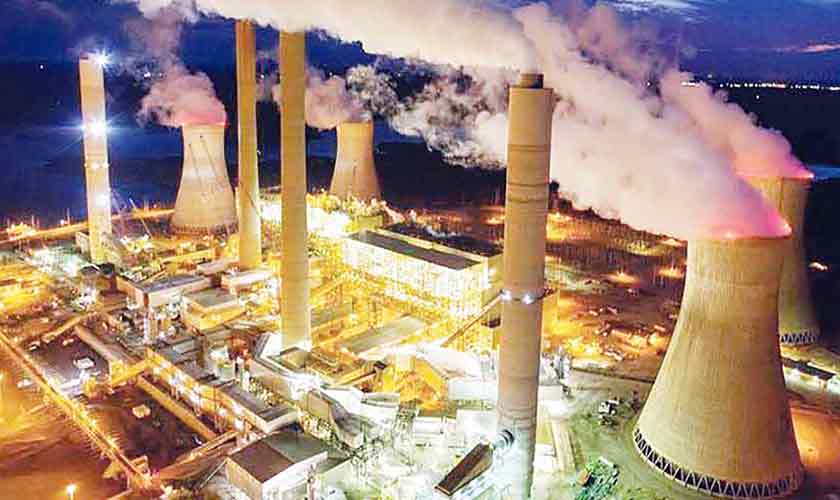
Thar coal is already being used for power generation, helping reduce reliance on imported coal. Plans are also in place to use it in various industries across the country. For large-scale transportation, the government plans to move coal by rail rather than by trucks to avoid damage to infrastructure and to reduce environmental impact.
According to the Geological Survey of Pakistan, Thar holds one of the largest lignite coal reserves in the world, with an estimated 175 billion tonnes. At present, Pakistan faces a shortfall of around 6,000MW. With a growing population and expanding industries, the energy demand continues to rise. Coal currently plays a small role in the country’s energy mix -- and Pakistan still imports large quantities to meet industrial demand. The goal of the Thar Coal project is to produce electricity from local coal, cutting reliance on imports and helping bridge the gap between supply and demand.
The Sindh Engro Coal Mining Company (SECMC) has begun mining operations in Block II of the Thar Coalfield to help meet Pakistan’s energy needs. This block alone holds an estimated 1.57 billion tonnes of lignite coal. SECMC has invested heavily in land acquisition for resettling affected communities, building mining facilities, and setting up power plants. The project will be completed in three phases. In the first phase, two 330MW subcritical power plants are being set up, with Engro Powergen as the majority stakeholder. The project aims at producing 20.6 million tonnes of coal annually, which could generate around 3,960MW.
Alongside coal, investment in renewable and alternative energy sources such as solar, wind and hydropower is equally important to ensure clean, affordable and sustainable energy for the future
Tharparkar, Pakistan’s largest desert district, is home to 1.5 million people. Unlike many deserts, it becomes lush and green during the monsoon season when the dunes are covered with vegetation. Despite its beauty, Tharparkar remains one of the most underdeveloped districts in Sindh, ranked 32nd in the country. The SECMC is working closely with the local communities to address concerns about mining, land, and rehabilitation. It has also launched social development programmes, offering education, healthcare, housing, clean water, and employment opportunities to improve local livelihoods and empower both men and women.
Prime Minister Shehbaz Sharif has stated that the Thar coal reserves could generate electricity for the next 300 years at an estimated cost of just Rs10 per unit. He also assured that the new coal power plants being developed will use modern technology to minimise pollution. At present, Pakistan has coal power plants with a total capacity of 4,000MW.
If fully developed, Thar coal can help Pakistan save a significant amount of foreign exchange. The global price of coal has fallen from $67 to $44 per tonne, which further strengthens the case for local utilisation. The government has already spent around $24 billion on energy imports, while gas shortages threaten to worsen the power crisis during the winter months. Projects like that of Thar coal can reduce the need for imported fuel and free up national resources for public welfare.
Experts believe that Thar’s vast coal reserves can be used not only for power generation but also to produce gas. If the government uses this natural resource wisely, Pakistan could overcome its energy problems more easily. Alongside coal, investment in renewable and alternative energy sources such as solar, wind and hydropower is equally important to ensure clean, affordable and sustainable energy for the future.
These efforts will help provide reliable electricity to ordinary citizens, while boosting the national economy. Another key feature of the Thar Coal project is its use of advanced technology to limit environmental pollution. Once a barren and lifeless desert, Thar is now being transformed into a centre of progress, generating energy and providing new hope for its people.
A railway line is also being built to transport coal efficiently across the country. Since the start of the Thar Coal project, it has created thousands of jobs for the local residents and continues to attract workers from other areas. As the project expands, it is expected to open even more opportunities, driving both local and national economic growth.
The writer is a freelance contributor. He can be reached at: [email protected]