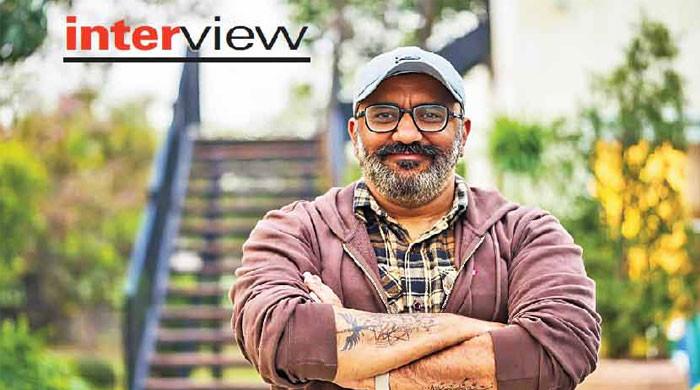
Mohsin Kazi, the driving force behind The Karachi Drum (TKD), speaks about how a protest movement evolved into a practice of healing and connection.
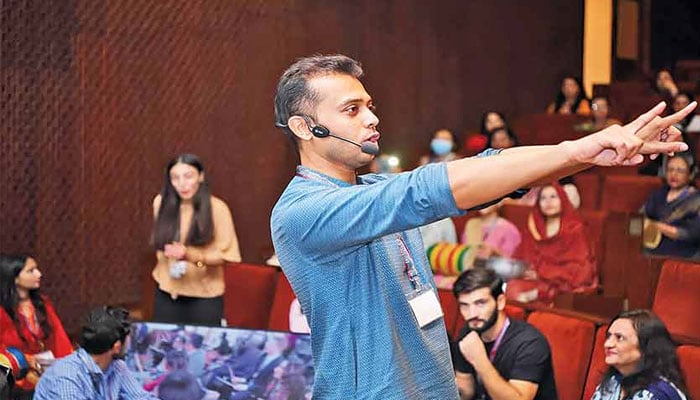
Mohsin Kazi, the driving force behind The Karachi Drum (TKD), is a survivor of addiction who has transformed his own healing into a community resource. With a background that includes BVS Parsi High School, LUMS, IBA and a mindfulness certification from UC Berkeley, he bridges academic theory and grassroots somatic practice.
In a city under constant strain, The Karachi Drum offers an unlikely form of release through rhythm and collective play.
His team aims to spark a sense of zinda (aliveness) in a city weighed down by instability and stress. Through TKD, they utilise the drum, grounding their work in local Jamaliati (aesthetic) traditions and Urdu kalams rather than imported trends.
In this conversation, Mohsin Kazi reflects on how TKD sparked a journey and allowed him to help others.
Instep: You’ve been running The Karachi Drum (TKD) for a decade now. Looking back to 2016, how did this movement actually begin?
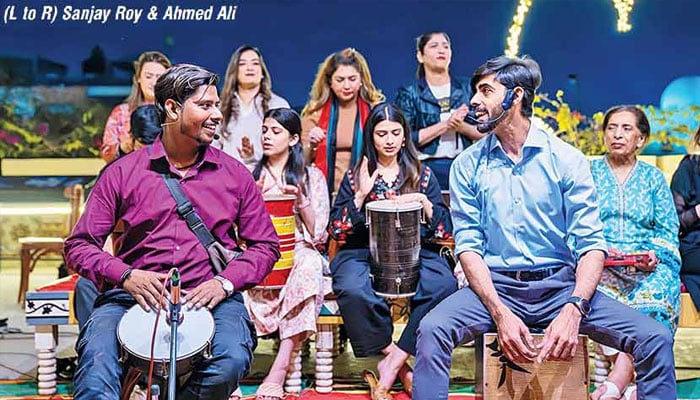
Mohsin Kazi (MK): TKD was born during a time of collective unrest. It began after the passing of Sabeen Mahmud, slain activist and founder of The Second Floor (T2F). My friend Ibadullah Sheikh started bringing drums to protests at Do Talwar, a monument in the city. Playing with others gave him a sense of release from grief. He noticed that even in moments of collective heaviness, drumming allowed people to let go. They left feeling lighter, able to eat, sleep and breathe again. When the circle moved to The Second Floor (T2F), I was there from the beginning. Ahmed Ali and Sanjay Roy later joined as the core team. What started as a way to cope gradually became a bridge between individual suffering and communal healing.
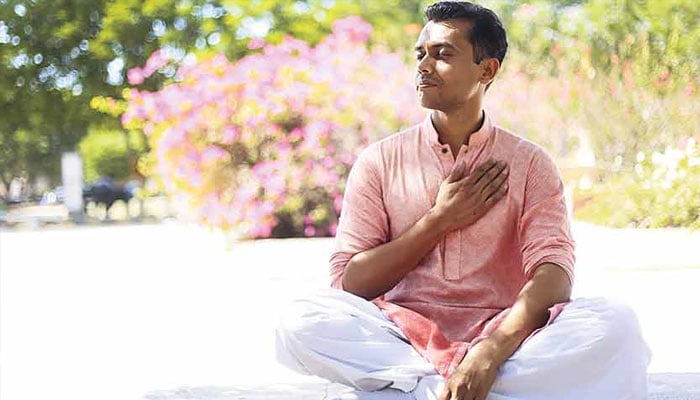
Instep: You have been very open about your personal struggles during that period. How did this form of drumming help you navigate your own path?
MK: For me, this wasn’t just a project, it was my salvation. I had spent years struggling with drug addiction. By 2016, I was about 30 days clean, but I had forgotten how to exist in a world without substances and was suffering from crippling social anxiety. I almost didn’t go to that first session at T2F. I stood outside for a long time, on the verge of a panic attack. Eventually, I walked in, kept my eyes down and picked up a drum. That first session changed everything. The drum didn’t care about my past or my anxiety, it only cared about the rhythm. That moment led to a decade of commitment and eventually to my taking over the project.
Instep: What is the underlying purpose of your work in a city like Karachi?
MK: The goal is simple: to help people feel alive. Karachi is under constant pressure, both economic and social, along with uncertainty and daily stress. Many people feel emotionally depleted. Through rhythm and creativity, we try to bring that sense of life back. Joy isn’t a distraction, it’s a form of resilience.
Instep: Why do you think com-munal drumming is so effective as a form of therapy?
MK: It bypasses the analytical mind. When people are stuck in grief or trauma, they often get trapped in thought loops. Drumming shifts attention to the body. It engages the limbic system and helps release tension. You don’t need words or training. You just need to listen. As people stop trying to perform and begin listening to each other, they naturally synchronise. It becomes a shift from a state of stress to one of connection.
“TKD was born during a time of collective unrest. It began after the passing of Sabeen Mahmud, slain activist and founder of The Second Floor (T2F). My friend Ibadullah Sheikh started bringing drums to protests at Do Talwar, a monument in the city. Playing with others gave him a sense of release from grief. He noticed that even in moments of collective heaviness, drumming allowed people to let go. They left feeling lighter, able to eat, sleep and breathe again. When the circle moved to The Second Floor (T2F), I was there from the beginning. Ahmed Ali and Sanjay Roy later joined as the core team. What started as a way to cope gradually became a bridge between individual suffering and communal healing.” – Mohsin Kazi on the origin of The Karachi Drum (TK)
Instep: Why the drum? Why not other instruments?
MK: The drum mirrors the human heartbeat. Unlike melodic instruments, which require skill and can trigger perfectionism, the drum is immediate and accessible. It allows for direct physical expression rather than calculation.
Instep: How exactly does the drum experience help participants process their emotions?
MK: Each session follows a simple arc: regulate, release and reconnect. First, participants settle into a steady rhythm. Then comes the physical release through playing. Finally, the group synchronises, creating a shared experience. The result is a collective exhale, something the city rarely allows.
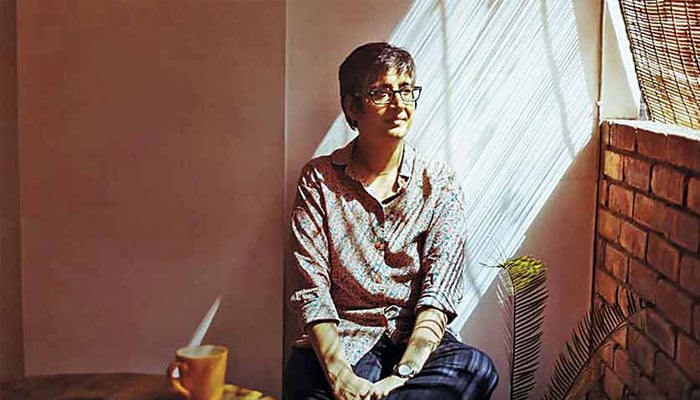
The slain Sabeen Mahmud, founder of T2F in Karachi.– Photo by Tonje Thilesen
Instep: Your sessions are known for being playful, even in corporate boardrooms. Why is that important?
MK: We intentionally bring in play. Nursery rhymes like ‘Nani Teri Morni’ or ‘Lakday Ki Kaathi’ signal a shift out of the formal world. We tell people to return to a childlike state, even briefly. At first, people resist, especially in corporate settings. But once they start laughing, the tension breaks and creativity follows. Fun isn’t separate from wellbeing, it’s part of it.
Instep: Your work bridges very different social spaces, from Lyari to corporate boardrooms. How do you maintain that connection across such different groups?
MK: At a basic level, rhythm is universal. Regardless of background, people respond to it. By focusing on that shared human element, the work remains consistent across spaces. Titles and identities fall away and what remains is a collective experience.
Instep: You’ve taken this work from T2F to corporate organi-sations and even international stages like Bali. How do you keep it accessible?
MK: Accessibility is a priority. We keep sessions affordable and open to all. Whether it’s TDF Ghar, a university or a community space, everyone is equal once they pick up a drum. We’ve also kept the work rooted in local culture. I don’t use English songs. We work with Urdu kalams and regional rhythms. It’s about reconnecting people with their own traditions.
Instep: You emphasise the impor-tance of reclaiming our roots. Why is that central to your philosophy?
MK: We’ve become disconnected from our own cultural wealth. There’s a tendency to look outward instead of inward. I want people to reconnect with local traditions, language and artistic forms as well as writers like Deputy Nazir Ahmed or Munshi Premchand. It’s about recognising that we already have what we need.
Instep: Can you describe how you facilitate participation, espec-ially with large or diverse groups?
MK: I use simple, inclusive structures. We divide people into groups like ‘Team Egg’ and ‘Team Paratha’ and assign interlocking rhythms. Then we build through call and response patterns. It works across all kinds of groups. People arrive stressed and leave lighter. That shift is the goal.
Instep: You’ve mentioned that men often seem particularly hesi-tant to join in. Why do you think that is?
MK: Men are often conditioned to suppress playfulness in order to appear serious. That makes it harder for them to engage at first. But once they do, the shift is visible. They move from holding tension to expressing themselves more freely.
Instep: You’ve navigated some incredibly dark times. What is the core message you hope people take away?
MK: If I could find my way back, others can too. I spent years struggling before finding this path. For me, the drum became a way to heal through service. The aim is not only to teach rhythm but to remind people that they are still here and still capable of feeling alive, even in difficult circumstances.