Print Story
X




Jalal Chandio is remembered for bringing traditional music to ordinary people
| I |
n the musical world of Sindh, where many great singers had already made their place, it was never easy for a new voice to be heard. When Jalal Chandio stepped forward with an ektara in one hand and khartal in the other, he entered an arena full of strong and established performers. Artists like Manzoor Ali Khan had already set high standards. Sufi singers and folk performers were an essential part of fairs, gatherings, and weddings across Sindh. At the same time, radio and cassette culture were dominated by Noor Jehan, Inayat Hussain Bhatti, Alam Lohar and Attaullah Khan Esakhelvi.
Chandio did not belong to a musical family. He grew up among livestock. From a young age, he was looking after cattle. The sound of bells tied around their necks was a part of his daily life. He quietly developed a sense of rhythm and music. It took time for people to accept him as an artist.
A strong influence in his life was the radio. He became deeply interested in songs, ghazals and melodies he heard on the radio. His father wanted him to become a tailor, but when he sat in the tailor’s shop, his attention stayed on the radio instead of stitching. Eventually, his interest in music grew stronger than everything else.
A turning point came when Chandio met Ali Gul Mehr, who trained him and gave him direction. He placed the ektara in his hand and taught him singing. In the beginning, Chandio struggled. He would go to popular fairs and wait for hours for his turn to perform. Sometimes he got a chance to perform; sometimes he returned without singing. Whenever he got to perform, people liked what they were hearing. Soon they started making requests for more songs. Chandio used to say that where other singers would sing one song, he would sing two or three, just to keep the audience engaged.
At first, Jalal Chandio sang mostly Sufi poetry. With time, as his popularity increased, he also sang tunes inspired by Lata Mangeshkar and Muhammad Rafi. He would make a point of saying which songs were original and which were inspired.
Chandio’s way of singing continued through others, but his identity stood out. He played an important role in bringing the ektara back into popular use, connecting traditional music with ordinary people.
Soon, his voice could be heard on buses, trucks, highways, tea stalls and small restaurants. His songs were no longer limited to live stage—they became part of daily life. Whether it was the energetic rhythm of Zulf da Kundal Khullay Na, the emotional tone of Chan Meray Makhna or the familiar style through which he adapted popular tunes like Jhanjhar Di Pawan Jhankar and Teray Naal Milaiyan Akhiyan, his voice connected instantly with listeners. These were not just songs; they were moments people carried with them on long journeys and quiet evenings.
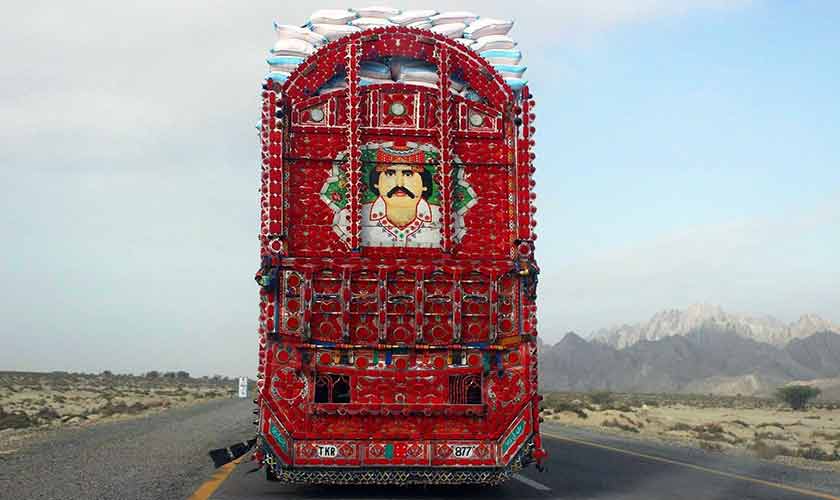
People started inviting him to perform at weddings. Large crowds gathered wherever he went. Many would attend just to listen to him, even if they were not invited. Even truck art began to show his image along with figures like Ayub Khan and Zulfikar Ali Bhutto.
Chandio was not only known for his singing but also for his style. The way he wore his Sindhi cap and dressed became quite popular. It is often said that when he wore a Rado watch, it became a trend.
During his career, a large number of recordings were produced. He sang in Sindhi as well as Seraiki, Balochi and Urdu. Lacking formal education, he memorised a large number of songs and performed with unmatched confidence.
Chandio also attracted criticism. Some people did not agree with the way he expressed the themes of love in his songs.
He sang not only popular poetry but also the work of some great Sufi poets, including Shah Abdul Latif Bhittai.
Many artists started singing in a similar style using the ektara and khartal. Chandio’s way of singing has been adopted by many, but his identity stands out. He also had an important role in bringing the ektara back into popular use, connecting traditional music with ordinary people.
The writer is an assistant director in the Election Commission of Pakistan