Print Story
X




The ways the drama industry has evolved and regressed over the recent decades
| T |
he first quarter of the 21st Century witnessed a quiet revolution in Pakistan’s media landscape, sparked by deregulation during the Musharraf era. This shift led to an unprecedented surge in private television and radio channels—often described as a “mushroom growth.”
While Pakistani drama has long been considered superior in storytelling and emotional depth, global recognition followed only when thevolume increased. With the advent of YouTube, their reach transcended borders, gaining immense popularity not only among overseas Pakistanis but also among international audiences.
A quarter of a century is ample time for anindustry to evolve or regress. In recent years, the drama industry has undergone noticeable changes, particularly in the nature of its content and shifts in acting and directorial styles.
Let us first address content. When production is limited, a certain quality threshold comes naturally. But when content is produced in abundance, quality can sometimes get compromised. This is what happened.
When PTV was the sole platform, strict selection ensured that only well-written projects made it to air. Today, with numerous channels competing for viewership, writers produce a wide range of content, and audiences are inundated with choice.
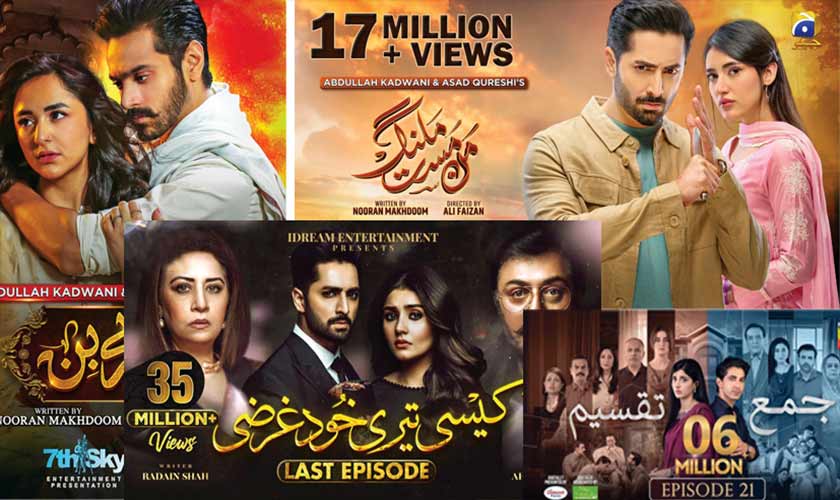
In this environment, dramas such as Tere Bin and Mann Mast Malang, too, can succeed. While these examples may be extreme, many TV dramas these days thrive on mediocrity. Content actually worth a watch remains rare.
One might have hoped that with time, greater exposure to international media and increased education, the quality of storytelling would improve. Unfortunately, for the most part, the opposite has occurred. This is not to suggest that there have been no dramas of substance; only that they are few and far between. Moreover, they rarely garner the popularity enjoyed by sensationalist shows such as Kaisi Teri Khudgharzi.
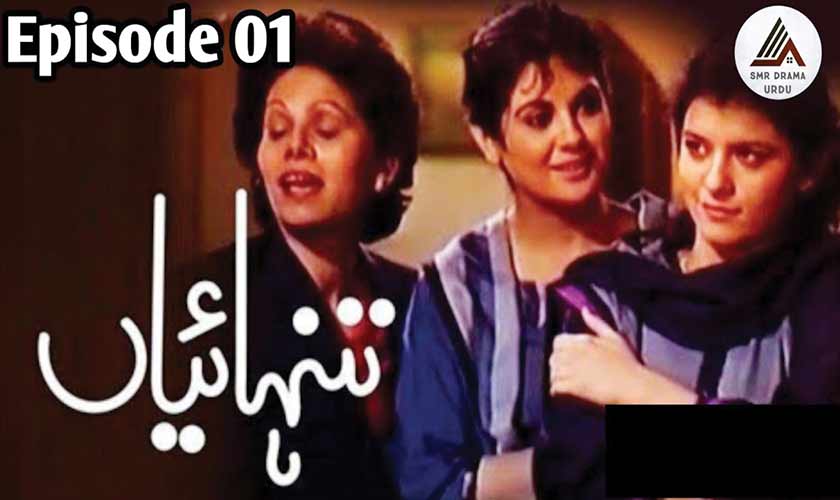
Character development has been on the decline. From nuanced characters like Zara in Tanhaiyaan—played by Shahnaz Sheikh—we have descended to portrayals such as Khirad and Meerub: stereotype damsels in distress.
Zara was never presented as a “modern woman” by superficial contemporary standards. She chased her dreams, took ownership of a failing business and transformed it through resilience and intelligence. But was she a villain? No. Was she sad and lonely? No. Did the writers feel the need to dress her in Western attire? No. Yet she was the epitome of a modern woman. Despite being written decades ago, Zara embodied modern womanhood effortlessly and authentically. The message was conveyed subtly, without slogans or forced feminist rhetoric—unlike some more recent portrayals, such as in JamaTaqseem, where Sidra’s final dialogue felt unnecessarily preachy.
While technical aspects of production and direction have improved with advances in technology, the art of storytelling appears to have suffered. Dramas from the early 2000s—whether on PTV or private channels—featured smooth narrative flow and organic scene transitions. Today, scenes are frequently disrupted by abrupt edits, coincidental interruptions and phone calls that halt conversations mid-way. Even critically acclaimed recent plays like JamaTaqseem suffer from such issues. These interruptions break the emotional momentum, particularly for viewers watching on YouTube. Whatever effect the creators intend to achieve through such fragmentation is lost; rather than enhancing the experience, it detracts from it.
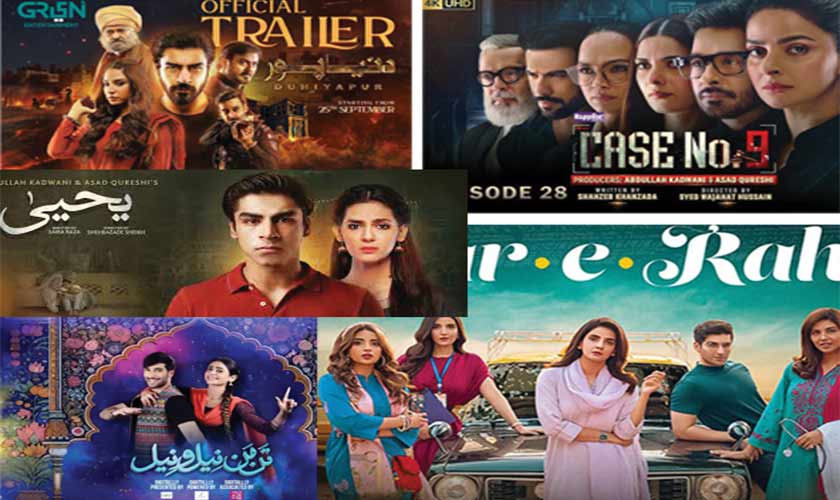
Despite this downward trend in certain areas, the industry has recently shown a willingness to experiment. In the past, most plays concluded within twenty episodes, with only soap-format shows extending beyond that number. More recently, however, short-format dramas such as Sar-i-Rah, Tan Man Neel o Neel and Yahya have successfully wrapped up their narratives within ten episodes. These productions featured sharp dialogues, crisp direction and tight editing, free from unnecessary characters or filler scenes. This shift may reflect an effort to attract younger audiences—viewers with shorter attention spans and endless entertainment options—making this experimentation a step in the right direction.
Another notable development is the institutionalisation of Ramazanplays. What was once an occasional project has now become an annual tradition, culminating on Eid. Audiences expect light-hearted Ramazan shows, typically rom-coms and channels compete aggressively in this space. Yet quality has declined here as well. Compare the natural spontaneity of Saima Chaudhry in the Baraat series with the uninspired storytelling of Ishq Di Chashni. While shows like SunoChanda (to an extent) and IshqJalebi stood out for genuine humour rather than chaotic noise, the majority lack the substance and wit essential for effective comedy.
Given the sheer number of channels today, the industry has ample room to experiment with diverse narratives and characters. It must move beyond the repetitive household setting and explore themes such as careers, friendships and personal growth. It must reclaim substance, refine diction and revive the beauty of the Urdu language—perhaps even venturing into regional languages and dialects.
Pakistani dramas have established themselves as superior in storytelling compared to their regional counterparts. The need of the hour is introspection; perhaps even a return to the roots, rather than imitation of Western or Eastern trends.
The industry has produced timeless masterpieces such as Daam, Kankar, Udaari, Malaal, Kabuli Pulao, KhudaMeraBhiHai, DilNaumeedTouNahin; and more recently, Duniyapur and Case No 9. Pakistan has a rich legacy of classic dramas—one that today’s creators must honour, preserve and uphold the legacy of.
The writer is a reviewer and critic based in Karachi. She can be reached at [email protected]