Print Story
X

| F |
or the young Lahoris of today, Basant is not a lived memory but an inherited one.
I belong to a generation that did not grow up celebrating the festival. My understanding of Basant comes largely from my elders’ recollections and photographs preserved in family albums. These images show crowded rooftops, skies marked by colour and a city visibly united in celebration. Until now, Basant has been for us a story rather than an experience.
For nearly two decades, the festival has been absent from Lahore’s cultural calendar due to serious safety concerns. The ban had followed fatal incidents linked to unregulated kite flying, particularly the widespread use of metal and chemical-coated string. The decision was taken in the interest of public safety. However, it also resulted in the disappearance of one of the city’s most recognisable cultural expressions. Basant survived in memory, often recalled with nostalgia but rarely discussed without reference to the tragedies that led to its suspension.
This year marks a significant shift in policy and approach. The Punjab government has allowed Basant to return under a regulated framework, following the issuance of formal notifications and the introduction of a revised legal structure governing kite flying. Unlike in the past, when celebration often outpaced regulation, this revival places safety at the centre of the festival’s reintroduction.
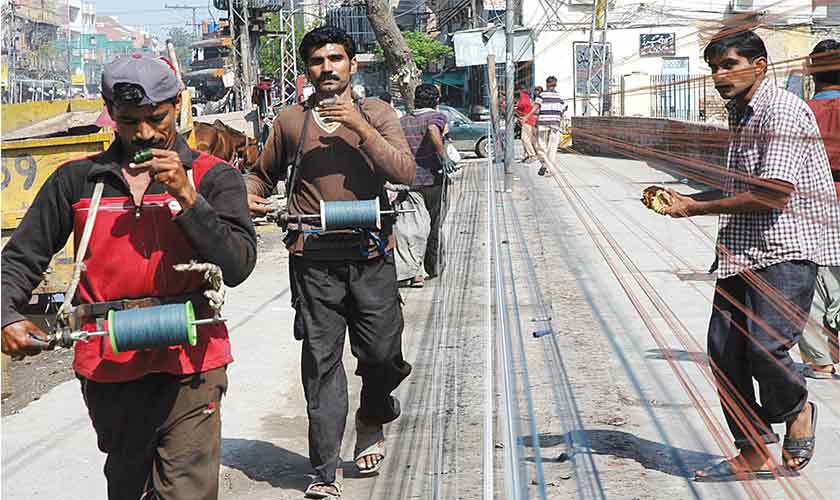
Under the Punjab Kite Flying Ordinance and subsequent official notifications, the government has laid down detailed conditions for how Basant is to be observed. Hazardous kite string, including any material containing metal, glass or chemical coatings, remains prohibited. The authorities have been directed to act not only against users but also against manufacturers and sellers. The regulatory focus extends across the supply chain, reflecting a preventive rather than reactive approach.
For those experiencing Basant for the first time, this moment is significant not only because it promises to recreate the past, but also because it will allow the city to move forward with awareness and restraint.
Provincial and city administrations have also issued instructions to law enforcement agencies, traffic police and emergency services to remain on high alert during the festival period. Public awareness campaigns have accompanied these measures, urging citizens to participate responsibly and recognise that the revival of Basant depends on collective adherence to safety protocols.
For the first time, many in my generation will experience Basant directly rather than through stories and photographs. This first encounter is shaped by anticipation but also by awareness. The government’s notifications serve as a reminder that celebration today must be informed by the lessons of the past, balancing cultural expression with responsibility.
Responsible Basant is not a departure from tradition but an evolution of it. If the proposed measures are implemented effectively and supported by public cooperation, the festival’s revival may offer a sustainable model for preserving cultural practices within modern urban constraints.
As February approaches, Lahore once again has the opportunity to engage with a tradition that has long defined its cultural identity. For those experiencing Basant for the first time, this moment is significant not only because it promises to recreate the past, but also because it will allow the city to move forward with awareness and restraint.
Hussain Ali Sikander is a student of law