Print Story
X

| T |
he events surrounding December 16, 1971, have long remained seared in our collective memory. These will continue to haunt the nation for as long as it follows the familiar trajectory. However hard we may try to put the biggest trauma lived thus far behind us, the day will unsparingly ignite dark sentiments of loss and betrayal. Most importantly, it will—whether we like it or not—continue revealing the mortal collapse of leadership in the country at a time we needed it the most. Hauntingly, the day offers us an opportunity to revisit our failings as a nation and see if we are behaving any different—or better. Are we any wiser after the event may sound clichéd but it’s still the most vital question of the day. It has added significance this year, indeed warning, for those in positions of power and influence. Had there been a multi-layered leadership in Pakistan in 1971 as opposed to the concentration of power in some one-dimensional few, things would have been different. Not too different, some might argue.
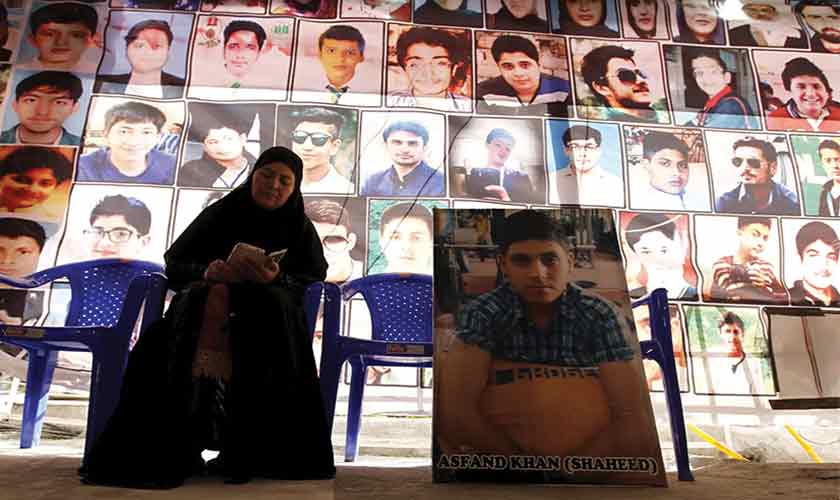
Seen from both global and Pakistani perspectives, December 16 has had loud reverberation. In South Asia, it marks the emergence of Bangladesh and the end of the 1971 war. December 16 is also remembered as the day of the tragic 2014 Army Public School, Peshawar, attack.
For Pakistan and its people, both these tragedies continue to add to the general sinking feeling.
Repeated foreign policy missteps in the past and the intensifying obsession with absolute power are two powerful drivers of instability and incoherence in the country.
Half a century on, we are again at an impasse. There is stifling of independent voices and emasculation of the Judiciary. Castles of impunity are being built around positions of power. Nothing could be more self-defeating than this. The most unfortunate aspect of it is the timing: this is happening just when you expected magnanimity and display of confidence and generosity of spirit.
Here’s why we think the timing matters more than anything else.
The quest for power, indeed unbridled power, comes at a time when people had just experienced some resurgence of national pride and confidence. In early May this year, the country’s armed forces demonstrated both bravery and excellence in beating back Indian aggression. It was a convincing performance by the battle-hardened Army and the Air Force. The world, including the cocky Indians, was in for a surprise. Relentless training and skillful strategy based on the latest technological advances delivered more than a bloody nose to the Indians: it pushed New Delhi down the hierarchy of strategic powers. Pakistan gained a new strategic heft in the region and the great powers were forced to accept its enhanced geo-political status. The power dynamic shifted. It would indeed be years before the Indians would be able to plug the obvious gaps in strategy and ability. Pakistan, on the other hand, is likely to move on to higher motivation and strategic competence.
The setting was perfect: the armed forces had effectively reclaimed their sense of honour and professionalism. The enemy stood stymied across the border, too. Now how do we transform this victory into some sort of a triumph for the people, most of whom have been battling increasing poverty and deprivation?
To the idealists among us, the moment couldn’t have been more appropriate for giving the country the right direction, setting the economy on an even keel and shifting the focus from self-seeking politics to embracing the top national interest: rule of law and strengthening of democratic institutions. Instead, the opposite happened—a case of deja vu.
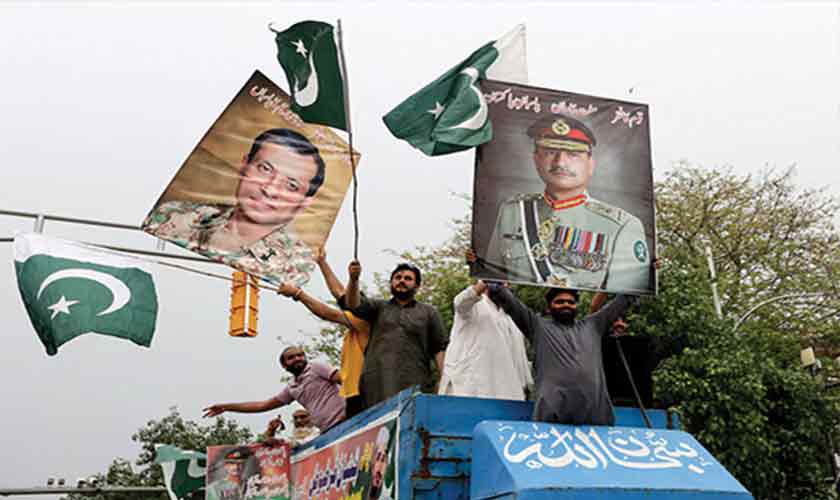
The moment of redemption was here. But the lure of power—absolute power—proved too much for any notion of fair play and due process to take root. When we repeat one mistake, it is not a mistake any longer, says Paulo Coelho. One is tempted to view the recent month’s fast unfolding events in Pakistan through the great writer’s prism. Yet, another revealing voice rings louder in our heads: “A mistake repeated more than twice becomes a habit. A mistake repeated more than three times becomes character.”
This is chilling. Hopefully, we will be able to skirt around that prognosis.
The war against terrorism continues unabated. It had the armed forces spread in a battle mode throughout the year. This is not a normal situation. There is the added challenge: the confluence of interests between New Delhi and Kabul. The situation calls for normalcy at least in the day-to-day running of the country. There is absolutely no room for treating the constitution nonchalantly. The country could have done without the 27th Amendment and restructuring of the top military leadership. Why shake the foundations?
Curbs on independent media entered another ugly phase last week with Dawn newspaper and its media affiliates slapped with a ban on government advertisements. This is a knee-jerk strategy. Or is it part of a plan to impose what seems like a medieval mindset? Where is the average citizen’s interest in all this? Experience has shown that when you try strong-arming an independent publication it suffers a temporary blockage of funds, but its popularity among its readers soars. Obviously, there is an imperative for keeping this country breathing normally. In the end, punitive steps invariably fail.
There is a steep price for the nation to pay for every dramatic lurch to the right or left. Let’s stabilise national institutions and follow the global best practices. Individual quests are welcome, but only in private sphere. Concentration of power in fewer hands is sure to rock the boat and fritter away gains made earlier this year in the battlefield.
The writer teaches media writing at the Lahore University of Management Sciences.