Print Story
X




The APS massacre in 2014 brought together a divided nation. Eleven years on, the vigilant battle continues
| I |
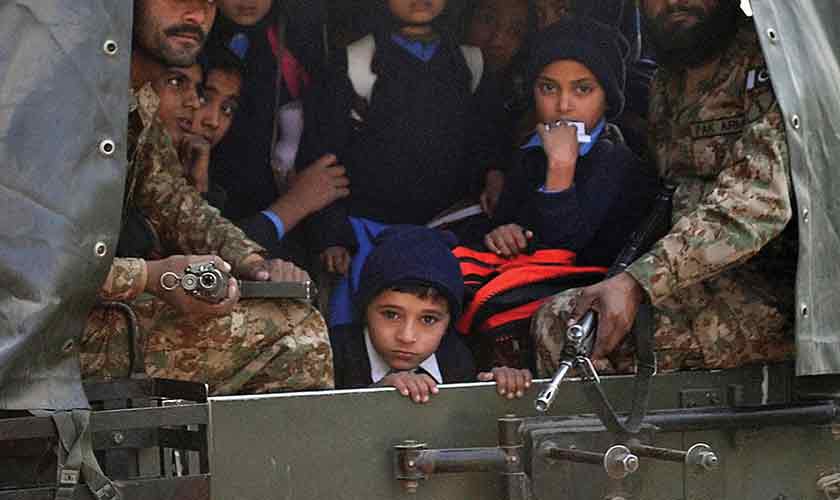
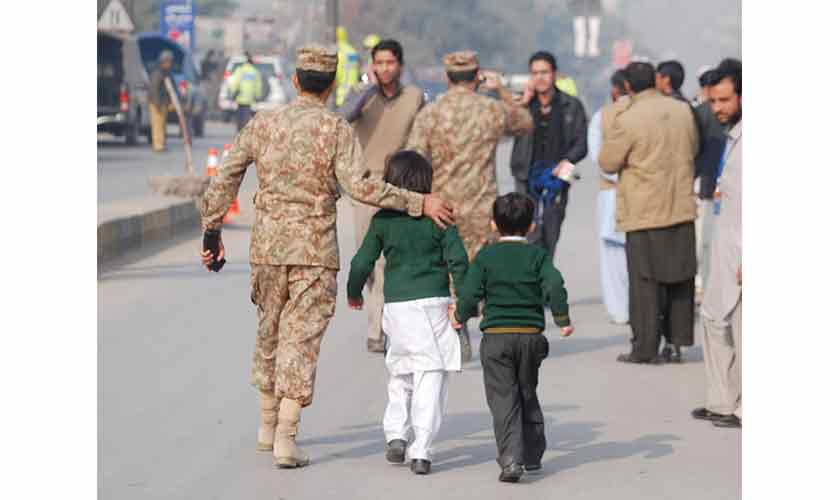
t was a typical winter morning in Peshawar on December 16, 2014. The sky hung heavy with partial cloud cover and a thick haze reduced visibility to about one mile, casting an eerie pall over the city. Children bundled in their uniforms hurried to school. Parents exchanged hurried goodbyes and the rhythm of daily life in Khyber Pakhtunkhwa’s bustling capital seemed uninterrupted. Beneath this normalcy lurked a horror that would scar Pakistan forever. Reports began trickling in from various sources: a loud explosion, resembling a hand grenade blast, was being reported at the gate of the Army Public School on Warsak Road. Initial television bulletins flashed alerts, reporting an attack on the school with casualties estimated at around five children by the afternoon. Security forces moved in swiftly, and by dawn the next day, the school had been cleared.
No one had anticipated the scale of the devastation that unfolded that day.
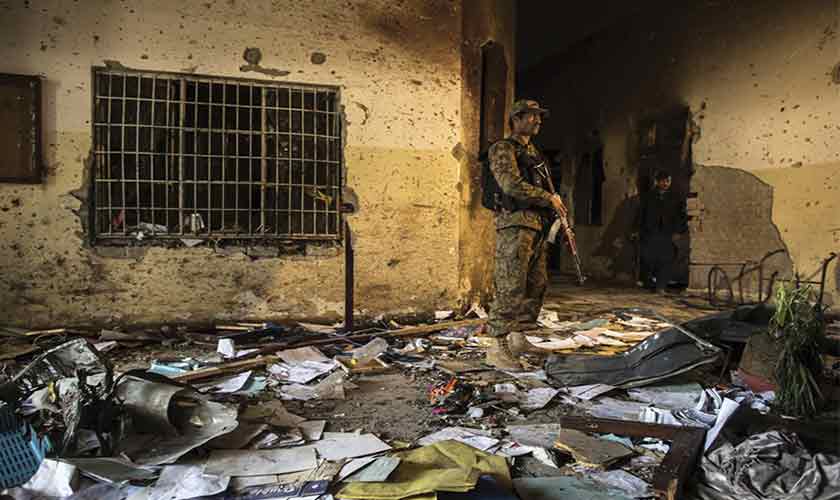
As the dust settled, then-chief minister Pervez Khattak announced at a press briefing that more than 100 children had been martyred. Journalists and viewers alike hoped that it was a slip of the tongue, but Khattak confirmed the grim figure. The final toll was 149 people killed, including 132 children and 17 school staff members. The perpetrators were six to seven gunmen from the Tehreek-i-Taliban Pakistan—a militant group that claimed responsibility, saying the assault was retaliation for military operations against them. The assailants, dressed in military uniforms, had scaled the school’s walls, entered classrooms and methodically gunned down students and teachers in an eight-hour siege. Eyewitness accounts described scenes of unimaginable brutality: children hiding under desks, teachers shielding pupils with their bodies and militants shouting slogans as they fired indiscriminately.
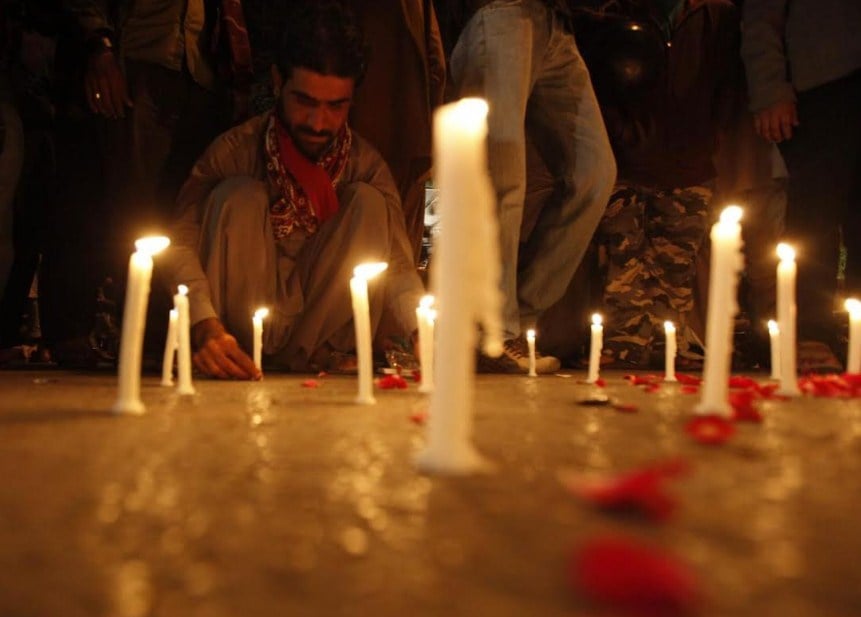
The world recoiled in horror. Global leaders condemned the attack. The United Nations called it a “heinous crime” and emphasised the need to bring the perpetrators to justice. In Pakistan, the tragedy became a turning point. The nation, often divided by politics and ethnicity, stood united against terrorism. Candlelight vigils were held across cities, from Karachi to Lahore, as parents hugged their children tighter and schools observed moments of silence.
Grief transcended borders. Even in India, prayers were offered for the victims at schools. However, bilateral tensions would later resurface with accusations of cross-border sponsorship of terror. As survivors later recounted in interviews, the attack left indelible psychological scars.
In the immediate aftermath, the government scrambled to respond. Educational institutions nationwide were instructed to bolster security—building higher walls and installing CCTV cameras; armed guards became mandatory. Crucially, the attack catalysed the formulation of the National Action Plan, a 20-point strategy unveiled in December 2014 to comprehensively combat terrorism. The NAP included measures like establishing military courts for swift trials of terrorists, a crackdown on hate speech and extremist literature, regulating madrassas, and curbing terror financing.
Implementation, however, was uneven. While military courts expedited convictions—leading to the execution of four militants involved in the APS attack by 2015—critics pointed to gaps in addressing root causes of terrorism including socioeconomic disparities and religious extremism. A quantified analysis later showed progress in areas like madrassa regulation but highlighted failures in socio-economic reforms.
While military courts expedited convictions, critics pointed to gaps in addressing root causes of terrorism including socioeconomic disparities and religious extremism.
The then-army chief, Gen Raheel Sharif, had already launched the Operation Zarb-i-Azb in June 2014, which targeted militant strongholds in North Waziristan and other border regions with Afghanistan. The operation displaced nearly a million civilians but dismantled key TTP infrastructure, killing thousands of militants and destroying hideouts. By 2016, it was declared successful as terrorist attacks dropped sharply.
The APS attack underscored the need for sustained action. The main perpetrator, identified as Umar Mansoor (also known as Naray), was killed in a drone strike in Afghanistan in 2016. Under pressure, many militants fled across the border, resulting in a temporary lull.
Just over a year later, on January 20, 2016, four gunmen attacked the Bacha Khan University in Charsadda, about 30 miles from Peshawar. The assault, claimed by a TTP faction, killed 21 people, including students and a professor, during a poetry recitation event commemorating Pashtun leader Bacha Khan. Foggy weather aided the attackers’ entry, but rapid response from security forces, including university guards, thwarted a larger massacre. Vigils followed, as did global condemnation and there were renewed fears of targeted attacks on education. By 2017, however, terrorism had declined markedly, with fewer incidents and casualties. The improvement was attributed to Zarb-i-Azb and the NAP.
Years on, revelation by insiders paint a picture of preventable lapses. A police officer, speaking anonymously, disclosed prior intelligence warnings about threats to educational institutions in Peshawar. An inspection of APS revealed uncooperative administration, inadequate perimeter security and lack of emergency protocols. These shortcomings were recorded in a judicial inquiry ordered by the Supreme Court in 2018. The commission, led by a Peshawar High Court judge, found intelligence failures, poor coordination between agencies and negligence by school authorities. Its recommendations included better intelligence sharing, mandatory security audits for schools and accountability for lapses. Some of the recommendations, such as fortified school boundaries and teacher training in crisis response, were implemented. Families of the victims continue to demand full transparency and justice.
The peace, however, proved fragile.
Successful military operations pushed militants into Afghanistan, creating an opportunity for Pakistan to consolidate gains through governance reforms in tribal areas—merging them into Khyber Pakhtunkhwa, building infrastructure and strengthening local police. However, the Pakistan Tehreek-i-Insaf government, in power from 2018 to 2022, squandered the opportunity. Following the US withdrawal from Afghanistan in August 2021, the government adopted a controversial policy of repatriating and reintegrating militants, ostensibly to facilitate peace talks. This emboldened militant groups like the TTP, which regrouped under the Afghan Taliban shelter. By 2022, attacks had surged, particularly in Khyber Pakhtunkhwa and Balochistan.
Recent years have seen a grim resurgence. In 2023, terrorism incidents rose over 50 percent from the previous year. In 2024, 358 security personnel were martyred in targeted attacks. By mid-2025, Khyber Pakhtunkhwa alone reported nearly 300 attacks—over two per day—killing hundreds, including in operations against TTP hideouts. A 25 percent increase in terror attacks in 2025 underscores the vulnerability, fuelled by cross-border incursions and internal facilitators. The federal government launched a new anti-extremism policy in February 2025 focusing on curriculum reforms, social media monitoring, and community deradicalisation, but political differences remain. The provincial government still prefers dialogue with the TTP.
Eleven years on, Pakistan remembers the APS massacre with solemnity. President Asif Ali Zardari’s message reiterated zero tolerance for terrorism, condemning external sponsors and vowing to defeat facilitators. From vigils honouring APS principal Tahira Qazi’s heroism to calls for justice, tributes honour those lost that day. Every year, families, like those in Peshawar, transform grief into advocacy, pushing for better education security.
The APS massacre was an assault on Pakistan’s future. Eleven years later, the nation’s resolve must translate into action: complete implementation of the NAP, cross-border diplomacy and unity against extremism.
The writer is a Peshawar-based journalist, researcher and trainer. He also works for the digital media platform The Khorasan Diary.