Print Story
X




Examining the health impacts of cyclical floods in Pakistan
| O |
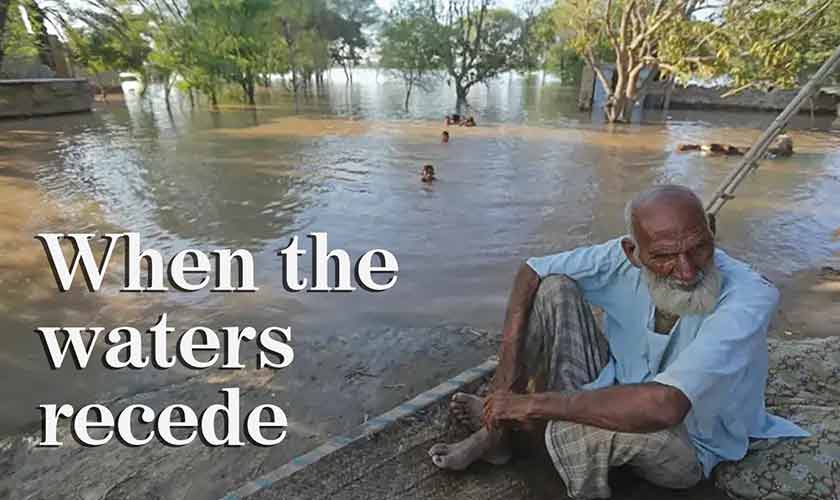
nce again Pakistan faces a deluge, perhaps not as bad as the 2022 ‘monsoon on steroids,’ that affected nearly 33 million people, displaced 8 million and cost the exchequer over $30 billion, a disaster from which the country has yet to recover. Unlike the unusual monsoon pattern in July 2022, heavy rains and cloudbursts in the north this year triggered massive flash floods, glacial lake outbursts and landslides leaving widespread destruction in their wake. Concomitantly, the heavy rains in northern India resulted in floods, dam breaches and release of flood waters in the Sutlej, Ravi and Chenab Rivers in the Punjab. While there was much concern about widespread flood damage and displacement in Sindh, to date this has been limited in scale. While Sindh may have dodged the bullet this time, the overall damage in terms of displacements, damaged infrastructure and agriculture losses is still considerable, threatening to completely derail any economic recovery. The health and well-being consequences of the current floods are as yet emerging. These could well increase over time. For now, fatalities stand at over 1,000, with more than 12,500 houses damaged and 6,500 livestock lost in addition to widespread destruction of crops across the country.
Notwithstanding the disagreements as to who is at fault and if the entire fiasco was an act of God, let’s review some of the root causes and measures that could have prevented the widespread damage and human loss. First, widespread deforestation and indiscriminate logging by timber mafias have virtually denuded our mountains. Second, lackadaisical regulation and control of building standards have once again led to widespread building of structures (houses, hotels and schools) on riverbanks, making these the obvious first casualties of torrential waters.
The sad reality is that rampant population growth in Pakistan over the last 70 years has put inevitable pressures on the environment, worsening the impact of climate change. Work by Dr Ammad Qazi, a climate data scientist at the Institute for Global Health and Development, Aga Khan University, using serial remote sensing data for the period 1985-2024 shows that Pakistan lost over 4,000 square km of forest land and range land to human settlements. In low lying areas of the country, especially in southern Punjab and Sindh, building structures and encroachments on flood plains and in the path of storm drains has created a ticking time bomb of human vulnerability. These factors underscore the importance of mitigation and resilience building against climate change, which though a corner stone of national policy, are still exceptions rather than the rule.
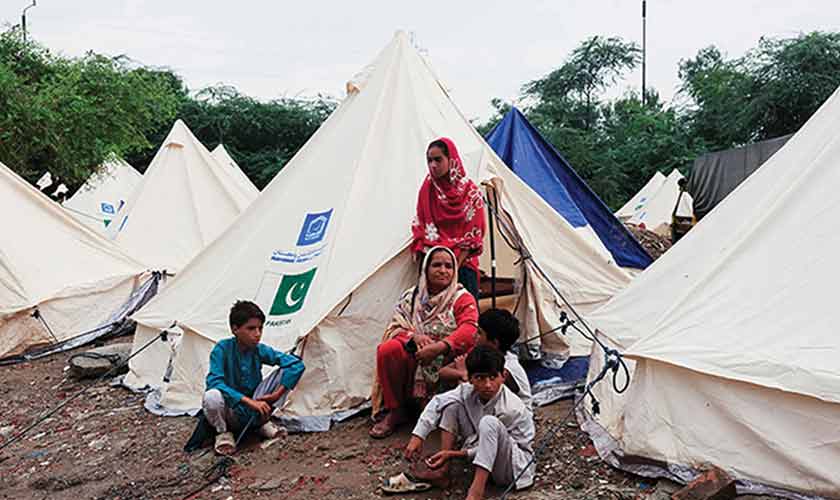
The health impacts of these climate disasters are massive and often neglected. Some of these effects are directly related to the destruction and inundation of health facilities, especially in rural primary care settings serving villages and peri urban populations. In other instances, access to functional facilities and clinics can be restricted by flood waters and damaged infrastructure, an issue equally applicable to health staff and care providers. Less than a third of health facilities in Pakistan are solarised presently (a stark contrast to the growing use of solar generation of electricity at household level and industries). This lack of investment in climate resilient health facilities (related to their safe location, structural integrity, energy sufficiency, water security and stocks/ reserves of essential supplies), is an important bottleneck in developing solid climate resilient health systems, now a national priority.
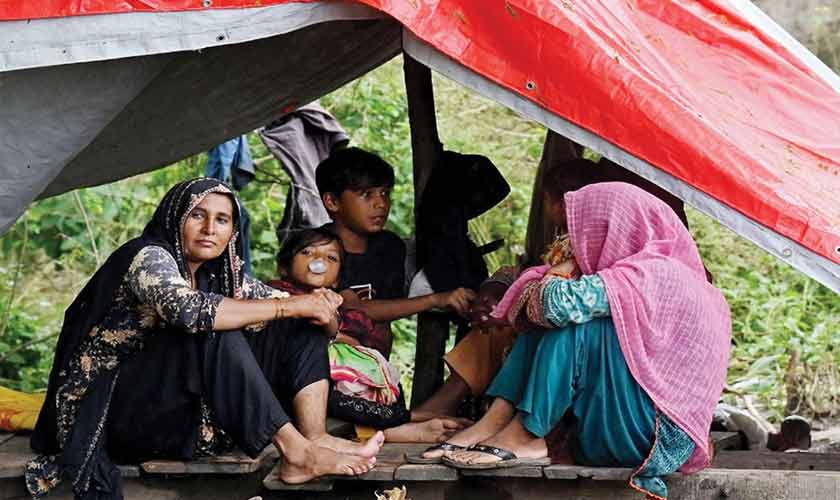
An important focus in the aftermath of floods is prevention of acute infectious diseases and outbreaks, such as diarrhoeal disorders, malaria, respiratory illness, skin diseases and in many urban floodings, the risk of dengue fever. Less well recognised are the vulnerabilities women and children face given the loss of regular services such as antenatal and maternity care, as well as routine immunisations and nutrition support. The impacts of floods and inundation on mortality at a population level and risk of childhood malnutrition are notable with a 46 percent increase in undernutrition (wasting and underweight) rates documented in comparable crises, in many settings.\
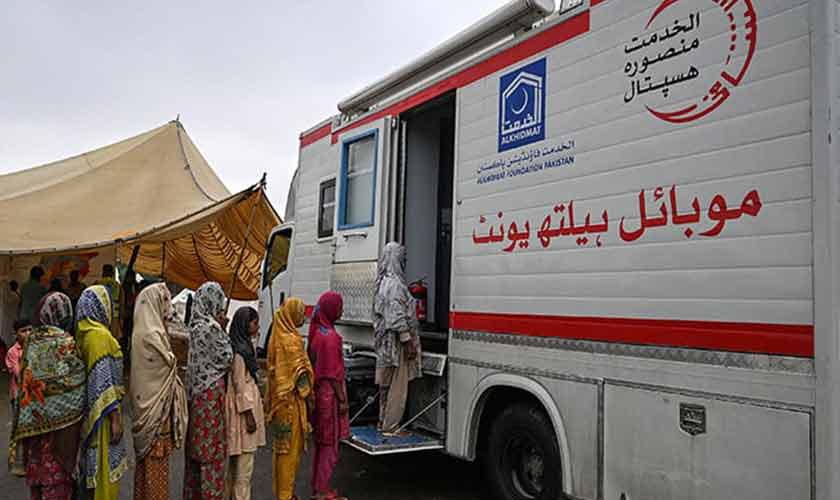
In the aftermath of the 2022 floods and widespread population displacement of vulnerable families, the rise in gender-based violence and loss of essential reproductive health services (such as family planning, counseling etc), were well documented. So was the huge rise in mental health consequences with several studies reporting prevalence rates of extreme anxiety, stress and depression as high as 35-48 percent, an understandable consequence of disrupted lives and livelihood. Less well reported are community and population-based interventions delivered through public health and outreach services that could ameliorate things. It is anticipated that the current floods will have the same impact although the health system is perhaps better prepared with contingency plans, a premise that remains to be tested.
So, what should be done about this?
Perhaps the starting point is adequate climate financing from domestic resources. Pakistan not only lies in a region long considered the epicentre of geopolitical strategic importance but also faces all forms of climate related challenges and risks. These range from extreme heat events to increasing risk of draughts and water shortage, inexorable glacier melting in the northern areas, coastal hurricanes and periodic massive floods and population displacement. While a strong case continues to be made for global efforts for mitigation and financial support towards poor countries at risk, the sad reality is that in an increasingly fractured global climate governance and development scenario, many countries will have to fend for themselves. Pakistan received only a fraction of the promised external assistance following the 2022 massive floods and the brunt will again fall on the already strained national exchequer.
This should be an opportunity for smart planning for climate resilient public health systems as a bulwark against inevitable future crises. Such planning should also be multi-sectoral and in sync with other measures for climate resilience, water conservation and urban planning for safe water; and importantly drainage systems. Pakistan has developed a climate resilient health systems strategy. It needs to be expanded and adapted to explicitly focus on rural and marginalised at-risk urban populations, covering all dimensions of climate challenges that we face. Community education and mobilisation to reduce risks and exposures is needed as no government can ever launch a comprehensive climate adaptation and mitigation response on its own—a lesson that we don’t seem to have learnt from the flood disasters of 2010 and 2022.
The writer is the founding director of the Institute for Global Health and Development, the Aga Khan University South-Central Asia, East Africa and United Kingdom. He can be reached at [email protected].