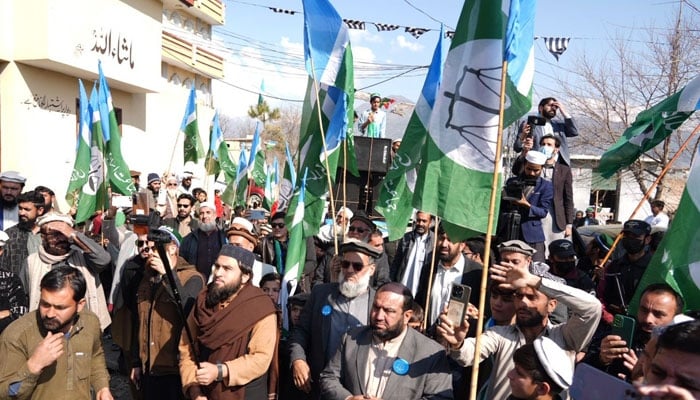
The Jamaat-e-Islami (JI) Sindh on Wednesday announced province-wide protest demonstrations at 400 locations on Friday, July 3, against prolonged load-shedding, expensive electricity, overbilling, and what it termed unjust contracts with Independent Power Producers (IPPs).
Addressing a press conference at the JI Sindh provincial office, JI Sindh Ameer Kashif Saeed Sheikh demanded that the government terminate costly, one-sided IPP agreements, which he said had placed an unbearable financial burden on the public.
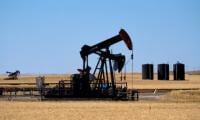
He said the people of Sindh were facing corruption, inflation, an acute shortage of canal water, lawlessness, prolonged electricity and gas load-shedding, and a lack of basic public facilities. Saeed said that despite contributing nearly 70 per cent of the country’s revenue, producing 72 per cent of its natural gas and 58 per cent of its oil, possessing vast reserves of Thar coal, granite and marble, and hosting major trade ports, Sindh continued to be deprived of clean drinking water, motorways and other essential infrastructure. He criticised the federal government for constructing motorways in other provinces while ignoring the long-awaited Hyderabad-Sukkur Motorway project.
He further said that despite electricity being generated from Thar coal, many areas of Sindh continue to endure 18 to 20 hours of daily load-shedding. According to him, prolonged power and gas outages had made life miserable for residents, damaged businesses, and severely disrupted students’ education.
Referring to recent outages, he said the provincial authorities failed to restore electricity after minor dust storms in the Sukkur and Larkana divisions, leaving several districts without power for nearly a week and causing severe hardship. He added that residents were often forced to collect donations to replace burnt transformers.
Saeed alleged that line losses and electricity theft were passed on to consumers through excessive load-shedding and inflated electricity bills, while K-Electric, HESCO and SEPCO impose unjust detection charges and overbilling, further increasing the financial burden on consumers.
He said Sindh contributed around 30 to 35 per cent of Pakistan’s total electricity generation, yet its residents continued to face expensive electricity tariffs and prolonged power outages. Criticising the country’s energy policies, Saeed said costly IPP contracts, capacity payments, line losses and dollar-indexed agreements had drained national resources and severely impacted Pakistan’s economy.