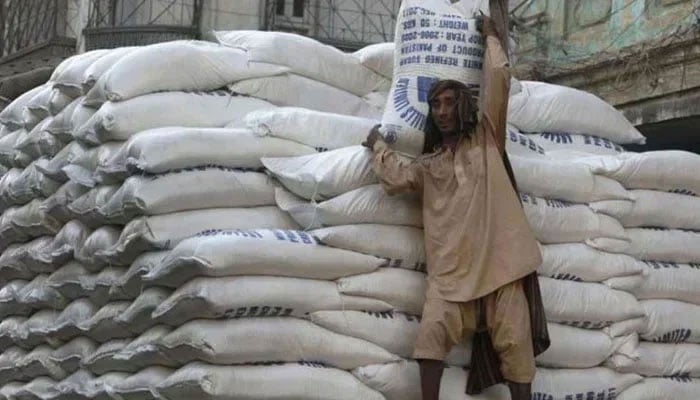
LAHORE: The Pakistan Sugar Mills Association (PSMA) has warned that surplus stocks and low prices threaten the sugarcane value chain.
The issue was raised in a PSMA (North Zone) general body meeting held here on Wednesday and chaired by North Zone Chairperson Chaudhry Muhammad Aslam. Members from Punjab and Khyber Pakhtunkhwa also attended the meeting.
Addressing the gathering, Aslam said the government had committed in writing on July 14, 2025. The commitments included permission to export surplus sugar above seven million metric tonnes within one month of the close of the 2025-26 crushing season, complete deregulation of the sugar sector by June 2026 on the pattern of other industries, and removal of restrictions on sugar exports and imports. He noted that none of these promises have been fulfilled so far.
Members of the PSMA said that the sugar industry produced more sugar than domestic requirements during the 2025-26 crushing season. With domestic consumption estimated at 6.6 million metric tonnes against an existing stock of 7.9 million metric tonnes, a surplus of 1.3 million metric tonnes is currently available. The industry is facing serious financial difficulties as a result.
The participants expressed concern that some government quarters are again attempting to understate the surplus by manipulating data, without accounting for the impact on the 2026-27 crushing season and the broader economy. They said that seven and a half months have passed since the last season ended and only four and a half months remain before the next season begins, yet a large surplus remains above domestic needs.
The meeting reached a consensus that sugar mills are selling sugar at an ex-mill rate of less than Rs135 per kg, which is well below the cost of production. If export permission is not granted, millions of sugarcane farmers will be directly affected. With an estimated 20 per cent increase in the sugarcane crop next year, farmers are likely to face further pressure on prices. The surplus from the current season is also expected to carry forward, which could force mills to delay the start of the next crushing season.
The association urged the government to allow the immediate export of surplus sugar to protect the interests of sugarcane farmers and to prevent heavy losses for the industry. It said that timely exports would also help mills begin the upcoming crushing season on schedule. The association added that exporting the surplus could generate foreign exchange of nearly $620 million. the 2025-26 crushing season. With domestic consumption estimated at 6.6 million metric tonnes against an existing stock of 7.9 million metric tonnes, a surplus of 1.3 million metric tonnes is currently available. The industry is facing serious financial difficulties as a result.
The participants expressed concern that some government quarters are again attempting to understate the surplus by manipulating data, without accounting for the impact on the 2026-27 crushing season and the broader economy. They said that seven and a half months have passed since the last season ended and only four and a half months remain before the next season begins, yet a large surplus remains above domestic needs.
The meeting reached a consensus that sugar mills are selling sugar at an ex-mill rate of less than Rs135 per kg, which is well below the cost of production. If export permission is not granted, millions of sugarcane farmers will be directly affected. With an estimated 20 per cent increase in the sugarcane crop next year, farmers are likely to face further pressure on prices. The surplus from the current season is also expected to carry forward, which could force mills to delay the start of the next crushing season.
The association urged the government to allow the immediate export of surplus sugar to protect the interests of sugarcane farmers and to prevent heavy losses for the industry. It said that timely exports would also help mills begin the upcoming crushing season on schedule. The association added that exporting the surplus could generate foreign exchange of nearly $620 million.