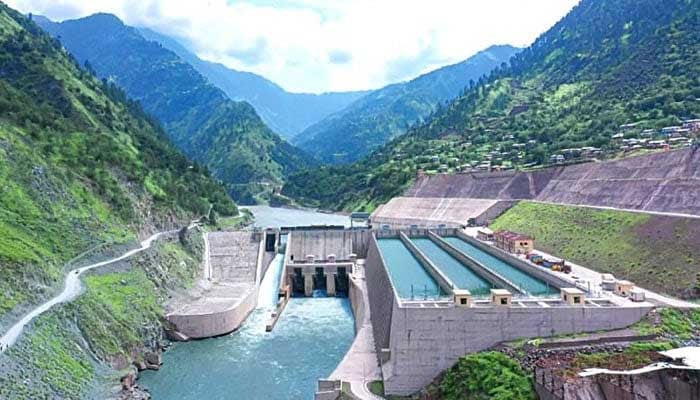
ISLAMABAD: The Auditor General of Pakistan (AGP) has found that the Neelum-Jhelum Hydropower Project (NJHP) incurred net losses and shutdown-related losses exceeding Rs128 billion during the financial year 2024-25.
According to the audit report, the review was conducted to evaluate the project’s financial performance, compliance with applicable rules and regulations, economy and efficiency in expenditure, and the fulfilment of its core objectives, including the construction, operation and maintenance of a 969MW powerhouse. The company was selected for audit by the Office of the Auditor General of Pakistan due to its strategic importance, large-scale utilisation of public funds and continuing operational challenges.
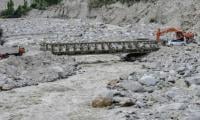
The audit found that the project recorded net losses of Rs29.41 billion during FY25. In addition, business interruption losses of approximately Rs99.18 billion were incurred due to the complete shutdown of the powerhouse following successive collapses of the tailrace tunnel (TRT) and the headrace tunnel (HRT).
The report noted that the project’s debt burden remained high and continued to increase, while its liquidity position fell below the safe operating threshold. The powerhouse has remained shut since May 2024 following the collapse of the HRT.
The AGP highlighted the failure to finalise inquiries into the consecutive collapses of the TRT and HRT, which resulted in substantial revenue losses and ongoing business interruption losses due to the suspension of operations since May 1, 2024. The report also cited management’s failure to address defects, the non-approval of a reference tariff by the National Electric Power Regulatory Authority (Nepra), and the project’s inability to achieve its intended objectives or recover investment within the planned payback period.
The audit further pointed to inadequate insurance coverage for critical infrastructure and equipment, the non-renewal of an expired insurance policy, and the failure to secure indemnification for losses arising from the TRT collapse.
According to the audit analysis, although the company demonstrated relative stability between FY19 and FY22, the project failed to achieve the financial, commercial and power generation targets envisaged in its approved PC-1. Persistent underachievement of generation targets, delays in securing a reference tariff, prolonged business interruptions caused by structural failures, and weak financial management collectively undermined the project’s financial sustainability.
The powerhouse failed to meet its annual generation target of 5,150 gigawatt-hours (GWh) in any year since commissioning, including periods when it was fully operational. Extended shutdowns following the TRT collapse in July 2022 and the HRT collapse in May 2024 further reduced generation revenues during FY23 and FY25.
The audit noted that the project also suffered significant revenue losses due to Nepra’s failure to approve a reference tariff, stemming from the absence of third-party validation of project costs despite repeated directives from the Executive Committee of the National Economic Council (ECNEC). The approval of a substantially lower provisional tariff resulted in an estimated regulatory revenue shortfall of Rs77.35 billion.
The combined effect of lower-than-targeted generation and tariff differentials led to significant revenue erosion, while prolonged outages caused business interruption losses of Rs99.18 billion between FY23 and FY25. During outage periods, most revenue came from late-payment surcharge receipts rather than electricity generation, highlighting the deterioration of the project’s core operations.
The report found that profitability indicators deteriorated sharply from FY23 onwards, with negative operating margins, losses before and after tax, and declining returns. The project’s liquidity position remained critically weak, with current liabilities exceeding current assets by Rs307.89 billion as of June 30, 2025, largely due to debt repayment defaults and the reclassification of long-term loans as current liabilities.
The audit also found that the project failed to achieve its planned payback period. By FY2024-25, only Rs180.17 billion had been recovered against an approved project cost of Rs418.89 billion. Additional weaknesses were identified in receivables management, with around 69 per cent of receivables overdue by more than 120 days, and in risk management, with assets worth Rs267 billion remaining uninsured during the review period. the project’s inability to achieve its intended objectives or recover investment within the planned payback period.
The audit further pointed to inadequate insurance coverage for critical infrastructure and equipment, the non-renewal of an expired insurance policy, and the failure to secure indemnification for losses arising from the TRT collapse.
According to the audit analysis, although the company demonstrated relative stability between FY19 and FY22, the project failed to achieve the financial, commercial and power generation targets envisaged in its approved PC-1. Persistent underachievement of generation targets, delays in securing a reference tariff, prolonged business interruptions caused by structural failures, and weak financial management collectively undermined the project’s financial sustainability.
The powerhouse failed to meet its annual generation target of 5,150 gigawatt-hours (GWh) in any year since commissioning, including periods when it was fully operational. Extended shutdowns following the TRT collapse in July 2022 and the HRT collapse in May 2024 further reduced generation revenues during FY23 and FY25.
The audit noted that the project also suffered significant revenue losses due to Nepra’s failure to approve a reference tariff, stemming from the absence of third-party validation of project costs despite repeated directives from the Executive Committee of the National Economic Council (ECNEC). The approval of a substantially lower provisional tariff resulted in an estimated regulatory revenue shortfall of Rs77.35 billion.
The combined effect of lower-than-targeted generation and tariff differentials led to significant revenue erosion, while prolonged outages caused business interruption losses of Rs99.18 billion between FY23 and FY25. During outage periods, most revenue came from late-payment surcharge receipts rather than electricity generation, highlighting the deterioration of the project’s core operations.
The report found that profitability indicators deteriorated sharply from FY23 onwards, with negative operating margins, losses before and after tax, and declining returns. The project’s liquidity position remained critically weak, with current liabilities exceeding current assets by Rs307.89 billion as of June 30, 2025, largely due to debt repayment defaults and the reclassification of long-term loans as current liabilities.
The audit also found that the project failed to achieve its planned payback period. By FY2024-25, only Rs180.17 billion had been recovered against an approved project cost of Rs418.89 billion. Additional weaknesses were identified in receivables management, with around 69 per cent of receivables overdue by more than 120 days, and in risk management, with assets worth Rs267 billion remaining uninsured during the review period.