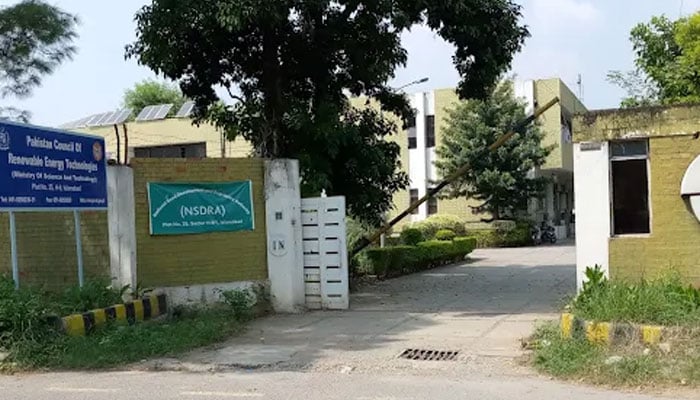
LAHORE: The National Seed Development and Regulatory Authority (NSDRA) was created to build a merit-based, technical seed sector but the evidence so far suggests otherwise.
The body faces serious questions relating allegations regarding conflict of interest, GMO influence, overlapping employment, and nepotism.
The first case concerns Mr. Muhammad Asim, appointed Member, Regulation at NSDRA on March 2, 2026, per a Ministry of National Food Security and Research order. According to available information, he served for about 20 years as at different positions including Manager, Regulatory Affairs at a multinational corporation (MNC), which acquired a company dealing in agriculture and seed operations in Pakistan, in 2018. The concern: he is now adjudicating GMO maize matters similar to those he lobbied for the MNC.
The second issue is timing. Interestingly, Mr. Asim’s LinkedIn bio shows employment with the multinational corporation until May 2026, creating an apparent two-month overlap with his NSDRA role in a sheer violation of rules concerned and conflict of interest.
Mr. Asim has responded that his selection was “on open merit through a selection board” with the Prime Minister’s approval, and that he “retired from the MNC after attaining superannuation in Q1, 2026.”
However, it is pertinent to note that his appointment date as Member Regulation at NSDRA has been March 2, 2026, and LinkedIn dates until May 2026. Such a serious overlap would raise standard public-service ethics questions about simultaneous conflicting dual roles in regulation and industry.
Ironically, this is not first controversy with industry’s pressure on GMO regulation. The concerns around NSDRA gain weight when seen against a 2011 episode involving the company dealing in seeds before takeover by the MNC and GM corn commercialisation process.
According to a report carried by The News, in June 2011, the head of an official Technical Assistance Committee sub-committee, Dr. Iftikhar Ahmad, DG NARC, resigned citing that the committee had been “scandalized” and an “environment of prejudice” created.
(https://www.gmwatch.org/en/main-menu/news-menu-title/archive/50-2011/13240-pakistan-s-chief-gm-regulator-quits-over-attempt-at-clandestine-approval-of-gm-corn-monsanto-implicated)
The trigger was an attempt to approve GM corn in an irregular way.
Sources told The News that large-scale trials were claimed to have been done, and a 16-page “TAC Sub-Committee Recommendations and Findings” report was prepared by the previous company itself.
It later emerged that the due procedure was violated, whole process lacked environmental due diligence, and bypassed the committee’s duty to evaluate trials independently.
Critics also flagged a factual error: the company-drafted summary said “Large Scale Field Trials were held in Autumn 2010,” though only regulatory trials had been conducted and no large-scale approval had been granted by the National Bio-safety Committee.
Farmer and biosafety groups at the time argued that multinationals were misleading decision-makers, sidelining farmers, and seeking approvals without public or scientific debate. Several countries, including India and parts of Europe, had rejected GM corn cultivation despite company pressure.
Together, the 2011 record and the current NSDRA allegations point to a recurring risk: regulatory capture and “revolving door” hiring that blur the line between industry advocacy and public oversight.
A separate complaint is directed at Chairperson NSDRA Dr. Asif Ali Khan. He allegedly was part of the process in relation to “Agenda Item-02 of last TAC meeting: MMNS University of Agriculture, Multan,” while also serving as its Vice Chancellor. The allegation is that being applicant and approver is a conflict of interest.
The third and most sweeping charge is systemic nepotism. It is alleged that NSDRA recruitment favored a certain community and ignored rules and regulations concerned. It further claims the selection committee was stacked with people from a certain community and that Dr. Asif holds dual charge as VC and NSDRA Chairperson.
When contacted, Dr. Asif did not comment on allegations leveled against him. Sources close to his office, however, rejected the impression of any illegality in his dual charge, saying rules allow the competent authority to make appointments under certain exegencies.
They also rejected the allegations of nepotism and conflict of interest, maintaining no violation of rules or merit was committed