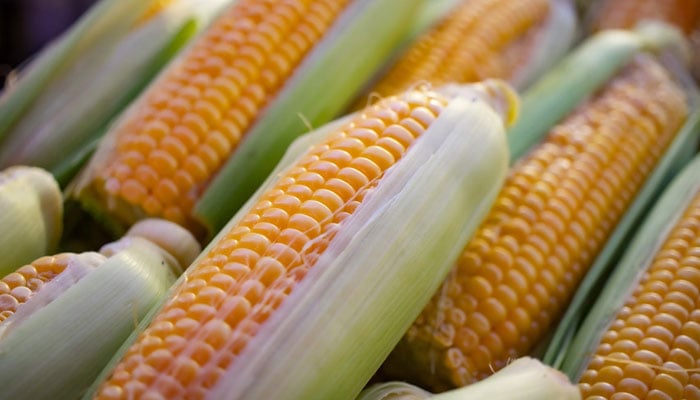
KARACHI: The federal cabinet has approved the National Agricultural Biotechnology Policy (NABP) 2025, a framework intended to govern the development, regulation and commercialisation of genetically modified crops, reviving a long-running debate over whether GM maize should be cleared for commercial cultivation in Pakistan.
The policy, drafted over more than two years through committees led by the Pakistan Agricultural Research Council and the National Seed Development and Regulatory Authority, divides biotechnology into regulated domains, including GMO commercialisation and gene editing, and non-regulated areas such as tissue culture. Officials have described it as filling a strategic gap that left earlier biosafety laws without unified direction.
The approval has sharpened attention on GM maize, which proponents present as a near-term opportunity. Seed-industry bodies, including CropLife Pakistan, argue that GM hybrids offer built-in pest resistance against threats such as the fall armyworm, reduce pesticide use, and have shown yield advantages of between 10 per cent and 46 per cent in National Uniform Yield Trials. They contend that wider adoption could lift production and expand maize and feed exports, which they value in a range of several hundred million dollars in recent years.
Maize is closely tied to the feed sector, with poultry consuming an estimated 65 per cent of grain use and wet milling and dairy feed accounting for most of the remainder. Supporters note that the poultry and feed industries already use imported GM soybean and canola ingredients, so domestically produced GM maize grain would enter an existing market.
The regulatory position, however, is more cautious than the policy’s approval suggests. GM maize has not been approved for commercial cultivation. Licences issued to Corteva in 2016 and Bayer in 2017 covered confined field trials only, and in May 2019 all biosafety licences for the import and field testing of GM maize were suspended over health and environmental concerns, chiefly the risk of gene flow from a highly cross-pollinated crop into non-GM varieties. As of late 2025, GE cotton remained the only crop approved for planting in Pakistan, with a moratorium still applying to GM maize.
The proposal also faces objections from within government and industry. Exporters, including Rafhan Maize Products, have warned that commercialisation could jeopardise sales to European markets that favour GM-free supply, and a security-agency representative opposed the move on similar export-risk grounds. The food ministry had earlier held that Pakistan can meet domestic maize demand without GM seed, citing yields already exceeding 100 maunds per acre in some areas, and a provincial environmental regulator cautioned against clearing commercial cultivation without completed field trials.
Internationally, GM maize is grown in the United States, Argentina, Brazil, Canada and South Africa, and has been approved in the Philippines, Vietnam, Indonesia and China. India has not approved any GM maize event for commercial cultivation, food or feed use.
The National Biosafety Committee is reported to be reconsidering the suspended maize licences. Whether the new policy translates into commercial approval will depend on that review, and on how the government weighs the projected productivity gains against the export, biosafety and food-sufficiency concerns that have kept GM maize unapproved for the past six years.