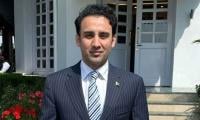
KARACHI: President of the Karachi Chamber of Commerce and Industry (KCCI) Muhammad Rehan Hanif has expressed deep concern over the continued sealing and alleged forceful occupation of the historic Cotton Exchange Building.
He said the situation has severely disrupted cotton trade in the country, affected hundreds of businesses and created uncertainty that could undermine the export economy and investment climate.
Hanif said the KCCI continues to receive complaints from member firms directly affected by the abrupt closure of the cotton exchange. A total of 209 commercial offices, many of which have operated continuously since the creation of Pakistan in 1947, have become non-functional overnight.
These offices include importers, exporters, cotton brokers, traders, commission agents, textile-related businesses and numerous enterprises linked to Pakistan’s cotton value chain. The sudden sealing of the building has not only halted their commercial activities but has also resulted in substantial financial losses, contractual complications, reputational damage and uncertainty about the future of their businesses.
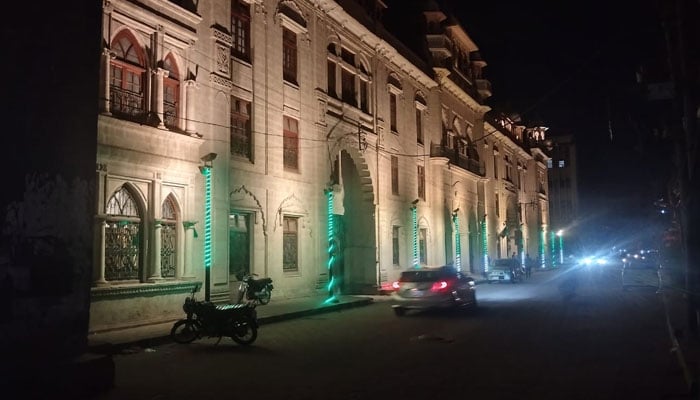
The KCCI president noted that the Cotton Exchange Building, where the Karachi Cotton Association (KCA) operates, has historically served as the backbone of the country’s organised cotton marketing system. It has played a key role in bringing together growers, ginners, textile manufacturers, exporters, brokers and other stakeholders under a transparent and internationally recognised trading framework.
He pointed out that Pakistan now finds itself in the unusual position of potentially being the only cotton-producing country without a functioning cotton exchange. Such a situation, he said, sends a negative signal to international buyers, foreign investors and global trading partners regarding the institutional stability of Pakistan’s agricultural and export sectors.
Hanif recalled that the Karachi Cotton Exchange has served as the principal platform for organised cotton trading and transparent price discovery since 1934, before Pakistan’s independence. Following the creation of Pakistan in 1947, it continued to play a pivotal role in the cotton economy until its operations came to a halt nearly a year ago.
Although hedge trading was discontinued in 1976, the exchange continued to perform the critical function of announcing daily cotton spot rates, which served as a benchmark for the entire cotton sector. These rates were relied upon by cotton growers, ginners, textile mills, exporters, financial institutions and policymakers across the country. Approximately 320 registered cotton brokers remained actively associated with the exchange until its closure.
“The suspension of these vital market functions has disrupted price transparency, weakened market confidence and created unnecessary uncertainty within Pakistan’s cotton trading system at a time when the country urgently needs stronger institutions to revive agricultural exports and industrial growth,” he said.
Hanif noted that historical records indicate the land on which the Cotton Exchange Building stands was originally leased in 1883, while the Karachi Cotton Association formally acquired the property through a registered conveyance deed in 1936. The lease was subsequently renewed until 2081. These longstanding legal arrangements, he said, reinforce the need to resolve the matter through lawful procedures, judicial fairness and institutional transparency.
He also expressed concern over the reported non-compliance with a Sindh High Court order dated June 18, 2026, which allowed the Karachi Cotton Association to continue its business activities from the Cotton Exchange Building until final adjudication of the matter. He urged the relevant authorities to ensure the immediate implementation of the court’s directions and uphold the rule of law.
The KCCI president further highlighted that the internationally recognised KCA HVI Laboratory, known for its cotton fibre testing and quality assessment services, has also been adversely affected by the closure. The laboratory has gained international recognition for maintaining high testing standards and has contributed significantly to improving the quality, credibility and competitiveness of Pakistani cotton in global markets.
He warned that any prolonged disruption to the laboratory’s operations could have far-reaching implications for Pakistan’s textile exports and quality assurance systems.
Calling for immediate corrective measures, Hanif urged the federal government and relevant authorities to intervene without delay to ensure the earliest possible restoration of possession of the Cotton Exchange Building to the Karachi Cotton Association and its lawful occupants.
He stressed that the matter should be resolved strictly in accordance with the constitution and applicable laws while safeguarding the legitimate rights and business interests of all affected stakeholders.