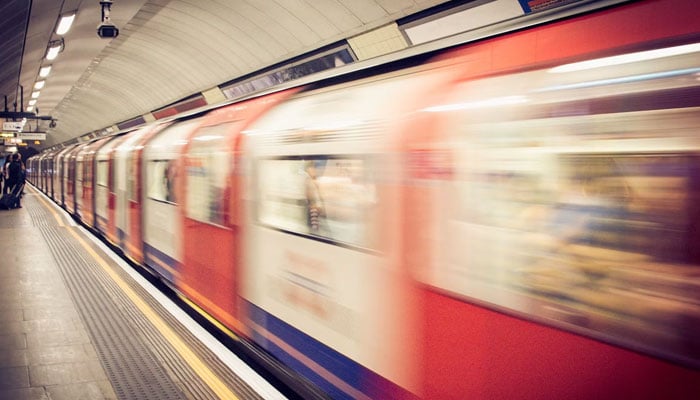
The Pakistan Academy of Engineering (PAE) has proposed the development of a comprehensive underground railway network for Karachi, calling it a vital step towards addressing the city’s mounting transportation challenges and securing its future mobility needs.
The proposal was presented during the PAE’s 40th Symposium, titled ‘Importance of Underground Mobility in a Megacity’, recently held in Karachi. The event brought together leading transport and engineering experts from the United States, China and Pakistan to examine successful underground railway systems operating in Singapore, Washington DC, New York, Delhi, Friedberg and Dhaka.
Following extensive deliberations, the symposium unanimously recommended the establishment of Karachi’s first underground railway corridors. The proposed network includes Route 1 from Numaish Chowrangi to Merewether Tower and Route 2 from FTC on Sharea Faisal to I.I. Chundrigar Road and Tower, a concept put forward by Prof Dr Brig (retd) Nasim Akhtar Khan, PAE president.
Addressing the symposium, Prof Khan stressed the urgency of developing underground mass transit infrastructure in Pakistan’s largest metropolis. “Karachi has to go underground for mass transit. Why not start today?” he remarked, adding that Pakistan had rarely produced major technological breakthroughs based on indigenous thinking and design, and the proposed project could mark the beginning of a new era of locally conceived engineering innovation.
The symposium also received support from academia. Sir Syed University of Engineering and Technology (SSUET) Vice Chancellor Dr Afzal Haque and DHA Suffa University Dean Dr Ahmad Hussain agreed to assign various aspects of the proposed project to students of engineering disciplines as part of academic and research activities. The initiative is expected to encourage innovative designs for underground stations, railway alignments and related transport infrastructure.
According to the symposium’s recommendations, the underground railway system would complement Karachi’s existing Bus Rapid Transit (BRT) network creating an integrated urban transport framework capable of carrying significantly larger numbers of passengers.
Experts noted that the proposed system could help ease chronic traffic congestion, reduce environmental pollution and provide a safer, more reliable and efficient mode of transportation for millions of daily commuters. The integrated network is also expected to improve connectivity between key commercial and residential districts while enhancing overall urban productivity.
The PAE President underscored that Karachi’s rapid population growth and increasing transport demand necessitate long-term infrastructure planning, arguing that underground mobility offered a sustainable solution for the city’s future.
The PAE, a think tank established by Prof Dr Jameel Ahmad Khan, is a leading professional body dedicated to advancing engineering knowledge, innovation and sustainable development through research, policy recommendations and technical collaboration among engineering professionals and institutions.