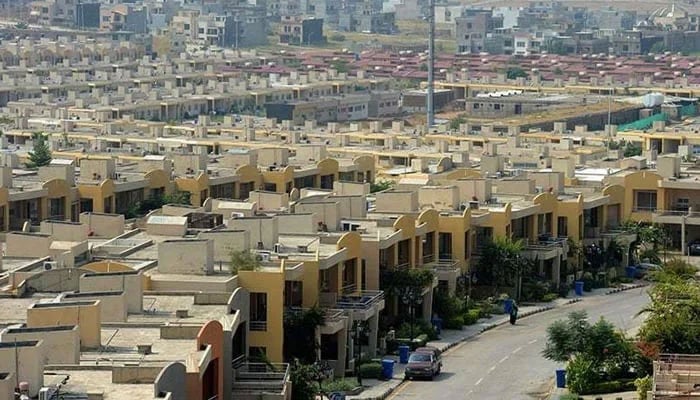
LAHORE:The Punjab Cabinet Standing Committee on Legislative Business (SCCLB) has approved sweeping amendments to the Punjab Private Housing Schemes Rules, 2022, marking a major regulatory overhaul of private real estate development in Punjab. The reforms, to take effect after official gazette notification, aim to improve transparency, strengthen planning controls, protect buyers, and curb unregulated housing growth across the province, including in major urban centers such as Lahore.
A central feature of the changes is full digitisation of the approval process. All applications for new housing schemes and revisions will now be processed exclusively through a centralised digital system. Ownership and sponsorship rules have also been tightened: projects with more than five landowners must be registered as companies or cooperative societies, while joint ventures are capped at five entities, with cooperatives barred from entering such arrangements.
The reforms introduce a new classification system for housing schemes, dividing them into four categories: schemes under 100 kanals, farm housing (minimum 100 kanals), apartment schemes (minimum 25 kanals), and low-cost housing schemes. Affordable housing projects must include labels such as “low cost” or “budget” in their official names to prevent misleading marketing.
Planning and land-use standards have been significantly revised. Developers must allocate land for parks, playgrounds, graveyards, public buildings, roads, and waste management facilities. Open spaces will range from 5–7% of total area in most schemes and at least 10% in apartment projects, while graveyards remain fixed at a minimum of 2%. Commercial areas will be limited to 5–10%, and public buildings to 2–3%.
A major infrastructure shift requires all utilities—including water, sewerage, gas, electricity, telecom, and internet—to be installed underground before road construction. Overhead utility lines are now prohibited. Developers must also obtain approvals from relevant agencies for water, sewerage, drainage, electricity, and environmental systems, and secure EPA clearance within six months of approval.
Environmental and infrastructure safeguards are strengthened, including mandatory wastewater treatment systems, rainwater harvesting provisions, and strict requirements for access road widening, with land for expansion transferred free to local governments where needed.
Enforcement has been intensified through daily fines ranging from Rs5,000 to Rs20,000 for illegal or delayed developments, depending on scheme size. Buyer protections are also reinforced through mandatory digital allotment management, minimum notice periods for cancellation, and structured opportunities for payment before penalties.
Upon completion, housing schemes will be handed over to seven-member management committees composed of sponsors and resident professionals, responsible for maintaining infrastructure and services with audited financial oversight.
The reforms also regulate mergers, partial scheme revisions, and cancellation of legacy projects under defined legal frameworks. Officials say the package modernises housing governance, strengthens buyer protection, promotes affordable housing, and improves long-term urban planning across Punjab.