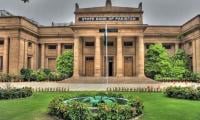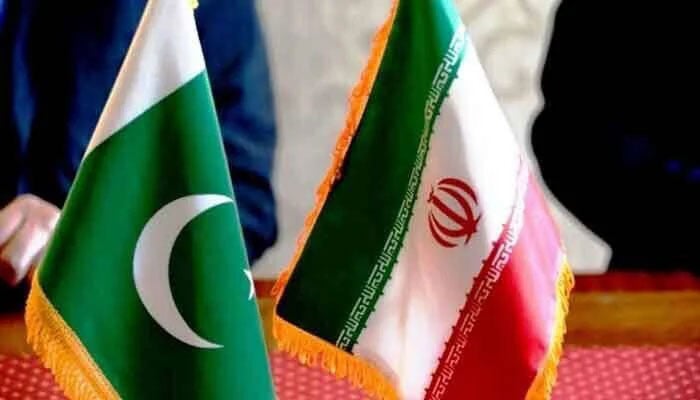
LAHORE: The US-Iran conflict has provided Pakistan another chance to improve its economy. Before this, Pakistan had run out of easy choices and borrowed time. The immediate terror of a sovereign default has faded and inflation has dipped from its suffocating peaks.
What everyone is afraid of is that the opportunity knocking at our door may go to waste if we fail to improve the way we govern our country. It was the failure of past governance that looked towards friendly countries and commercial banks for borrowing more money. The federal government cannot operate without money which it lacks.
Our role in stopping the war enhanced our image, which is the reason that both the IMF and friendly countries are still bailing. But the money we receive or expect to receive is in the form of loans, some of which are very expensive because of higher interest rates.
These loans have kept us rolling and prevented us from defaulting. However, we have not curtailed our expenses even now and the austerity claims are for public consumption. Austerity should have come from the high perks of ministers and member parliament. Is it not criminal that parliamentarians enjoy highly subsidized meals matching the quality of five star hotels and, after subsidy, they eat at rates lower than a dhabba? Almost every parliamentarian, higher judiciary and other official enjoys numerous facilities worth billions of rupees. All of them are entitled to get treated abroad on government expanse and get free power equal to the combined income of poor daily wagers.
The lavish residences allotted to them justify petrol allowance equivalent to the monthly bill of 50 poor families. The rich and bureaucratic elite dines post clubs subsidized from the pockets of the poor. Most of these are rented out at a token amount while the actual rent of these premises is 1000 times or more.
Pakistan’s economy is far from healthy. The immediate terror of a sovereign default has faded, inflation has dipped from its suffocating peaks and foreign reserves look healthier on paper. But as the panic subsides, a brutal question remains: Are we actually building a prosperous nation, or are we just celebrating temporary stability?
There is a vast, dangerous difference between keeping an economy breathing and transforming it. A country can doctor its fiscal indicators and secure emergency bailouts while remaining utterly trapped in a zombie cycle of low growth, zero innovation and inevitable relapse.
China, South Korea, Vietnam and India broke their cycles of poverty and they did not do it with bandages. They exposed their economies to global competition, forced productivity over handouts and aggressively chased exports. They rewarded grit and innovation, not political connections. Pakistan has spent decades doing the exact opposite.
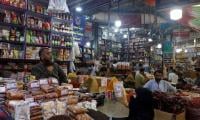
Small and Medium Enterprises (SMEs) are being choked. While local giants get subsidised, small entrepreneurs are crushed under extortionate borrowing costs, suffocating energy bills and a predatory regulatory maze. In Pakistan, a business owner spends more time surviving the bureaucracy than expanding their business.
Corruption acts as an invisible, omnipresent tax on every transaction. Worse still is the total lack of predictability. Investors can manage financial risk, but they cannot invest in a country where the rules of the game change with every shifting political wind and where contracts are not worth the paper they are printed on.
Rampant smuggling and systemic under-invoicing have rigged the market. Honest, tax-paying, law-abiding manufacturers are being driven out of business because they cannot compete with black-market goods flowing freely across porous borders.