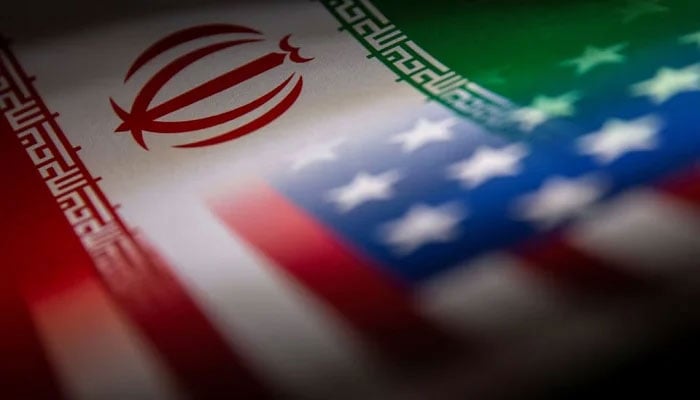
For a few hours in Tehran, the Qatari mediators allowed themselves to believe the worst might be over. After weeks of shuttling between two bitter foes, and an exhausting day of talks with Iranian officials, the small delegation saw a deal coming together that would include: an extended ceasefire, the reopening of the Strait of Hormuz and a framework for nuclear talks, Financial Times reported.
Then, as they prepared to fly back to Doha in the early hours of Thursday, US fighter jets hit Iranian targets in southern Iran. By the time the American bombing stopped, Iran was firing missiles and drones at US bases in Jordan, Bahrain and Kuwait. The Qataris looked on from the tarmac. For almost seven hours, until 7am, they waited on the runway as the fragile diplomacy they had tried to foster risked unravelling at double speed. “It was a rollercoaster,” said a person briefed on the talks. The episode highlighted the core problem of a month-long effort to prevent a US-Iran war: every apparent breakthrough was derailed by fresh strikes, threats or political interventions. The one-page, 14-point memorandum of understanding being negotiated by Qatar and Pakistan was intended to extend the April 8 ceasefire. Bringing the deal together required overcoming decades of mistrust, Trump’s impatience for a quick outcome and Iran’s need for any agreement to appear legitimate domestically.
One crucial turning point came in mid-May. Talks had floundered after the April 8 ceasefire and a follow-up meeting in Islamabad led by US vice-president JD Vance. The truce appeared to be unravelling, with Trump warning that it was on “massive life support” and describing Iran’s latest proposal as a “piece of garbage”. Within a few days, Washington asked Qatar to step up. Until then Doha had been playing a supporting role to Pakistan, the surprise choice to lead the mediation, alongside Egypt and Turkey.
After Trump’s warning, the Qatari veteran mediators Ali al-Thawadi and Hamad al-Kubaisi, headed to Tehran, flying via Turkey to keep the mission secret. Pakistan, newer to the mediation role, brought its own access to Trump’s circle after helping secure the April truce. Mediators struggled to build basic trust, with Iran described as “very suspicious” of US intentions. “They felt like this is another precursor to attacks . . . that the Americans keep shifting positions, that there’s no real commitment,” said the person briefed on the talks. By the time the delegation departed Tehran in mid-May, they felt confident they had the buy-in of US officials. But that optimism was dashed, however, when they were informed as they left Iran that Trump was considering striking.
In a bid to keep the diplomacy on track, Qatari, Saudi and Emirati leaders called the US president, telling him the mediators were close to a deal and urging him to keep his finger off the trigger. Trump heeded their counsel. A US delegation including special envoy Steve Witkoff and President Donald Trump’s son-in-law Jared Kushner landed in Islamabad on April 11. On May 19, the Qatar delegation flew to Washington to brief Vance, special envoy Steve Witkoff and Jared Kushner. Then Trump set a deadline, making it clear to the mediators that he needed the Iranian response by the weekend or he would attack. The Qataris and Pakistani negotiators prepared to head back to Tehran. The night before mediators were expected in Tehran, the Qataris and the Pakistanis were informed by two western states that Israel was considering striking Iran, two people briefed on the matter said. Qatari officials frantically called the US and other allies to secure guarantees that Israel would not attack while their team was in Tehran, one of the people said. When those assurances came, they landed in Tehran on May 22.
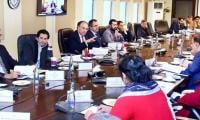
The mediators spent hours locked in discussions with Mohammad Bagher Ghalibaf, Iran’s top negotiator, and foreign minister Abbas Araghchi as they haggled over the details. The key issues were Iran’s demand for a commitment to permanently end the war; securing assurances that Tehran would discuss with the US handing over its stockpile of highly enriched uranium; and the fate of the Strait of Hormuz. Both sides felt in control, as Iran threatened to impose transit fees on shipping through the chokepoint. But to get a deal over the line, the mediators needed to convince Iran to set that demand aside, at least for the 60-day ceasefire extension.
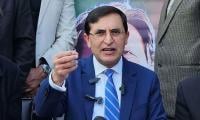
Field Marshal Asim Munir, Pakistan’s military chief, landed in Tehran on that same Friday evening to add to the push. “The Pakistanis were well briefed and the face of the process, thanks to the field marshal’s relationship with Trump,” said one western diplomat. Trump demanded Iran surrender its 440kg near-weapons-grade uranium, with Tehran eventually agreeing before the Qatari delegation’s departure on May 23 to discuss dilution or transfer of the stockpile.
Iran’s top negotiator Mohammad Bagher Ghalibaf, met Pakistan’s army chief Asim Munir in Tehran on May 23. In return, the US agreed to a phased sanctions relief dependent on the progress towards a final deal. By Saturday evening, Trump said that a deal had “largely been negotiated” and would “be announced shortly”. Ghalibaf and Araghchi travelled to Doha for yet more talks with Qatari mediators on Monday May 25, along with the Iranian central bank governor. “The Iranians are very diligent negotiators; they check every word and negotiate the meaning of it,” said one of the people briefed on the talks. Even after that, the Iranians did not sign off on the agreement as expected. Frustrated with the delay, the Trump administration amended language related to the details of reopening the strait and nuclear issues.
In a bid to keep the diplomatic process on track, the Qatari mediators got back on a plane — this time to Miami where they spent a day in talks with Witkoff and Kushner to underline the urgency of getting a deal completed. On June 6, Pakistan’s interior minister Mohsin Naqvi, a close Munir confidant, was in Tehran on his fourth trip, carrying a letter for Iran’s new supreme leader Mojtaba Khamenei. But worse was to come. Israel’s premier Benjamin Netanyahu threatened to bomb Hizbollah targets in Beirut. Iranian media reported that Tehran suspended talks with Washington as a result on June 1. That caused Trump to get on the phone to Netanyahu that Monday afternoon and deliver his partner in the war an expletive-laden tongue-lashing. That seemed to calm the situation. Israel and Iran briefly exchanged fire after an Israeli strike near a Hezbollah stronghold in southern Beirut, but the escalation ended when Trump brokered a halt, saying both sides agreed to stop shooting.
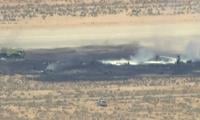
A deal appeared close until Trump blamed Iran for downing a US helicopter, triggering renewed overnight exchanges of fire and stranding Qatari mediators at the airport. Once the Qataris had returned to Doha, a regional push was made to convince Trump a good deal was almost finalised and to hold off on further strikes.
According to Pakistani and Arab diplomats, Qatar’s Emir Sheikh Tamim bin Hamad al-Thani, Saudi Crown Prince Mohammed bin Salman, United Arab Emirates President Sheikh Mohamed bin Zayed al-Nahyan and Pakistan’s powerful military chief all put in calls to the US leader to urge him against more attacks. On Thursday, Trump threatened further strikes, including the possible seizure of Iran’s Kharg Island, but within hours said a final deal had been approved by “all parties” as a “great settlement of the war”. Throughout the week of skirmishes, the diplomacy continued in Doha. But on Friday, Trump, who had spent the week oscillating between saying a deal was close and venting his frustration at Iran, furiously claimed Tehran was distorting the agreement.
It again raised fears of a strike ahead of a weekend signing in Switzerland, as concerns grew over media and lobbying pressures. Trump’s Saturday announcement that the MoU would be signed on Sunday prompted Qatari negotiators to return to Tehran. At that point Israel struck Beirut again — prompting another angry call from Trump, saying the strike “should not have happened” given it was responding to a “very small and meaningless” strike by Hezbollah. He demanded an end to Israeli strikes across Lebanon, while Qatari mediators urged Iran not to retaliate. After 17 hours in Tehran, including a football break and tensions over wording, the Qataris warned that delays could trigger further US strikes if Trump moved ahead with planned celebrations at the White House.
Pakistani Prime Minister Shehbaz Sharif was the first leader who announced a deal had been reached just before 1am Tehran time. “It was very intense,” the person briefed on the talks said. “It was exhausting, but there was relief. It’s like when you finish a marathon, you are fully exhausted. “There’s cautious optimism — there’s still five days until the signing.”