ISLAMABAD: In a major breakthrough for Pakistan’s energy sector, the government has removed one of the most significant obstacles hindering the launch of the country’s long-awaited $6 billion refinery modernization program by exempting imported machinery, equipment and spare parts for refinery upgradation projects from customs duties, sales tax and other applicable import levies under the Finance Bill for FY2026-27.
The move is expected to revive momentum behind the implementation of the Brownfield Refinery Policy, a strategic initiative approved in August 2023 to modernize existing refining infrastructure, attract billions of dollars in investment and reduce Pakistan’s dependence on imported refined petroleum products.
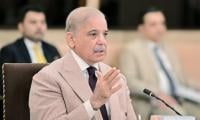
Federal Minister for Petroleum and Natural Resources Ali Pervaiz Malik confirmed the development, describing it as a crucial step towards facilitating refinery investments that have remained stalled due to concerns over project economics and policy uncertainties.
Industry stakeholders had repeatedly argued that the imposition of taxes on imported machinery substantially increased project costs, making it difficult for refineries to secure financing for large-scale upgrades. The exemption is expected to improve the financial viability of projects requiring advanced processing equipment and technology imports.
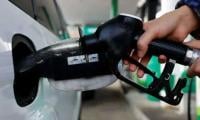
However, while the government has addressed one of the industry’s key demands, another major issue remains unresolved: the sales tax exemption regime imposed on petroleum products through the FY2024-25 Finance Bill. Under the current structure, petroleum products including motor spirit (petrol), high-speed diesel, kerosene oil and light diesel oil are exempt from sales tax. It has created a significant financial burden for refineries and oil marketing companies (OMCs), which are unable to fully adjust or recover input taxes paid on operational expenses and purchases.
According to industry estimates, the inability to claim these input tax adjustments has resulted in annual losses of approximately Rs34 billion for refineries and OMCs. To address the issue, the government is working on incorporating a compensation mechanism into the Brownfield Refinery Policy through an enhanced Inland Freight Equalization Margin (IFEM).
A summary, as per the minister, proposing incorporation of a “stability and parity clause” into the policy framework to help local refineries secure financing from foreign lenders for massive modernization projects aimed at producing cleaner Euro-V fuels and reducing furnace oil output has been circulated among relevant ministries for comments before being presented to the Cabinet Committee on Energy.
Officials familiar with the discussions said the government is inclined to continue the existing IFEM support of Rs1.87 per litre beyond its previous expiry period until a permanent resolution of the sales tax issue is finalized. The enhanced IFEM mechanism had earlier been extended from June 2024 to June 2025 to offset part of the financial losses caused by unadjusted taxes. Following the expiry of that relief, refineries and OMCs once again came under financial pressure as operating costs increased and margins narrowed.
Industry representatives believe that continuation of the support mechanism would provide much-needed revenue stability, strengthen cash flows and improve the confidence of domestic and international lenders considering financing refinery upgrade projects.
A senior government official warned that prolonged delays in implementing the refinery modernization agenda have already imposed substantial economic costs on Pakistan. According to the official, if the Brownfield Refinery Policy had been implemented when it was initially conceived in 2020, the country could have generated at least $2 billion in economic benefits by 2025 through reduced fuel imports and higher-value domestic production. Continued delays until 2026, the official argued, could push cumulative losses to between $10 billion and $11 billion over the next five years due to ongoing reliance on imported high-grade fuels.
The refinery upgradation initiative had also emerged as a subject of discussion in Pakistan’s ongoing engagement with the International Monetary Fund (IMF), particularly regarding taxation arrangements applicable to petroleum products and the broader energy sector.
Despite the policy’s approval nearly three years ago, progress has remained limited. So far, only Pakistan Refinery Limited has signed an implementation agreement with the government. Other refineries have remained cautious, citing uncertainty over fiscal incentives, policy stability and the challenge of arranging debt financing for projects where lenders are expected to provide as much as 70 per cent of the required capital.
The Brownfield Refinery Policy envisions approximately $6 billion in local and foreign investment over a seven-year period. Once implemented, the program is expected to significantly transform Pakistan’s refining landscape. Official projections indicate that the upgrades would double domestic petrol production capacity, increase high-speed diesel output by around 50 per cent and reduce furnace oil production by nearly 80 per cent. The transition would allow refineries to shift towards the production of higher-value, cleaner transportation fuels while reducing the output of low-demand furnace oil.
With the tax exemption for imported equipment now incorporated into the Finance Bill and work underway to address the industry’s sales tax on petroleum products concerns, officials hope the remaining policy bottlenecks will soon be removed quickly, paving the way for financial close and implementation of projects that have remained on hold for years.
For Pakistan’s energy sector, the latest decision marks the strongest signal yet that the government intends to move the refinery modernization agenda from policy discussions to execution.