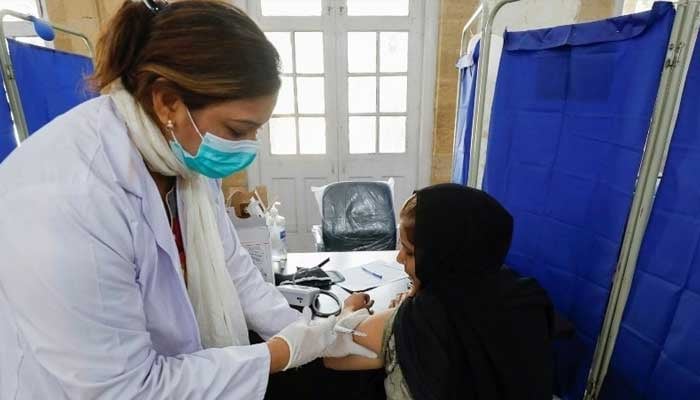
Medical associations and healthcare professionals from across Pakistan have demanded stronger legal protection for doctors, nurses and other healthcare workers, warning that continued violence, harassment and unsafe working conditions are driving trained professionals out of the country and further weakening an already strained health system.
The demands were made during a seminar organised by the Pakistan Islamic Medical Association (PIMA) in Karachi in the wake of the acid attack on surgical trainee Dr Mahnoor Nasir in Quetta, an incident that has reignited concerns over the safety of healthcare workers, particularly female doctors, in hospitals and other healthcare settings.
Representatives of PIMA, the Pakistan Medical Association (PMA), Young Doctors Association (YDA), nursing organisations and several specialist medical societies attended the event, where speakers described workplace violence, harassment, excessive working hours and low salaries as major factors contributing to declining morale among healthcare professionals.
Addressing the seminar, PIMA President Dr Atif Hafeez Siddiqui said doctors and healthcare workers were increasingly facing intimidation, harassment and violence while performing their duties. He called for legislation to ensure the protection of healthcare workers and demanded strict enforcement of laws against attacks on medical staff and damage to hospital property.
Referring to the acid attack on Dr Mahnoor , he urged the authorities to ensure accountability and restore confidence among healthcare professionals. He also called for the reinstatement of doctors suspended after protesting against the incident in Balochistan.
Dr Siddiqui maintained that doctors should not be held responsible for shortages of hospital beds, medicines or other facilities that fell under the government’s administrative responsibilities. He also sought legal safeguards against what he termed the misuse of criminal proceedings against health care professionals and proposed that complaints against doctors should first be reviewed through the relevant health regulatory mechanisms before police action was initiated.
He further demanded an end to the exploitation of young doctors, improvements in salaries and working conditions, and restrictions on unauthorised photography and video recording of healthcare workers during duty hours.
It was said that many trainee doctors continued to work shifts extending beyond 36 hours while receiving salaries that participants described as inadequate. Speakers argued that long working hours combined with security concerns and workplace harassment were contributing to burnout and increasing interest in overseas employment opportunities.
PIMA Women Wing President Dr Zakia Aurangzeb said female doctors faced additional challenges, including workplace harassment and security concerns. She said the attack on Dr Mahnoor highlighted broader issues surrounding the protection of women working in healthcare institutions.
She noted that Pakistan already faced shortages of healthcare professionals in several specialties and warned that continued incidents of violence and insecurity could discourage more young people, particularly women, from entering or remaining in the profession.
Karachi PMA President Dr Ismail Memon said the medical community remained united on the issue of healthcare worker safety and called on authorities to send a clear message that violence against doctors would not be tolerated.
He warned that if concerns remained unaddressed, medical organisations could consider collective action through a joint platform of professional associations.
Several speakers linked growing migration among doctors to deteriorating workplace conditions and the lack of personal security. They argued that Pakistan invested substantial public and private resources in training doctors only to lose many of them to foreign healthcare systems offering better salaries, safer workplaces and clearer career pathways.
Dr Javeria Sikandar, representing PIMA’s women wing in Karachi, said the government should focus not only on increasing medical education capacity but also on retaining trained professionals by addressing security concerns and improving working conditions.
Sindh YDA President Dr Waris Jakhrani said the problems facing healthcare workers were not limited to a single province or institution and reflected broader structural weaknesses within the country’s healthcare system.
YDA Patron-in-Chief Dr Umar Sultan described the acid attack on Dr Mahnoor as an administrative failure and called for effective implementation of existing laws aimed at protecting healthcare workers. He also demanded salary increases for healthcare professionals ranging from house officers to senior faculty members.
Former PMA Secretary General Dr Qaisar Sajjad called for a judicial inquiry into the Quetta acid attack case, saying all aspects of the incident should be examined transparently to ensure public confidence in the investigation process.
Speakers from specialist medical societies and nursing organisations echoed calls for stronger security arrangements at hospitals, improved working conditions and greater coordination among healthcare groups to pursue reforms.
The participants urged the federal and provincial governments to introduce comprehensive legislation against violence and harassment of healthcare workers, strengthen hospital security, improve salaries and working conditions, and address factors contributing to the migration of doctors and nurses.