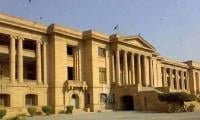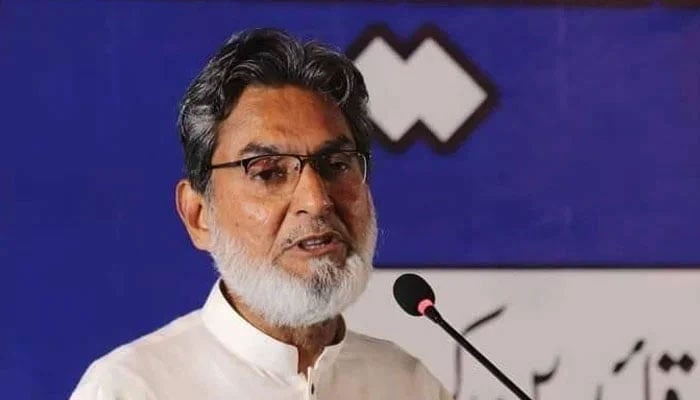
Jamaat-e-Islami (JI) Karachi Acting Chief Saifuddin Advocate on Thursday expressed “deep disappointment” over the Supreme Court’s decision to set aside charges against Muttahida Quami Movement (MQM) linked Abdul Rehman Bhola and Zubair alias Charya in the Baldia factory fire case, which claimed the lives of 259 workers and left dozens injured.
Reacting to the verdict, he said that while no innocent person should be punished, those responsible for the tragedy must be identified, held accountable, and brought to justice in accordance with the law. He questioned the credibility of the investigations conducted in the case, stating that if the Joint Investigation Team (JIT) reports presented before the courts were found to be incorrect, then those who prepared such reports should also face legal action for mishandling a case of such magnitude, which affected hundreds of families.
“If those acquitted were not the perpetrators of the crime, then who was responsible for the deaths of 259 people?” he asked. Saifuddin said that the Supreme Court’s ruling had raised serious questions because earlier judicial forums, including the anti-terrorism court and the high court, had reached different conclusions based on the evidence and material placed before them.
He said the differing outcomes had led to concerns about the standards of investigation and judicial proceedings in the case. Referring to allegations that extortion worth Rs250 million had been demanded from the factory owners, he questioned what had become of that aspect of the case, noting that statements by the factory owners and other witnesses regarding the alleged extortion had also surfaced during the proceedings.
He asked where the victims and their families now stood after the verdict and whether they would ultimately receive justice. Saifuddin said that the Supreme Court’s decision had generated numerous questions in the minds of the affected families, relatives of the deceased, and the wider public, and that these questions deserved answers. “Nearly 14 years after the tragedy, the victims are still waiting for justice,” he said.
He added that Jamaat-e-Islami Karachi had consistently raised its voice for the rights of the affected workers and bereaved families and would continue to work for justice, transparency, and the rule of law.
He said the sacrifices of those who lost their lives in the Baldia factory fire could not be forgotten and that the nation would continue to seek the full truth behind the tragedy and justice for its victims.