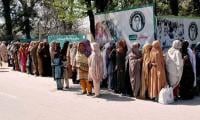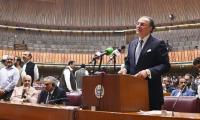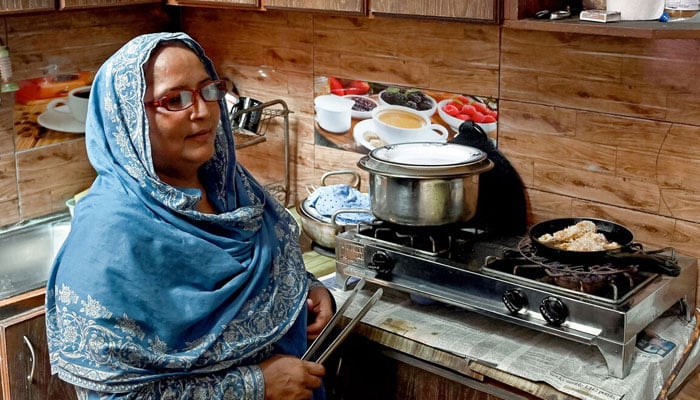
Islamabad:For Pakistani housewives, the Federal Budget 2026-27 is less about fiscal targets and development allocations and more about a simple question: will it make their lives any easier at home? Judging by their reactions, the answer is largely no.
While the government has projected economic growth, announced development spending and highlighted social protection measures, women managing household budgets say the reality of soaring prices, utility bills and stagnant incomes leaves little room for optimism.
“We hear every year that the economy is improving, but our kitchen budget tells a different story,” said Sania Anis, a housewife in Islamabad. “Whether the government calls the budget people-friendly or not, the real test is whether families can afford groceries, electricity bills and school fees.”
The concerns of housewives have intensified in recent weeks as international tensions between Iran and the United States triggered uncertainty in global energy markets. The resulting increase in petroleum prices has already begun affecting transportation costs and the prices of everyday commodities in local markets, they say.
“For us, every increase in fuel prices means vegetables become more expensive, transport becomes costly and household expenses go up,” said Hania Saleem, whose husband works in the private sector. “The budget came with promises, but the market responded with higher prices.”
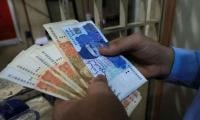
Many women pointed out that while public-sector employees received salary increases, a significant portion of the population works in the private sector, where salaries have remained stagnant despite years of inflation. They said that it has become impossible to feed the family members properly after paying rent, utility bills and school fee of their children. “My husband earns around Rs50,000 a month,” said Saeeda Malik, a receptionist. “After paying rent, electricity, gas, water charges and school fees, there is hardly anything left. Every month feels like a financial emergency.”