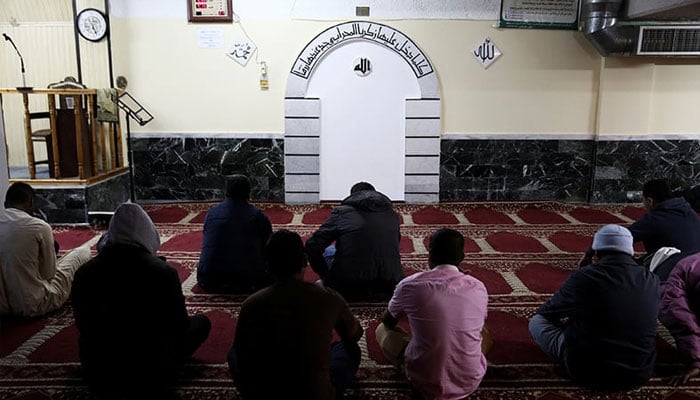
TOKYO: A dispute concerning the newly inaugurated Jamia Masjid Ramazan in Japan’s city of Kawagoe has evolved from a local administrative issue into a matter of international attention, following the participation of Pakistan’s Ambassador to Japan, Abdul Hamid, in the mosque’s opening ceremony.
The controversy attracted significant coverage from Japanese, Indian, and Israeli media outlets, while social media platforms have been flooded with competing narratives, claims, and commentary regarding the case.
According to reports, the inaugural ceremony of Jamia Masjid Ramazan was held in April this year, with Ambassador Abdul Hamid attending as a special guest. However, the issue gained momentum after Kawagoe Mayor Hatsui Morita stated during a press conference that the mosque had allegedly been constructed within an Urban Development Control Area without obtaining the permits required under local regulations.
Mayor Morita described the structure as an unauthorised development and said the city administration could no longer overlook the situation. She stated that the matter would be addressed through legal and administrative procedures in accordance with Japanese law.
The controversy intensified as media organisations in Japan, India, and Israel began reporting extensively on the issue. Some Indian media outlets and social media accounts reportedly used the incident to criticise Pakistan, while a number of unverified and exaggerated claims also circulated online.
In response, the Pakistani Embassy in Tokyo issued a clarification, stating that organisers of the inaugural ceremony had assured the embassy officials that all legal and administrative requirements related to the mosque’s construction had been fulfilled.
According to the embassy, Ambassador Abdul Hamid specifically sought confirmation regarding the project’s legal status before agreeing to attend the event and was informed that all applicable rules and regulations had been complied with.
The embassy further noted that information that emerged later suggested certain legal requirements may not have been fully completed. It reiterated that Pakistan’s diplomatic mission consistently advises Pakistani nationals residing in Japan to strictly adhere to local laws and regulations and does not support any initiative that conflicts with Japanese legislation.
The dispute has generated concern within the Pakistani community in Japan and has also drawn Pakistan’s diplomatic activities into an unexpected international debate, highlighting the broader sensitivities surrounding religious infrastructure, local governance, and public perception in an increasingly interconnected media environment.