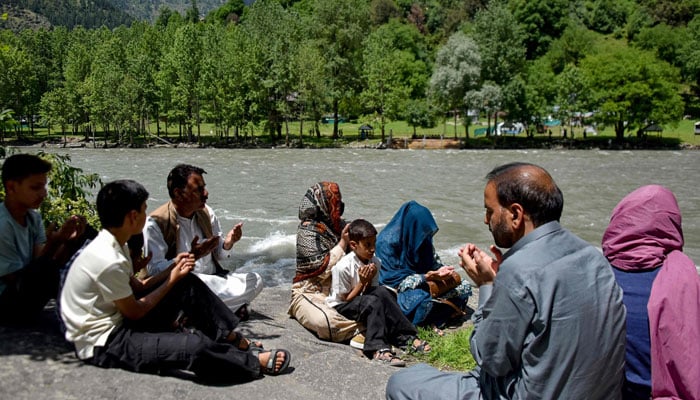
KERAN: Kashmir resident Raja Basharat can see his brother´s grave on the opposite bank of a river that divides the disputed region, but visiting it — a holiday tradition for Eidul Azha — is impossible.
“Eid is a festival of joy and celebration, but for us it has become a symbol of grief, sorrow and helplessness,” said Basharat, who lives in Azad Jammu and Kashmir (AJK).
Gazing across the waterway that marks the de facto border, he recalled the death of his elder brother Raja Liaqat on the illegally-occupied Indian side in April.
He said that his brother´s funeral was moved from Srinagar to Keran, his village, which is split by the the Line of Control.
“The scene is still vivid in front of my eyes,” he said.
Instead of visiting the grave just metres away on Eidal Azha, which in Pakistan ended on Thursday, all he could was look at it from a distance.
“Sometimes I feel like jumping into this river,” he said.
“If we could not live together in this world, then perhaps we could at least rest together after death.”
Over the decades, weddings, funerals and family celebrations have often taken place without the presence of close relatives who live only a short distance away.
“This river is visible to everyone today, but in reality it has not only divided two countries — it has torn families apart as well,” said Laiba Raja, Raja Liaqat´s niece.
“On Eid, people visit their loved ones and celebrate with family, but where are we supposed to go?”
For years families separated by the frontier would gather along opposite banks of the river to wave, exchange greetings and catch brief glimpses of relatives.
But heightened tensions between the two countries and increased security measures have caused these informal face-to-face meetings to largely disappear.
According to Uzair Ahmed, the leader of a Kashmiri refugee organisation based in AJK, around 48,000 refugees currently live in camps and cities across Pakistan.
Many continue to hold on to slim hopes that one day they would be able to reunite with relatives across the divide.
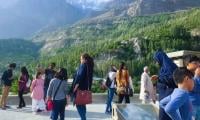
As evening falls over Keran, the mountains cast long shadows across the river that separates the two sides, while children played near the water and soldiers kept watch from distant posts.
On clear days, residents can still see houses on the opposite bank.
“Our elders passed away waiting for that day” when they could embrace loved ones, pray together or bid a final farewell to those who passed away, Ahmed said.“Now a new generation is growing up with the same hope.”